

50 Words or Less
The LAB Golf LINK.2.1 putter is unlike any other LAB putter. Traditional look. Heavier feel. Still makes it very easy to hit your start line.
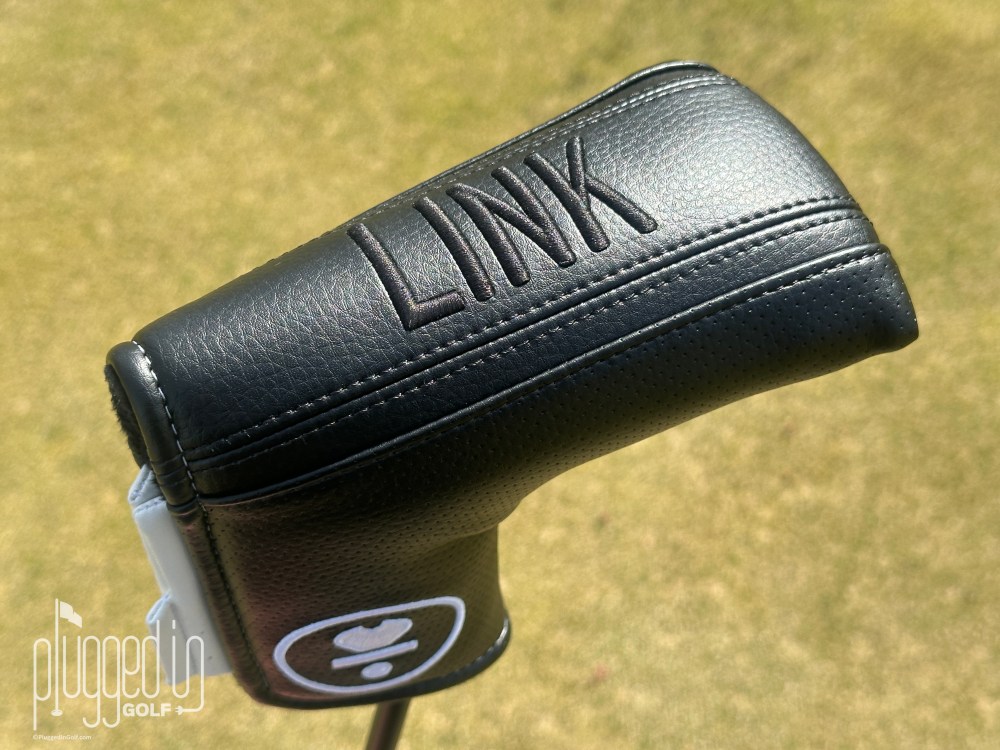
Introduction
Last year, LAB Golf offered golfers something entirely new: their first heel-shafted, lie angle balanced putter, the OZ.1i HS [review HERE]. Pairing this more conventional look and feel with their signature technology was a hit – that putter spent the last couple months of the golf season in my bag.
New for 2026 is the LAB Golf LINK.2.1. LINK is LAB’s blade-style putter, similar to an Anser, and the LINK.2.1 pairs this traditional shape with a traditional heel shafted design. Is this the putter that will convince some of the remaining zero torque skeptics to give it a try?
Looks
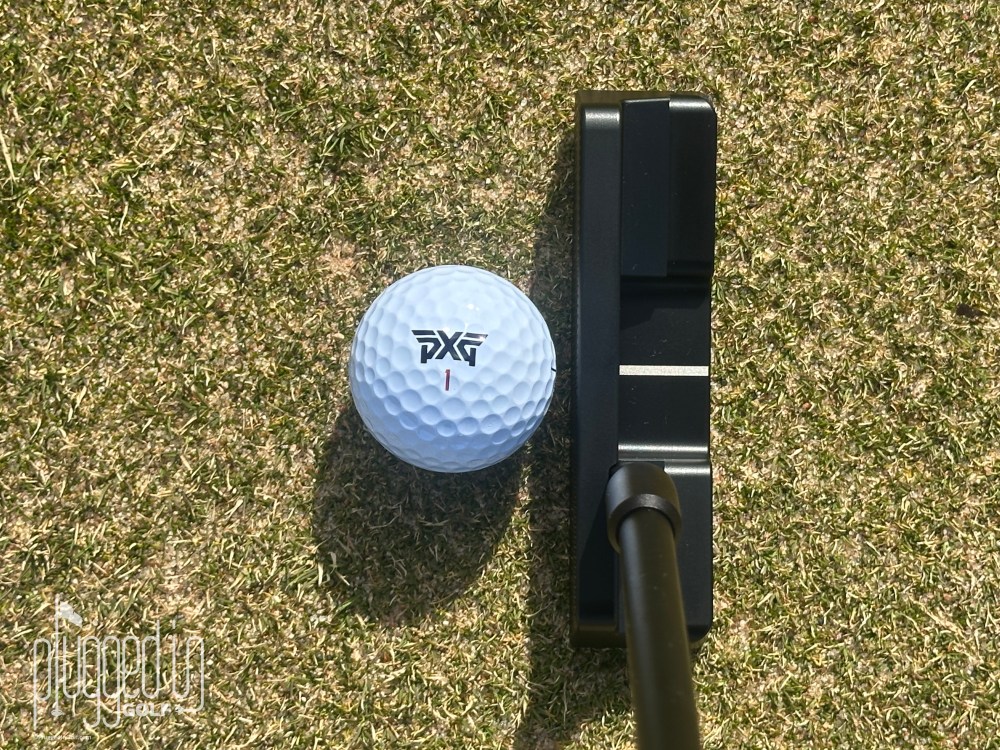
The LAB LINK.1 [review HERE] opened up the possibility of zero torque putting to those who refused to play a mallet. That was a big jump forward, but no one would call the LINK.1 a beauty. The LAB Golf LINK.2.1 is a big improvement when it comes to the look. [See Price / Buy]
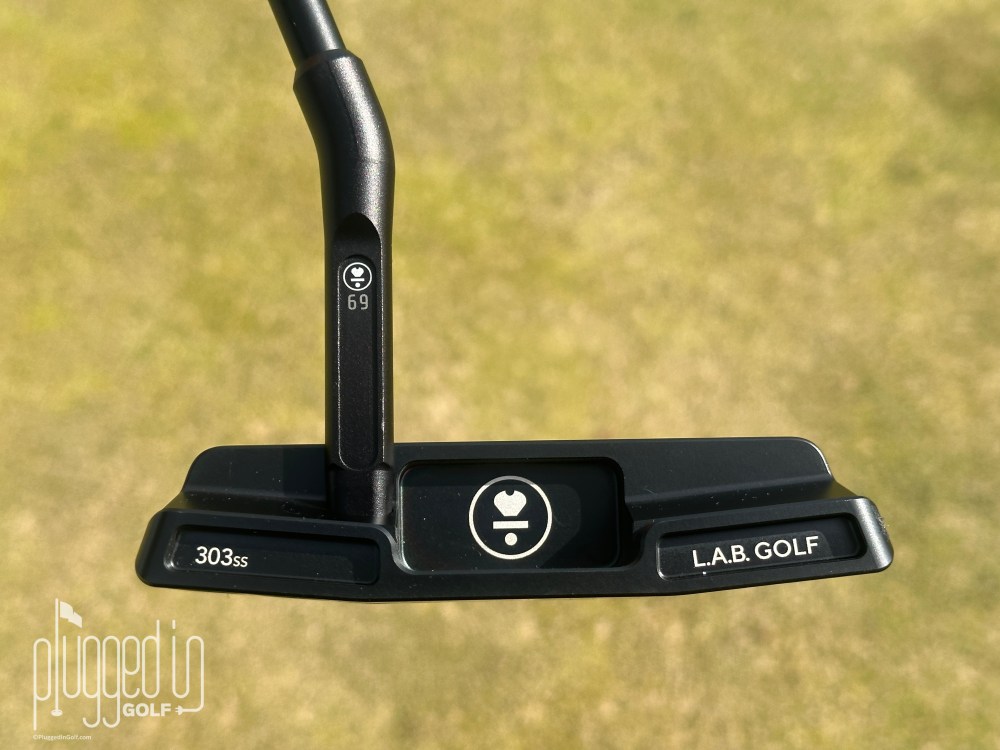
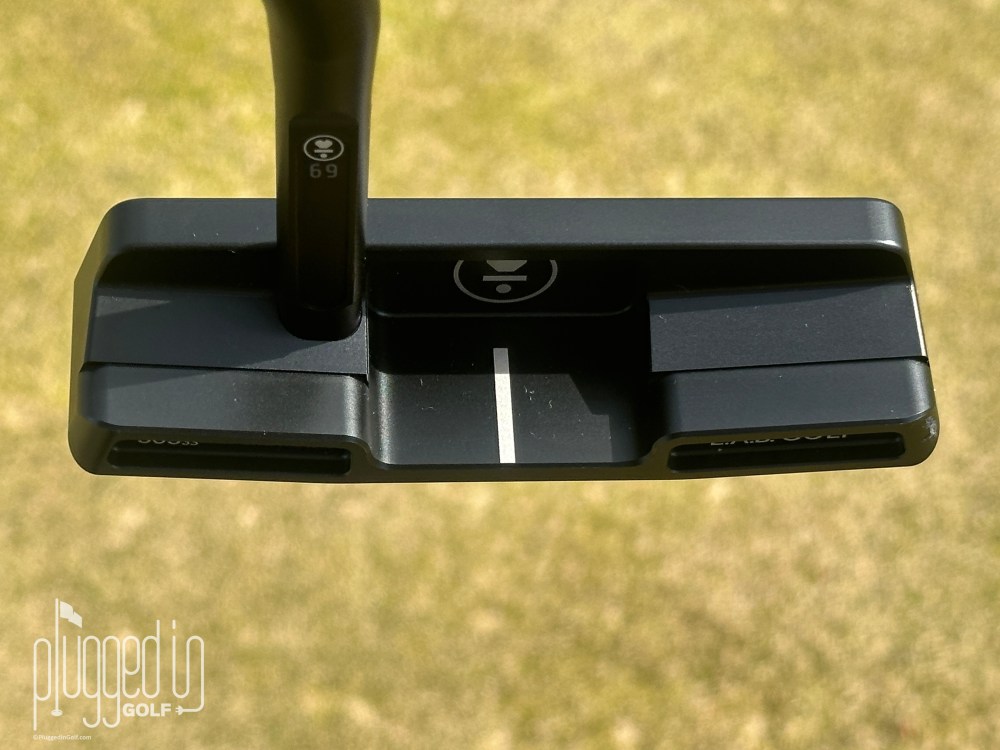
At address, the biggest change is that there are no visible weights. The LINK.2.1 looks like a traditional Anser, save for the position of the plumbers neck. And speaking of the neck, that’s been improved dramatically too. On the LINK.1, the neck being bolted into the cavity looked unfinished. With the LINK.2.1, the neck is set back from the leading edge and further from the heel, but it’s a visually clean connection. One other interesting detail is that the cavity is very narrow, about 1/2″ shorter than some other Ansers.
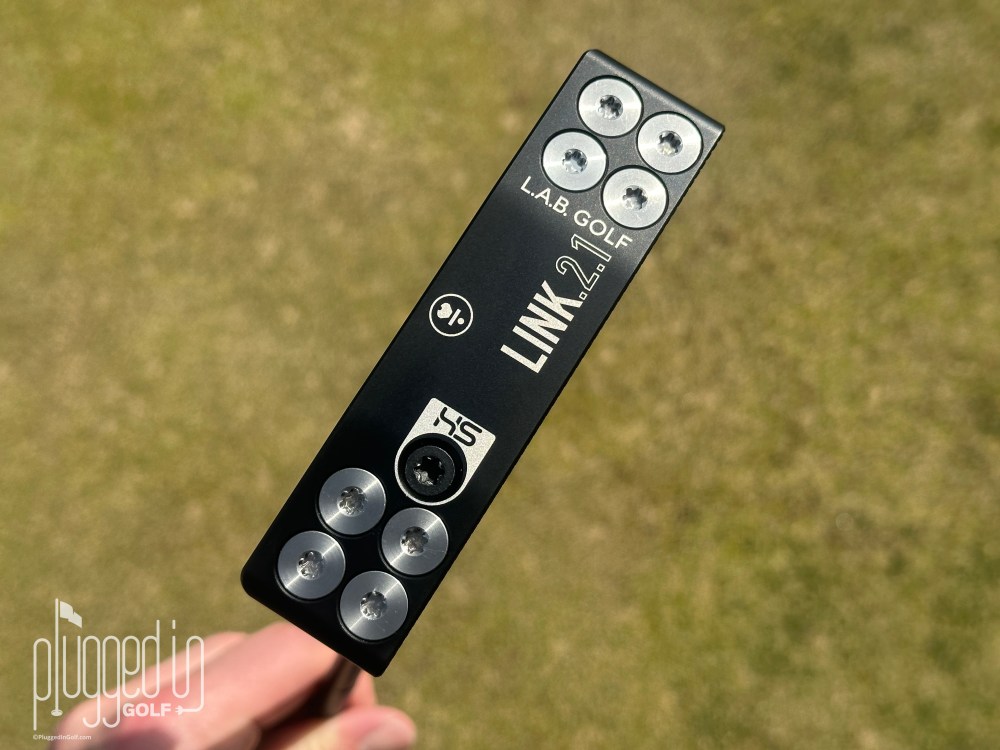
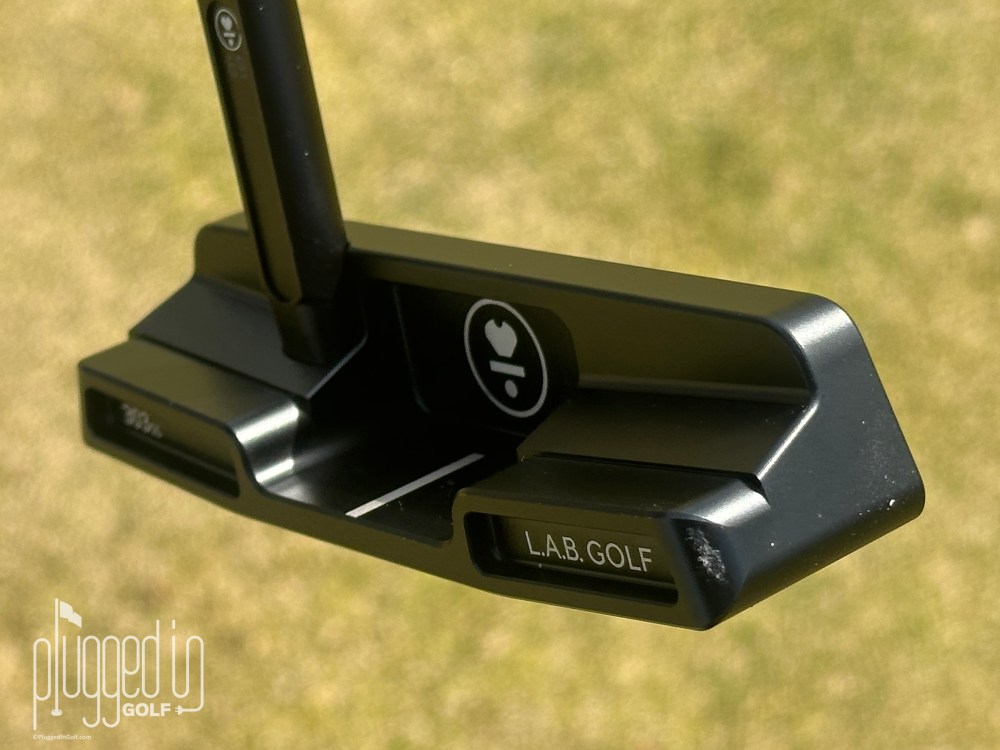
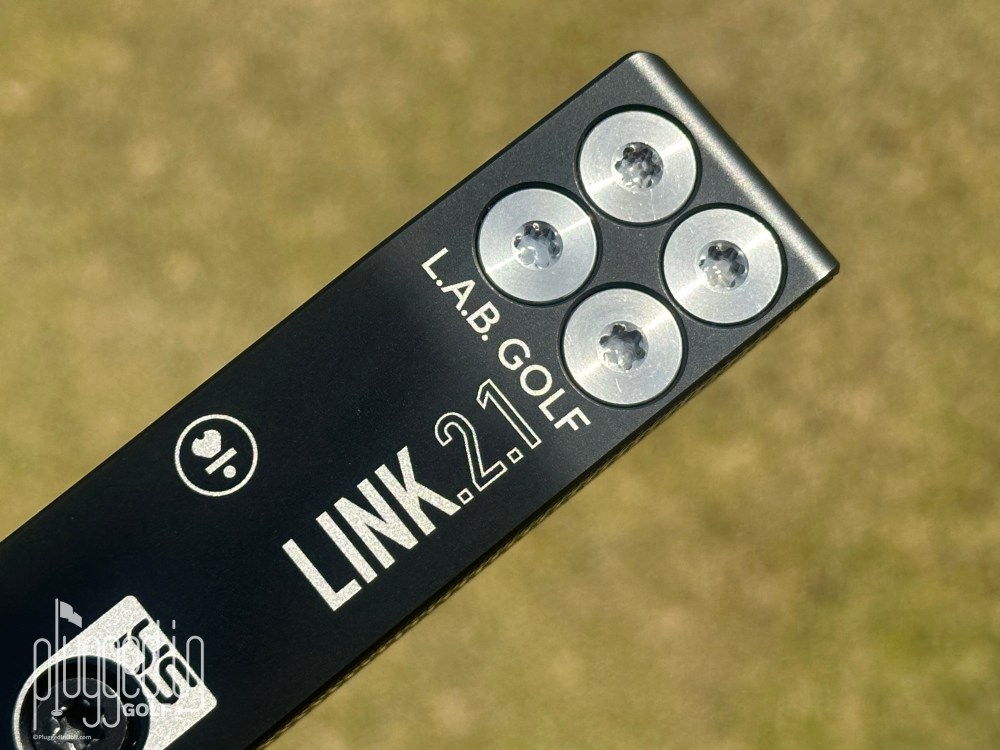
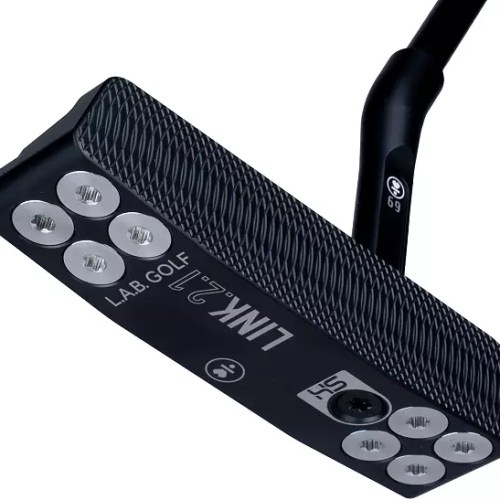
The sole of the LAB Golf LINK.2.1 is covered in weights, as you’d expect from a LAB putter. Etched branding fills the middle of the sole between the two banks of weights.
As we’ve come to expect from LAB Golf, there are a number of customization options available for the LINK.2.1 putter. There’s just one finish (for now) – a sharp, black PVD – but you can choose from fifteen front alignment marks and eight rear alignment marks. There is a cost to accessing these custom looks: the stock version of the LINK.2.1 is $499, customs start at $599.
Finally, LAB Golf is also offering a LINK.2.2 which is longer from front to back and shorter from heel to toe. Find a full review of the LINK.2.2 HERE
Sound & Feel
This putter is 100% CNC milled from 303 stainless steel, giving it a feel that’s distinct from all the LAB mallets I’ve used before. On perfectly struck putts, the LAB Golf LINK.2.1 feels sensational. Despite its weight, the feel of impact is very soft – a firm hand gently guiding the ball on its way. Mishits firm up substantially – I’d say 3 points on a 10 point scale.
The soft feel is enhanced with the sound, a dull, muffled “tock.” In addition to mishits feeling firmer, they produce a different sound – more “click.”
My one complaint about the LAB Golf LINK.2.1 is that the feedback is a bit nebulous. There is a clear difference between perfect strikes and everything else, but differentiating among the misses can be difficult.
Performance
In the last few years, I’ve spent a lot of time with LAB Golf putters. I’ve reviewed every new model, and one LAB or another has been in my bag the majority of the time. Among those putters, there are a lot of similarities. The LAB Golf LINK.2.1, however, is totally unique in the company’s lineup. From the look to the feel to the performance, this putter stands apart from its brethren. [See Price / Buy]
The first obvious difference (aside from the look) is the feeling of weight. Compared to other Anser-style putters, the LAB Golf LINK.2.1 feels very heavy. This was surprising to me given that we’ve found zero torque putters tend to feel lighter than their swing weight [more on that HERE]. That said, with a swing weight of D9, the LINK.2.1 is hefty. Also surprising: the LINK.2.1 feels way heavier than other LABs. I swung it side-by-side with the LAB Golf DF3i [review HERE]. Despite being much larger, the DF3i felt like a feather, the LINK.2.1 like a hammer.
While I don’t typically like heavy-feeling putters, I found the LAB Golf LINK.2.1 very helpful with distance control. Regular readers may recall that long distance putting is the one area where I struggle with zero torque putters, in part because they feel so light. With the LINK.2.1, I didn’t feel like I had to hammer the ball to get it to the hole.
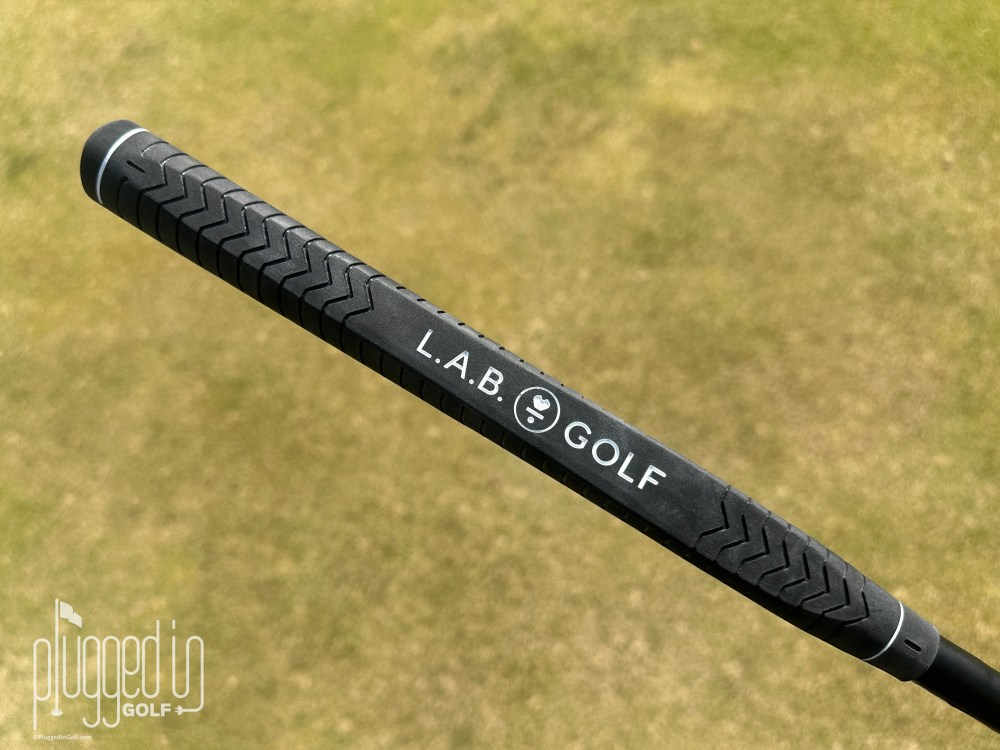
Another big difference is the grip. A major part of LAB Golf’s story is their Press grip which negates the forward shaft lean inherent in most of their designs. The LINK.2.1 uses conventional putter grips, and this created a significant level of dissonance in my brain. When I put my hands on a Press grip, I know instinctively to use my zero torque “thumbs up” technique. The Lamkin Deep Etched grip, along with the look of the LINK.2.1, tells me to use my “normal” putting technique. This could be part of why I had better distance control with the LINK.2.1, but it also felt weird.
I’m sure that I could adjust, given more time – there’s nothing inherently bad about this set up – it was unusual. It was like walking into a Mexican restaurant and being served your favorite hamburger. I expect for someone who hasn’t spent as much time with LAB Golf putters, this whole thing would be a non-issue.
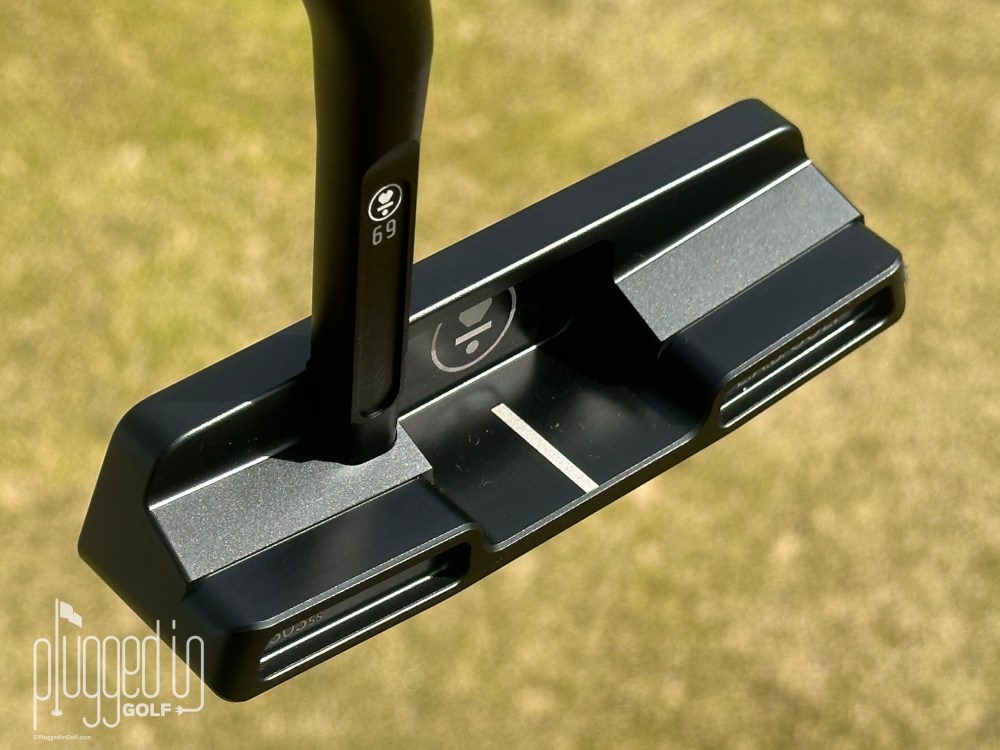
Turning to forgiveness, the LAB Golf LINK.2.1 is a bit more tolerant of mishits than most other Anser-style putters. This is surely due to the heavier head and the weight packed into the heel and toe. If we compare the LINK.2.1 to its LAB brothers, however, it’s in a losing battle. The DF3 [review HERE] is one of the most forgiving putters in golf, and the OZ and MEZZ.MAX aren’t slouches either. You can get away with small misses with the LINK.2.1, but you don’t want to regularly explore the edges of the face.
As for the signature benefit of all LAB Golf putters – the ability to hit your start lines more easily – the LAB Golf LINK.2.1 delivers as expected. In my first testing session, I was hitting a lot of pulls as I adjusted to the grip, but they were the most repeatable pulls I’ve ever seen. I was concerned about grooving a rut in my putting mat. After adjusting to the conventional grip, I found the LINK.2.1 as trustworthy as my other LABs for consistently starting the ball on its intended path.
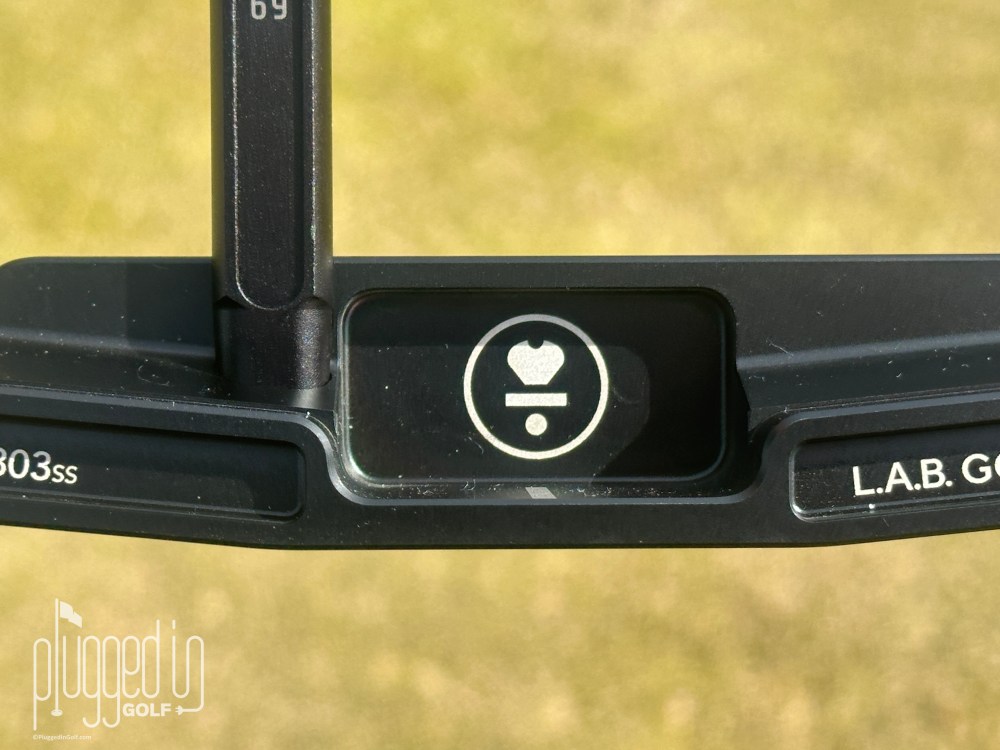
Finally, the LAB Golf LINK.2.1 is offered stock and custom, with base prices of $499 and $599, respectively. Going custom allows you to pick your alignment aid, lie angle, shaft length, and head weight. Custom grip options include Lamkin Deep Etched, rubber and cord pistol grips, LAB’s Pistol 0, the Garsen Quad Tour [review HERE], and a trio of Super Stroke grips – Tour 2.0, Flatso 2.0, Pistol 1.0. Finally, there are five shafts options: steel (the stock option, what I used for this review), ACCRA ($100 upcharge), GEARS ($175), Diamana ($250), and TPT ($399).
Conclusion
If you’ve tried LAB Golf putters in the past and hated them, you need to try the LAB Golf LINK.2.1. This is the most un-LAB Golf LAB Golf putter I can imagine.
If you love LAB Golf putters, you should still try the LINK.2.1. Pairing lie angle balancing with a traditional look and grip might unlock an even higher level of performance on the greens. [See Price / Buy]
A compact blade design with a slimmer footprint, offering a classic, traditional appearance while maintaining L.A.B. stability and performance.

He founded Plugged In Golf in 2013 with the goal of helping all golfers play better and enjoy the game more.
Matt lives in the northwest suburbs of Chicago with his wife and two daughters.
- Foresight GC2 Launch Monitor Review - October 20, 2026
- Aldila Rogue ∞ CB Shaft Review - October 20, 2026
- Macro Golf SquareStroke Shaft-Handle Review - October 19, 2026






Join the Conversation | 27 Comments
Hey Matt,
When you say you were getting repeatable pulls but you made adjustments to fix it, what did you do? Ball back a bit in stance? Something else? I don’t mean to make this a putting lesson, but I’m curious give that it was likely related to the different grip than other LAB putters. Thanks!
Sean,
There was no hard, measurable adjustment, just spending a little more time with it, getting a sense of how it swung. If I had to put it into words, I think it was striking a balance between the total “let go” swing of the DF3 and my conventional putting stroke, though weighted heavily toward “let go.”
Best,
Matt
Please review the Link.2.2.
Thanks. Your reviews are consistently excellent.
Thanks, Brian! Much appreciated.
We will reach out about the LINK2.2.
-Matt
We need to see the 2.2 review!! (I do, at least)
I have a Link 2.2 incoming with Diamana shaft. Can’t wait! Others opinions on them would be much appreciated.
Good to see you guys review the L2.1. I’d love to see a review of the L2.2 if possible. Keep up the good work!
I would also love to see the 2.2 review! Would be interesting how the 2 stack up. Great stuff as always Matt!
How does this new heel shafted blade compare to the OZ.1i HS?
James,
I have a full review of the OZ.1i HS here: https://pluggedingolf.com/l-a-b-golf-oz-1i-hs-putter-review/
-Matt
Compare it to a Cure blade putter.
Brenda,
I’ve only reviewed one Cure putter, and that was 6 years ago: https://pluggedingolf.com/cure-putters-rx3-review/
I’d be happy to take a look at their newer offerings.
Best,
Matt
What’s this thumbs up technique mention?
Brian,
I give a bit more explanation here: https://pluggedingolf.com/zero-torque-putters-explained/
I’ve had a thought about writing a whole lesson on it. Let me know if that’s of interest to you.
Best,
Matt
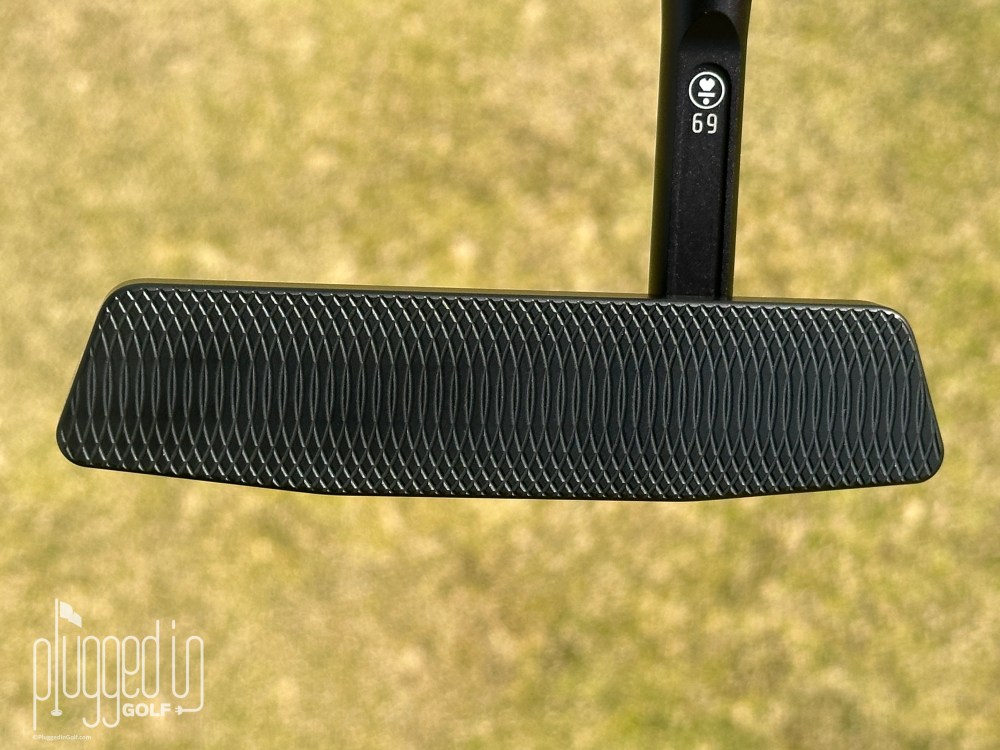
What is the “69” designation on the hosel for? Lie angle?
Doug,
I believe so, yes. I assume that when you order a custom, they have different numbered hosels for different lie angles.
Best,
Matt
Exactly – lie angle. The hosel – what LAB calls a riser – is longer for more upright lie angles and shorter for flatter lie angles so LAB slapped the lie angle on the riser/hosel for their operational purposes during manufacturing (or future alteration) and, personally, I think it’s a good thing for the player as well (if a player is fit like they should be for a lie-angle balanced putter, then it helps them remember years down the road what their lie angle is or, at least, was when they were last fit).
Interesting comments from you about long distance or lag putting challenges with some LAB or perhaps “zero torque” putters, Matt. I, too, had that challenge with my first LAB (OZ) putter. To me, it felt really heavy and I could never get the ball to the hole on long putts, especially uphill putts. Downhill putts were also challenging, so I finally gave up on it in favor of a TM Zero Torque putter. As always with putting, the beauty is in the eye of the beholder, but unlike you, my biggest challenge was trying to adjust to how heavy the LABs felt….not how light.
Matt, please hit us with a full review of the LINK.2.2. A direct comparison of the LINK.2.2 to the LINK.1 when it comes to feel off the face (firmer? softer?) and overall performance would be great. Toward that, how did the LINK.2.1 stack up to the LINK.1?
Ian,
All of the comments worked, there’s a LINK.2.2 inbound now!
I didn’t review the LINK.1, so I can’t speak to that.
Best,
Matt
I tried to putt with the Link 1,1 a few times at PGATSS, didn’t really care for it. Didn’t like the look and it seemed like nothing special. Then again I felt the same about the DF models as well.
Stellar and youdaman, Matt!
Would love a full review of the Link 2.2. It would be interesting to hear how this compares or contrasts with other putters in the similar space of a mid-blade or even say a mid-mallet. Or if this creates its own new category in the putter space. Thank you as always for the full detailed and honest reviews of the latest and greatest in the golf world.
Can you provide feedback for the 2.1 (and 2.2) versus the DF3?
Thanks!
Mark,
I have a full review of the DF3i here: https://pluggedingolf.com/lab-golf-df3i-putter-review/
Best,
Matt
Matt, does impact feel noticeably more soft for you with the LINK.2.1 than it did with the OZ insert models (OZ.1i/OZ.1iHS)? If so, any sense of how much of that difference may be attributable to the firm GEARS shaft in the OZ insert models versus the stock steel (True Temper X100 significantly tipped) in the LINK.2.1?
Ian,
I just hit the LINK.2.1 side by side with my OZ.1i HS. Same shaft but different grips. I think the LINK.2.1 is meaningfully softer in a head to head test. On the course…not night and day.
Best,
Matt