
The Best Irons of 2026
Earlier this season, we gave you an overview of the 2026 drivers with our friends at Club Champion [check it out HERE]. Today, we’re back with a similar look at this year’s irons. From players irons to super game improvement, top sellers to under the radar winners, we’ve got it all covered.
What Are the Biggest Trends in Irons in 2026?
In Nick’s words, “The biggest trend in irons for 2026 isn’t necessarily a single breakthrough technology – it’s the continued push to deliver more forgiveness, more speed, and more consistency in increasingly cleaner, more player-friendly packages.” This isn’t new for 2026: I’ve been saying for the last several years that the biggest winners in iron technology are better players because they’re getting the same great looks with huge jumps in forgiveness.
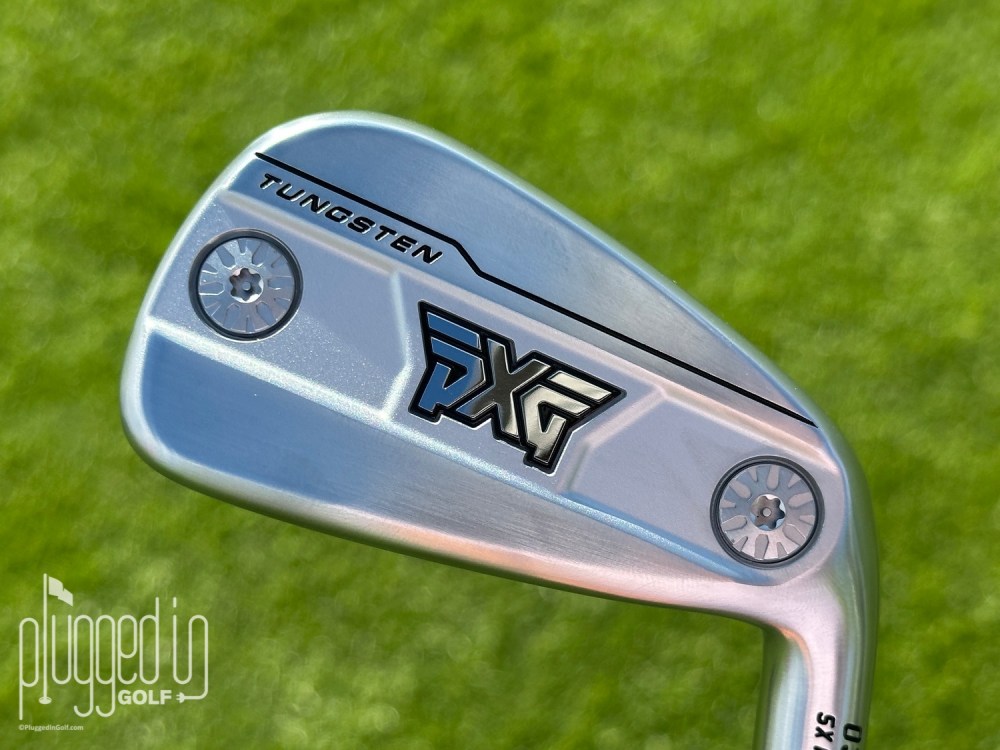
This is being achieved in different ways. Some brands are using 3D printing to position weight in more precise, effective ways. Others are pairing hollow body designs with advanced polymers to create more – and more consistent – ball speed. We’re also seeing more companies differentiate between each individual iron, effectively making every iron set a combo set.
The other big trend is the use of AI. Virtually every OEM is using AI to design their faces to optimize ball speed, launch, and spin across a larger area. This is another way that club designers are differentiating between irons: the best face design for a pitching wedge is going to be different than the best face design for a 5 iron.
Top Sellers in 2026
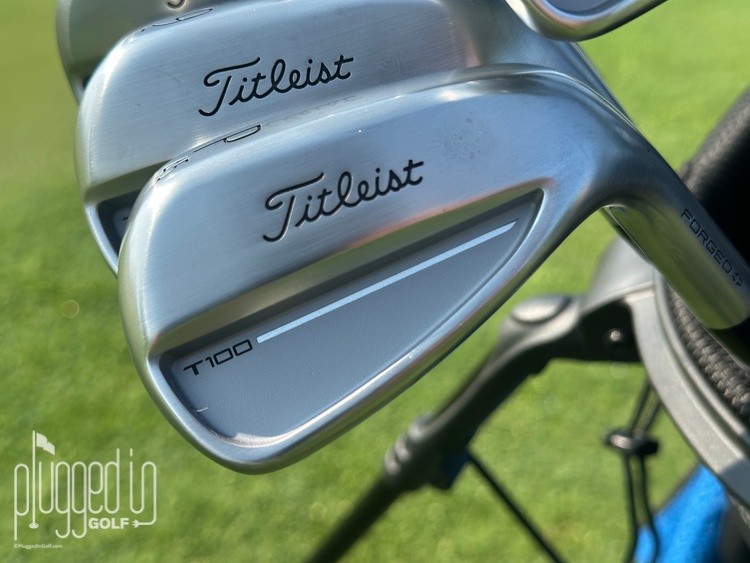
Nick noted at least one model in each category that stands out as being a top seller. In the players category, he pointed to the Titleist T100 [review HERE]. This is no surprise to me: it’s the top iron on the PGA Tour because of the way it blends a small, beautiful shape with surprisingly high levels of forgiveness. Nick also called out the Srixon ZXi7 [review HERE]. While I knew this iron was a high performer, it was surprising – in a good way – to see so many golfers choosing it. This points to the value of club fitting: golfers are finding and buying the iron that performs best, not just choosing the biggest name.
In the players distance category, the TaylorMade P790 [review HERE] continues to dominate. It’s still one of the longest irons in the game, it’s easy to hit, and it looks great. TaylorMade has steadily improved this model over the generations without losing the key ingredients that make it special. Two other models that Nick called out in this category are the Titleist T150 [review HERE] – the stronger lofted version of the T100 – and the Cobra 3D Printed irons which have generated a lot of buzz in spite of their large price tag.
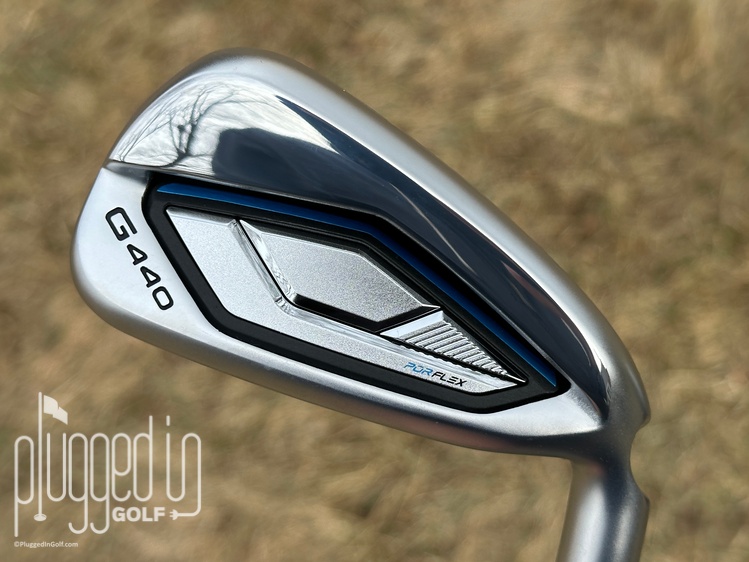
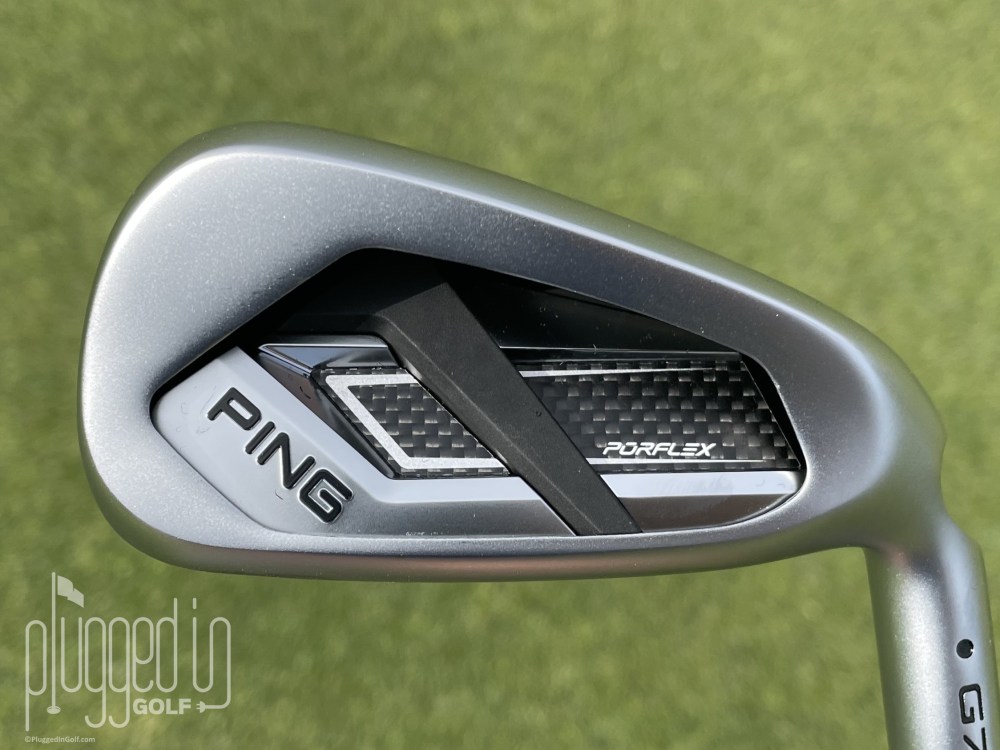
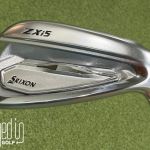
Turning to game improvement, Nick mentioned some of the names that I expected: the PING G440 [review HERE], the Srixon ZXi5 [review HERE], and the TaylorMade Qi [review HERE]. For me, the PING G440 is probably the easiest-to-hit iron in golf, and it comes in at a shockingly compact size. The ZXi5 delivers strong forgiveness with classic looks, and the TaylorMade Qi is an easy choice for golfers fighting a slice.
Finally, in super game improvement irons Nick pointed to four models that stood out in sales. First is the TaylorMade Qi Max [review HERE]. Billed as the company’s “most complete game improvement iron ever,” they deliver when it comes to forgiveness and ease of use. The PING G740 [review HERE] pushes distance and forgiveness to even higher levels than the G440. Mizuno’s JPX925 Hot Metal HL [review HERE] is part of a trend-setting line that is pushing SGI irons toward weaker lofts to promote higher ball flight and more sensible distance gaps between clubs. Finally, the Callaway Quantum Max OS irons [review HERE] do what Callaway irons do best: offer players greater ease of use.

What Are the Best Irons of 2026?
Calling out the top sellers is easy and objective. Naming the best is, if not trickier, a more subjective affair. Here are Nick’s picks for the best of 2026.
Starting off with one that’s sure to be controversial, Nick chose the TaylorMade P790 as his favorite players iron. He said, “It delivers the clean, confidence-inspiring look better players want while providing the ball speed, forgiveness, and consistency most golfers need.” If I were making this list, I’d have the P790 as a contender for best players distance iron, but I’m just the scribe.
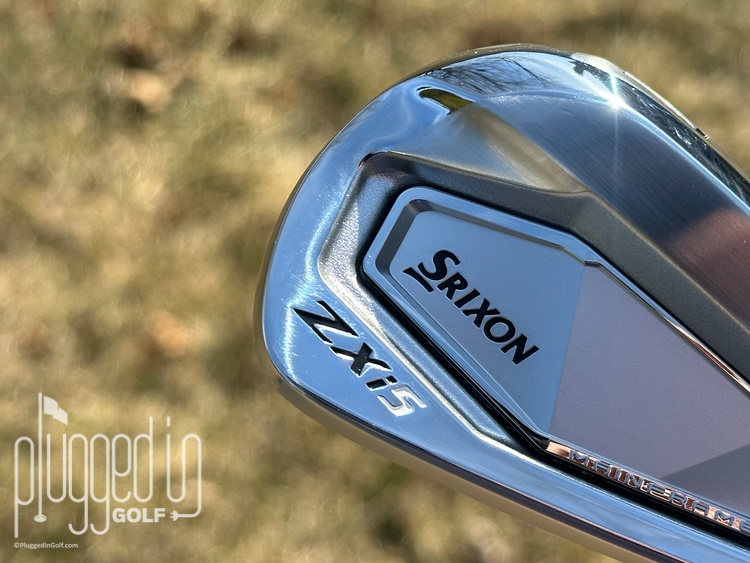
Moving to the players distance category, Nick selected the Srixon ZXi5 as his favorite. Calling it “one of the most complete irons on the market today,” Nick cited the exceptional turf interaction and premium looks as some of his favorite features. Again, Nick and I fail to agree on category – I’d call this a game improvement iron – but that’s part of what makes this exercise interesting.
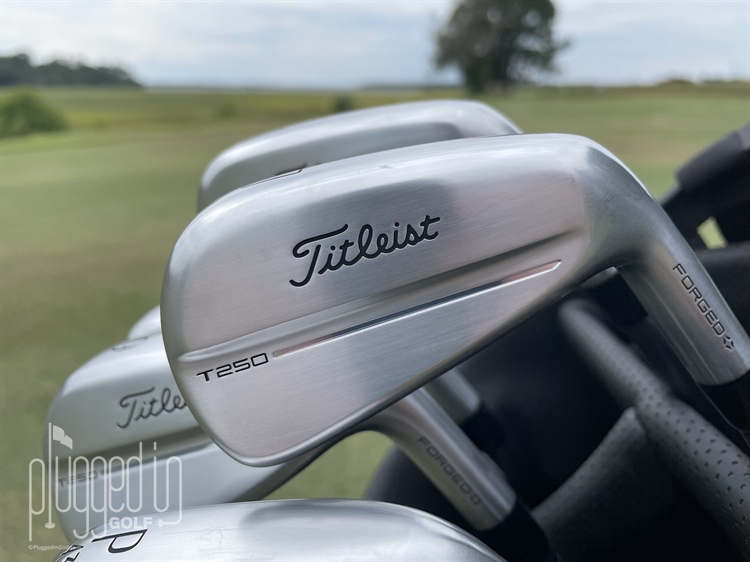
In the game improvement category, Nick and I found common ground. He selected the Titleist T250 as maybe the “best blend of distance, forgiveness, looks, and feel that Titleist has ever produced.” High praise, indeed, as the company’s catalog is full of great irons.
Finally, in the super game improvement category, Nick selected the top selling Mizuno JPX 925 Hot Metal HL as his favorite. He noted that Mizuno didn’t “sacrifice appearance and feel in pursuit of forgiveness.” I like this choice for the aforementioned weaker lofts that produce shots with more height, more carry distance, and more playable landing angles.
What Irons Are Flying Under the Radar?
Despite being top sellers and some of his favorite, the first two “under the radar” irons that Nick mentioned were the Srixon ZXi7 and ZXi5. This is because, in his words, “It’s amazing how many golfers still don’t realize they make some of the best irons in the industry.” Golfers are impressed with them when they try them in a fitting, but very few come in asking to hit them.
Nick also pointed to the Cobra 3D Printed irons. This is an interesting choice because it shows the divide between gear nerds and the broader golfing public. Among the nerds, this iron gets talked about constantly. The average golfer, however, hasn’t even heard of it. Nick also put down a marker on these irons because he believes that 3D printing is going to be a huge part of golf’s future.
Finally, Nick pointed to the Miura PI-402 as a great under the radar iron. As he told me Miura is traditionally viewed as “exclusively for elite ball strikers. The PI-402 changes that.” He thinks it delivers everything that golfers love about Miura in a package that everyday golfers can actually play.
What Is the State of “Loft Jacking”?
“Loft jacking” refers to making the lofts of irons stronger, something that’s been happening for years. This is done so that OEMs can boast about having the longest 7I and “win the fitting”. You can read more on how iron lofts have “evolved” HERE.
Nick gave a great answer about where things are going, so I’m going to share it in its entirety:
“Manufacturers have realized there are limits to how far they can push lofts before they begin creating problems elsewhere in the set. At some point, stronger lofts can negatively impact launch, stopping power, gapping, and overall playability. Golf club companies know golfers are smart enough to see through a 7-iron that launches like a traditional 5-iron.
Personally, I’ve never been overly concerned with the number stamped on the sole.
What matters is whether the club produces the right combination of launch, spin, peak height, descent angle, and carry distance to help a golfer score better. If a modern 7-iron is 28 degrees instead of 34 degrees but produces the proper trajectory, stopping power, and distance gapping, then the number on the bottom becomes largely irrelevant.
What we’re seeing today is a more sophisticated approach. Rather than simply making every iron stronger, manufacturers are using advanced face technologies, hollow-body constructions, AI-designed faces, tungsten weighting, and improved CG placement to create speed while still maintaining playable launch conditions.
The goal has shifted from “How can we make this iron go farther?” to “How can we make this iron go farther without sacrificing consistency and playability?”
That’s a much better place for the industry to be.
I don’t think lofts will continue to get dramatically stronger from here. Instead, I expect manufacturers to focus on optimizing launch conditions, improving forgiveness, and delivering more consistent distance through better engineering rather than simply reducing loft.”

He founded Plugged In Golf in 2013 with the goal of helping all golfers play better and enjoy the game more.
Matt lives in the northwest suburbs of Chicago with his wife and two daughters.
- Cobra 3DP Tour Irons Review - September 17, 2026
- Mitsubishi Diamana RB Hybrid Shaft Review - September 15, 2026
- Does PUREing Matter for Slow Swingers? – Golf Myths Unplugged - September 14, 2026




6 Comments
wheres the takomos and sub 70’s?
Those are direct to consumer irons. We have reviews of them on this site; they’ve performed very well. This is Club Champion founder Nick Sherburne’s list, so it’s not going to include brands that his company doesn’t fit or sell.
-Matt
I’m disappointed your review did not include any irons manufactured by smaller brands that are almost as good for a fraction of the price.? It would be nice to see you start to address the elephant in the room. The ever increasing cost of name brand golf clubs has priced the majority of golfers out of the new club market! Manufacturers should be called out for never ending price increases for clubs that offer minimal performance gains over prior models? Everyone does not have $3000 or more to pay for a new set of clubs that are really not that much better than last year’s model? That’s why most of us shop the used market instead of buying new.. I think emphasizing alternatives to name brand clubs that sell for way less but offer high performance would be very helpful to a large segment of your audience.
Rich,
This isn’t a review, it’s Nick Sherburne’s thoughts and opinions based on all the fittings done at Club Champion.
We have reviewed hundreds of lower priced, “alternative” clubs over our 13 years. We discuss price, fitting, and performance relative to cost routinely.
-Matt
Will you be doing a comprehensive review of New Level’s iron offerings?
Tim,
We have numerous New Level reviews on the site now. Is there a specific model you’re interested in?
-Matt