
50 Words or Less
The Takomo Ignis D1 driver is one of the best values in golf. Solid all around performance. Very low spin. Unique address look and sound. Good adjustability.
Introduction
In the last four years, Takomo has gone from complete unknown to golf industry staple. They’ve accomplished this with a combination of quality clubs, low prices, and a strong push in social media. Having built a good reputation with their irons like the 101 [review HERE], 201 [review HERE], and the 101T that Drew gamed for a time [review HERE], they’ve decided to expand into arguably the toughest category: drivers. Can the Takomo Ignis D1 driver offer the same high performance to dollar ratio as the irons? I tested one to find out.
Looks
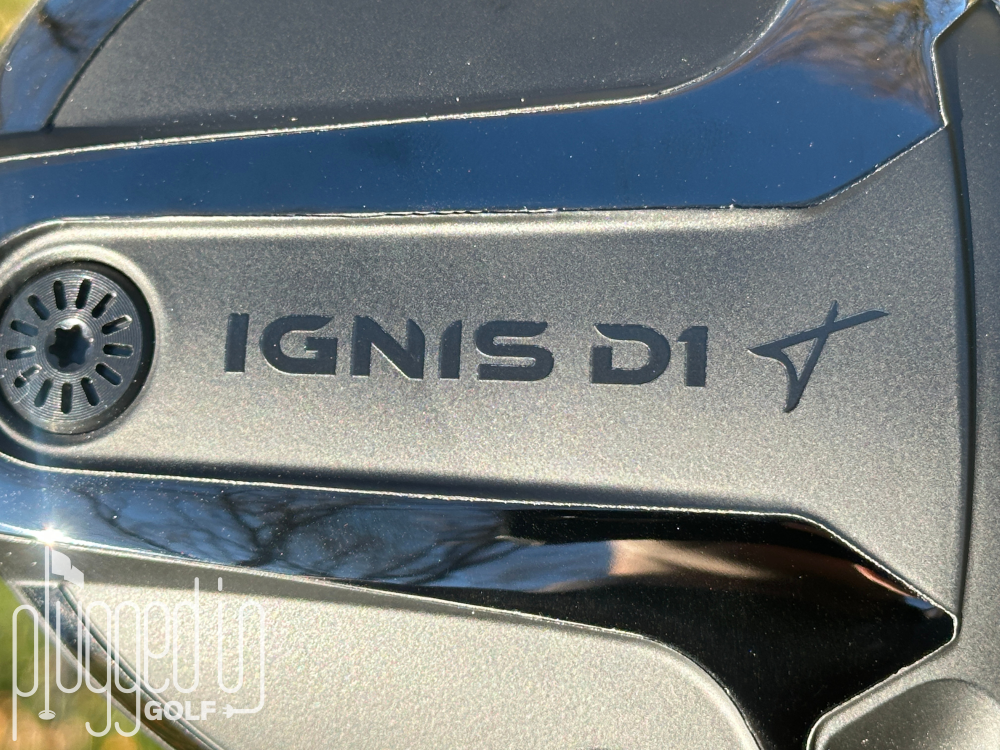
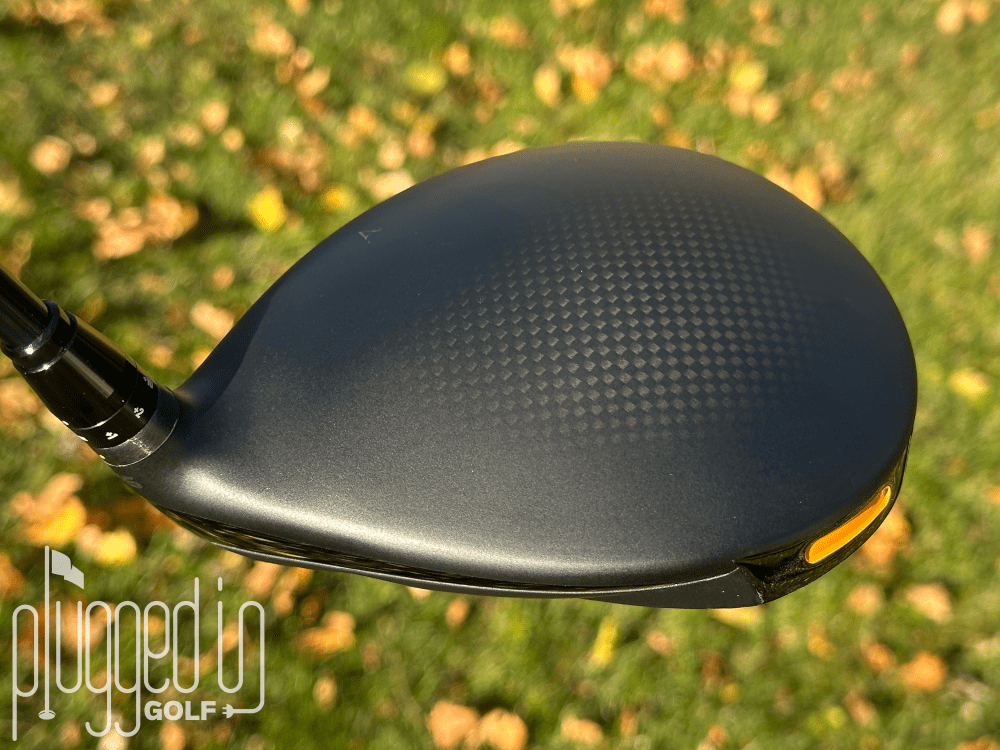
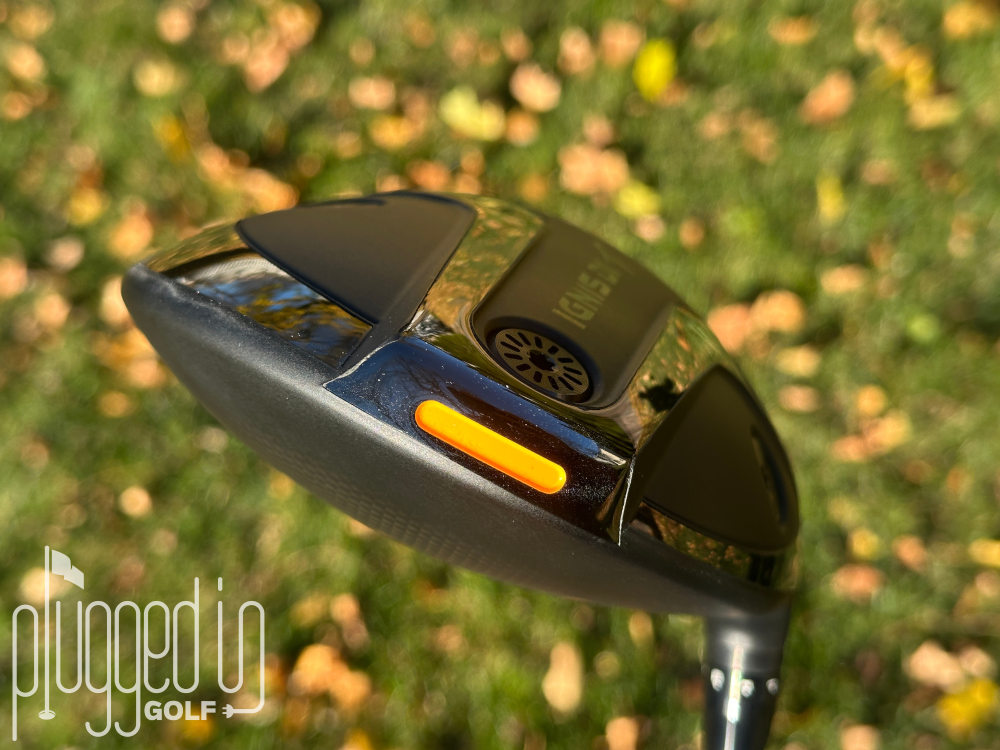
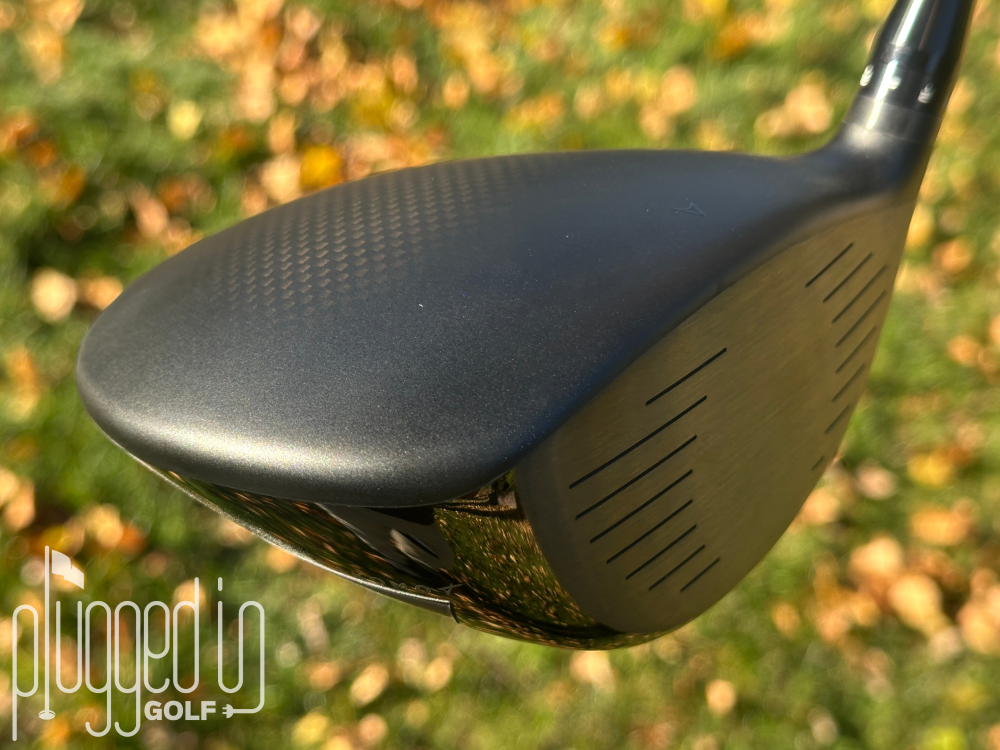
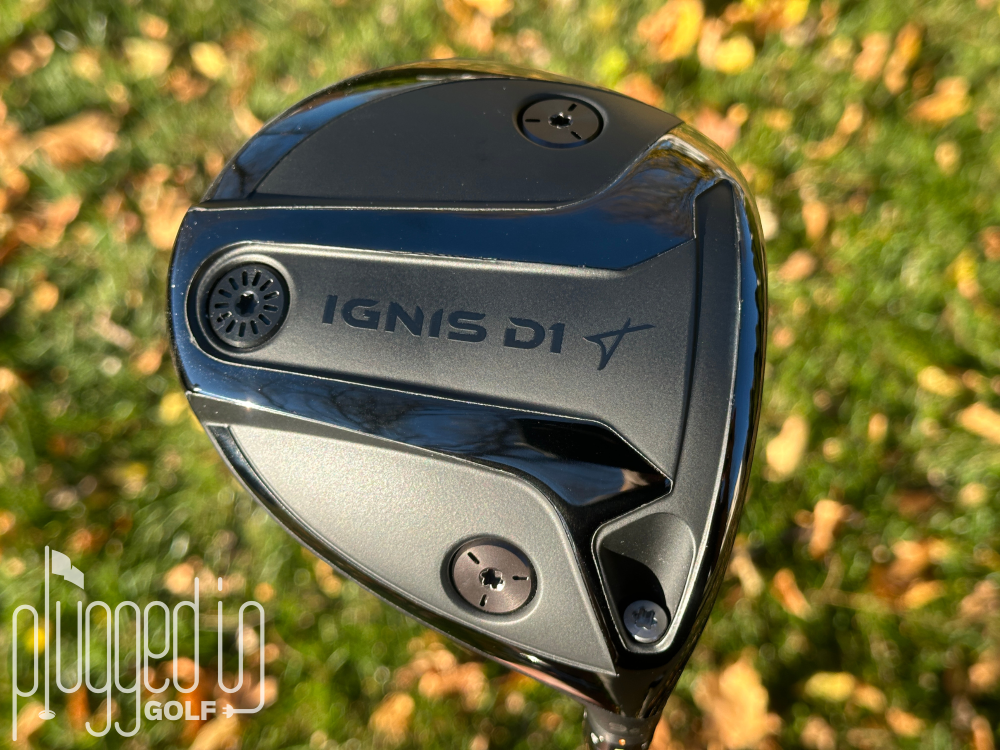
The Takomo Ignis D1 driver has all the aesthetic hallmarks of a modern driver. It’s predominantly matte black, and the crown reveals a healthy portion of carbon fiber. On the sole, “Ignis D1” branding is done in black-on-black, framed by a track of high gloss black. The only patch of color is a curious splash of yellow on the trailing edge.
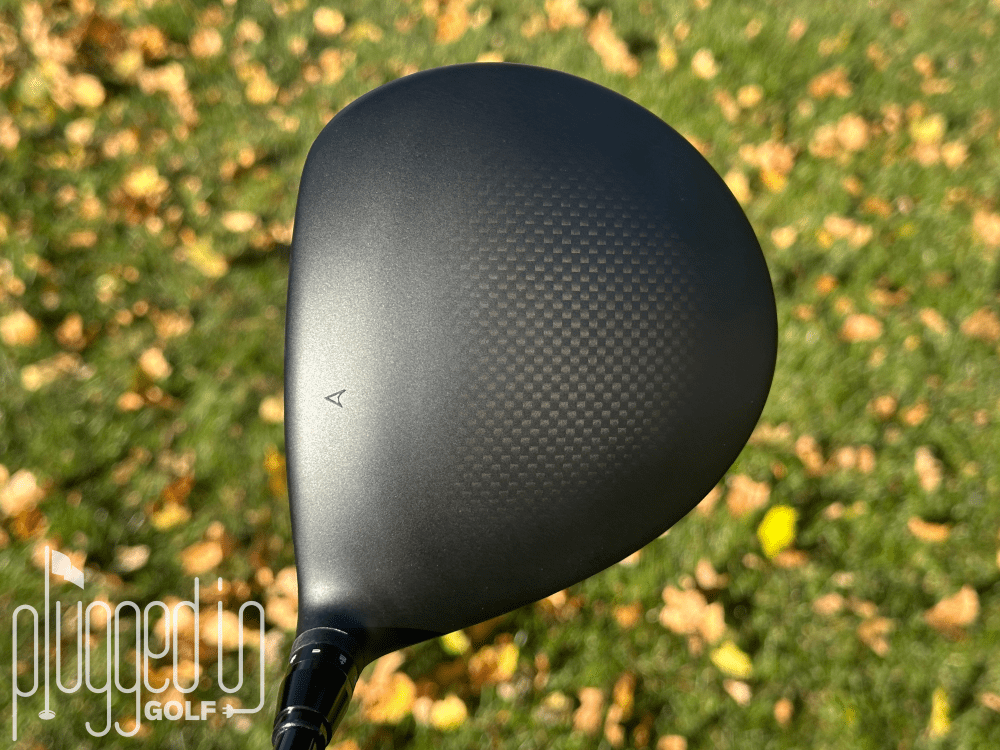
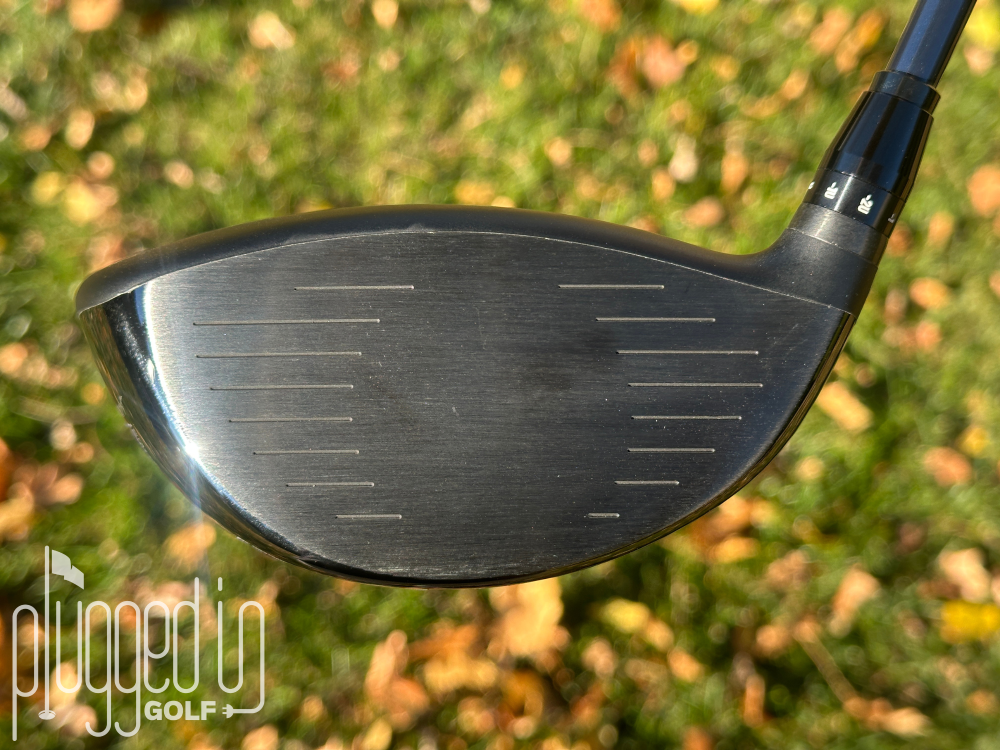
At address, the Ignis D1 has an unusual mixture of elements. Its measurements are closer to those of a players driver than a super game improvement driver, particularly the taller face. The alignment aid is decidedly toward the heel, but that side of the driver also has a strong pear shape. However, that shape isn’t carried to its normal conclusion on the toe side. It also sits a touch closed in the neutral setting. Whether or not this unique mash-up hits the sweet spot is, of course, in the eye of the beholder. For me, it’s hittable but not my favorite address look. [See Price / Buy]
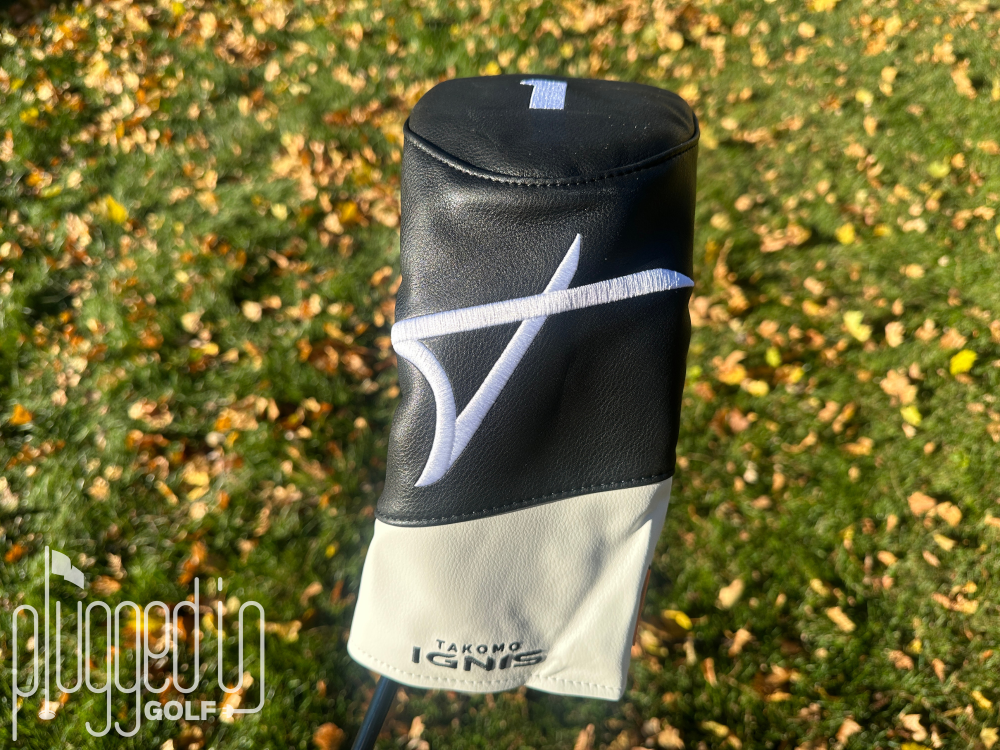
Finally, kudos to Takomo for the interesting stock headcover. It’s a combination of the barrel-style cover that Seamus popularized and the shape we see from virtually every other OEM. The function is excellent – it pulls on more easily than most – and it has a unique style. I also like the large Takomo logo, more “if you know, you know” than billboard.
Sound & Feel
I’ve spent a lot of time trying to label the sound of the Takomo Ignis D1 driver, and I’m still coming up short. The volume is average, and the tone is mid-high. The sound is undoubtedly metallic, but not in a bad way. It’s too harmonious to be a “clank,” too big to be a “pop,” too high pitched for a “thwack.” Though I can’t put a specific word on it, I’m comfortable saying that the sound is neither the best reason to play the Ignis D1 nor a reason to avoid it.
The feel is easier to pin down – it’s right in the middle of the bell curve. This is neither super thin and fast nor solid and wooden. Your hands will get a high level of feedback on strike location and will feel some twisting on poor heel and toe shots.
Performance
Since the look of the Takomo Ignis D1 driver doesn’t tell a clear story about its target audience, I turned to Takomo’s website. There I learned that this club is designed for “maximum forgiveness off the box” so that you can go “Full send. No worries.”

Based on my testing, the Ignis D1 driver doesn’t stack up with the best max forgiveness drivers, but it’s still a reliable stick. Ball speed on center is strong, and it remains fairly high as long as the contact is decent. I did notice some twisting on my worst misses, but all my C and better swings put the ball into reasonable spots. [See Price / Buy]
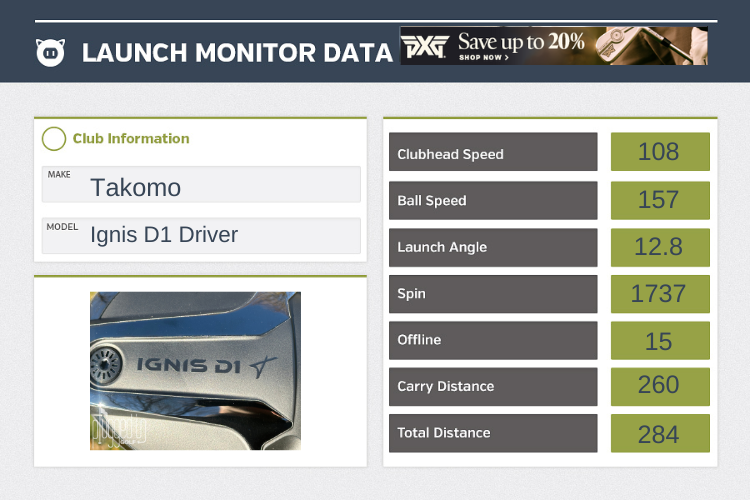
What stood out most in my launch monitor testing is how low the spin is. As a low spin player, hitting the Takomo Ignis D1 driver off a high tee produced unplayable knuckle balls. Bringing the tee down, I got more reasonable numbers, but it was still low spin with medium launch. The “low CG” that Takomo touts could be very good for high spin players, but it can also lead to highly variable spin numbers if you hit it high and low on the face.
Find elite consistency with the Takomo Ignis D2 fairway wood HERE
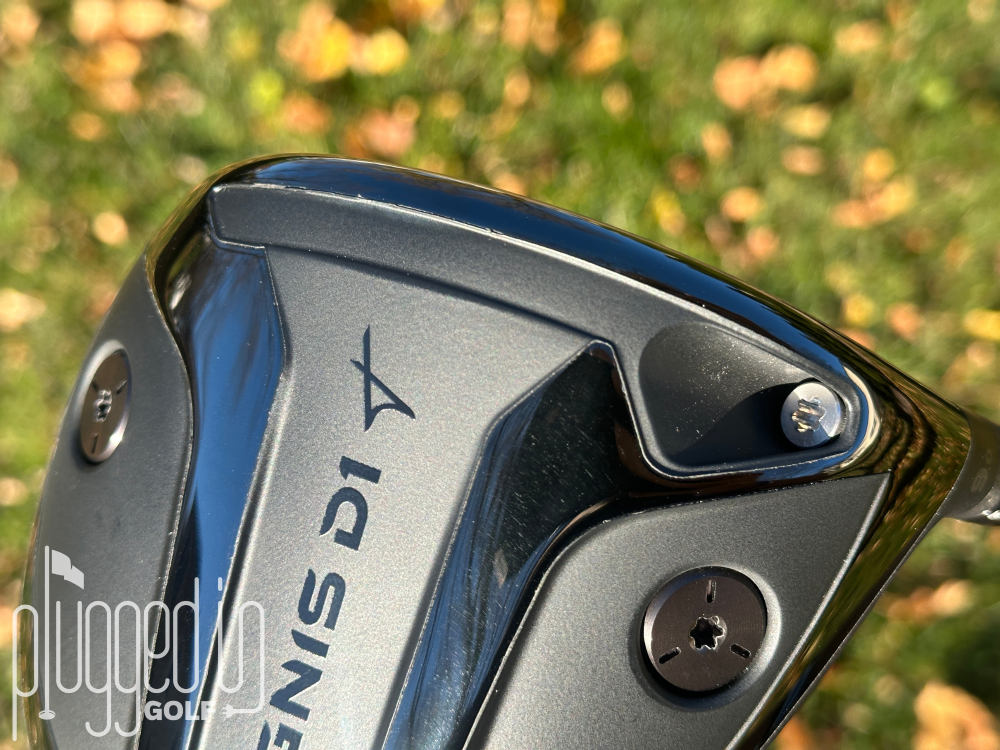
Players do have the ability to alter the launch, spin, and directional bias with three weights and an adjustable hosel. The Takomo Ignis D1 driver comes with four weights – 3, 3, 8, and 13 grams. This allows for some flexibility with swing weight, and you can tilt the driver toward a draw, fade, or just max out stability. With the adjustable hosel the loft can be raised or lowered two degrees, and the lie angle can be made one degree more upright to combat a slice.
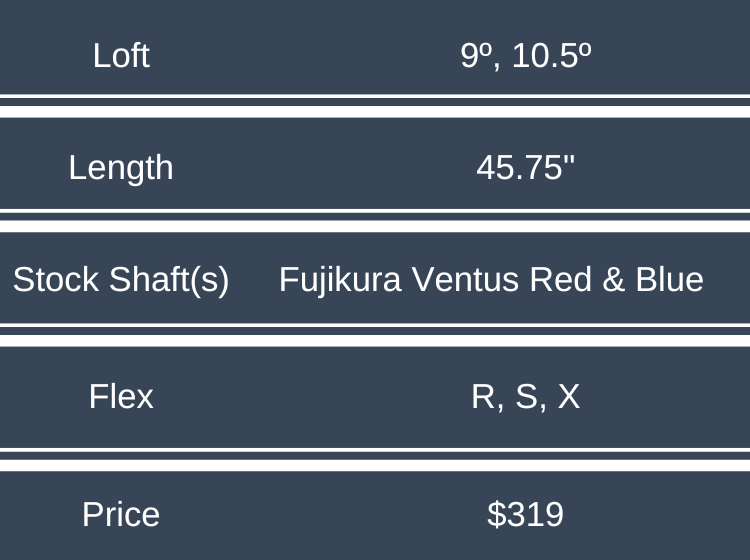
All in all, the Takomo Ignis D1 driver is a tremendous value. While it does leave some performance on the table compared to the biggest name drivers, at $319 it’s less than half the price of those drivers. It costs less than some major OEM’s fairway woods! I will note that the Fujikura Ventus shafts are not “real deal,” but that’s true for many of those high priced OEMs, too. [See Price / Buy]
Conclusion
The Takomo Ignis D1 driver is an impressive first offering from the young Finnish company. It’s a solid performer, and the value proposition is undeniable. If you want to get the most yards per dollar when you’re teeing off, this is the driver you should be putting in your bag.
Buy the Takomo Ignis D1 driver HERE
Takomo Ignis D1 Driver Price & Specs

He founded Plugged In Golf in 2013 with the goal of helping all golfers play better and enjoy the game more.
Matt lives in the northwest suburbs of Chicago with his wife and two daughters.
- Does PUREing Matter for Slow Swingers? – Golf Myths Unplugged - September 14, 2026
- Mitsubishi’s Newest TENSEI Puts More Speed in Play - September 11, 2026
- Reader Reviews – 2026 Wilson Irons - September 11, 2026








7 Comments
Good morning Matt,
Thanks for reviewing this one. As a golfer on a budget, I’m naturally interested in the offerings outside of the big names, and Takomo has been on the radar (their wedges look nice, and affordable.)
Did you test it with one of the stock shafts? It does seem a little limiting, especially since other DTC’s seem to offer a lot more in terms of stock shafts.
I tested with the “made for” Ventus Black.
Best,
Matt
With the very low spin is this going to be suitable for senior golfers who need some help keeping the ball in the air? The value is unbelievable. Thank you Matt.
Jim,
No, it’s the opposite of what that player needs, unfortunately.
Best,
Matt
Hi Matt,
Odd question, which may not even have a great answer. Sometimes for higher handicap players, it’s been said that too much driver spin can hurt a player. Is there any wisdom in playing a low spin driver, but at a higher loft for someone who struggles with spin off of the tee?
(Thanks again for the write up. And wow, I never would have guessed these sub-2000 spin numbers. I generally assume these DTC drivers marketed with forgiveness in mind are usually 2500+).
I think too much spin can be a problem at any handicap level, and if you have too much spin, there’s great sense in getting it under control for more distance and more consistency. As long as going to a low spin driver doesn’t mean you give up all the forgiveness, I think the low spin/higher loft set up is great.
Best,
Matt
Hi Sounds like a driver I would give a go but it doesn’t have a senior shaft?