

50 Words or Less
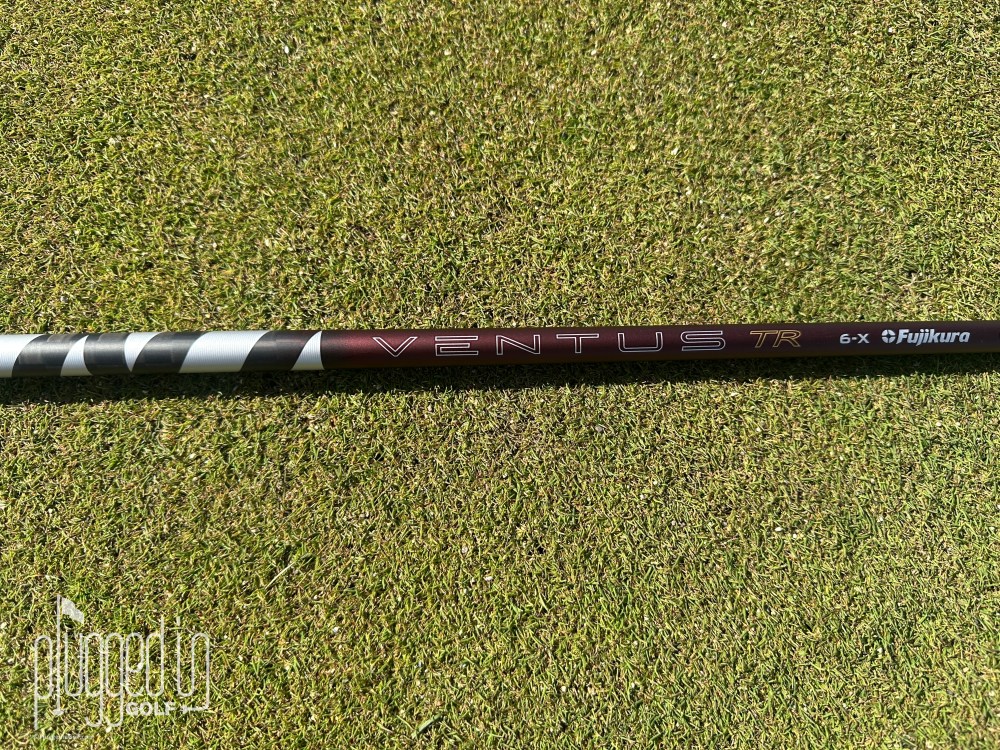
The 2026 Fujikura Ventus TR Red dials up the stiffness on the most active Ventus profile. Stiffer in the butt section, softer in the tip. Slightly higher flight than TR Blue.
Introduction
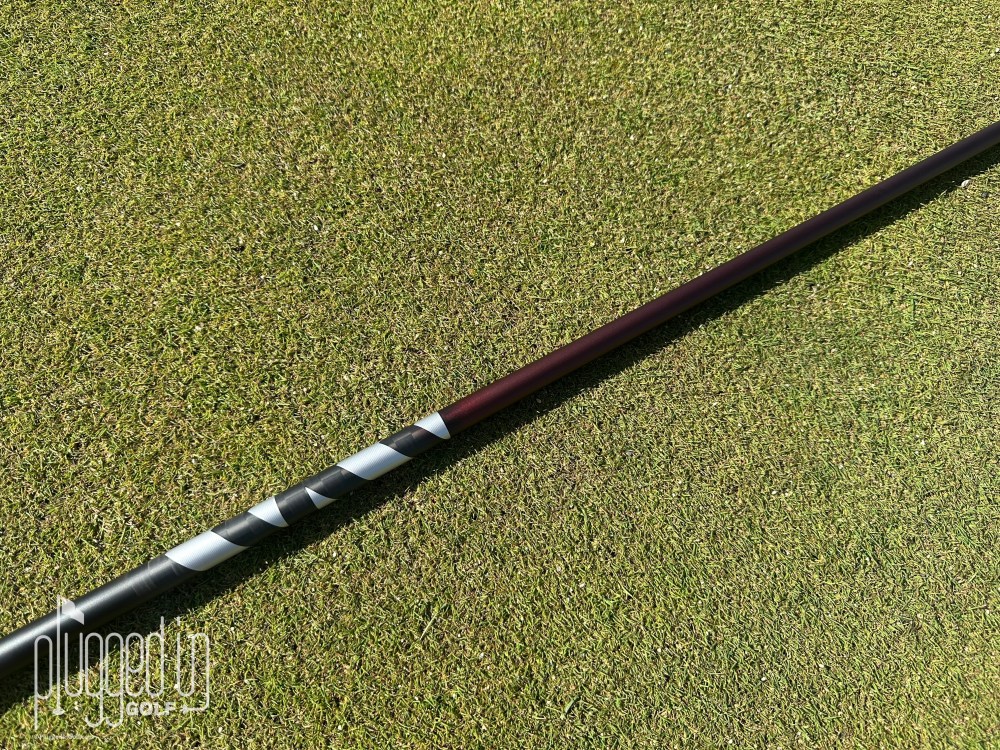
The Ventus TR family was created to fill in the gaps of the original Ventus line. Rounding out the second generation of this family is the 2026 Fujikura Ventus TR Red. For many of the players in between the Red and Blue, the TR Red hits the sweet spot, offering a mix of control and kick. I tested it to see if it was just right for me.
Looks
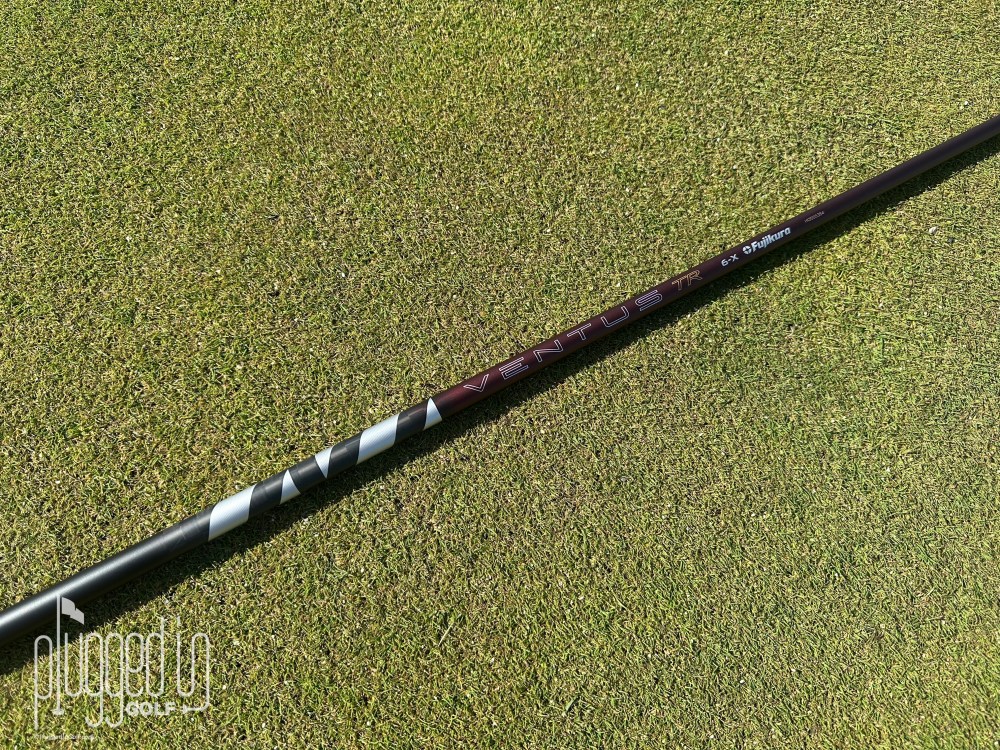
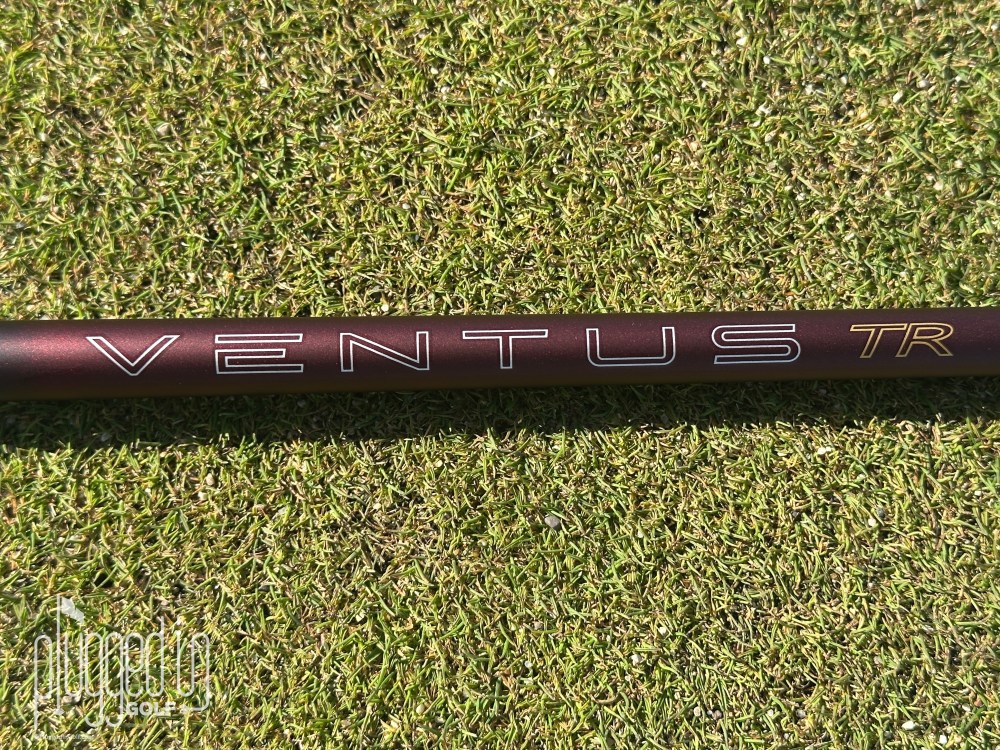
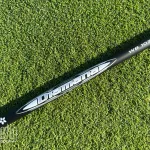
The original Ventus TR Red [review HERE] was the best looking Ventus with a fade from black to bold red, all with a gentle sparkle in the finish. For the 2026 Fujikura Ventus TR Red, the visual pop has been dialed down substantially.
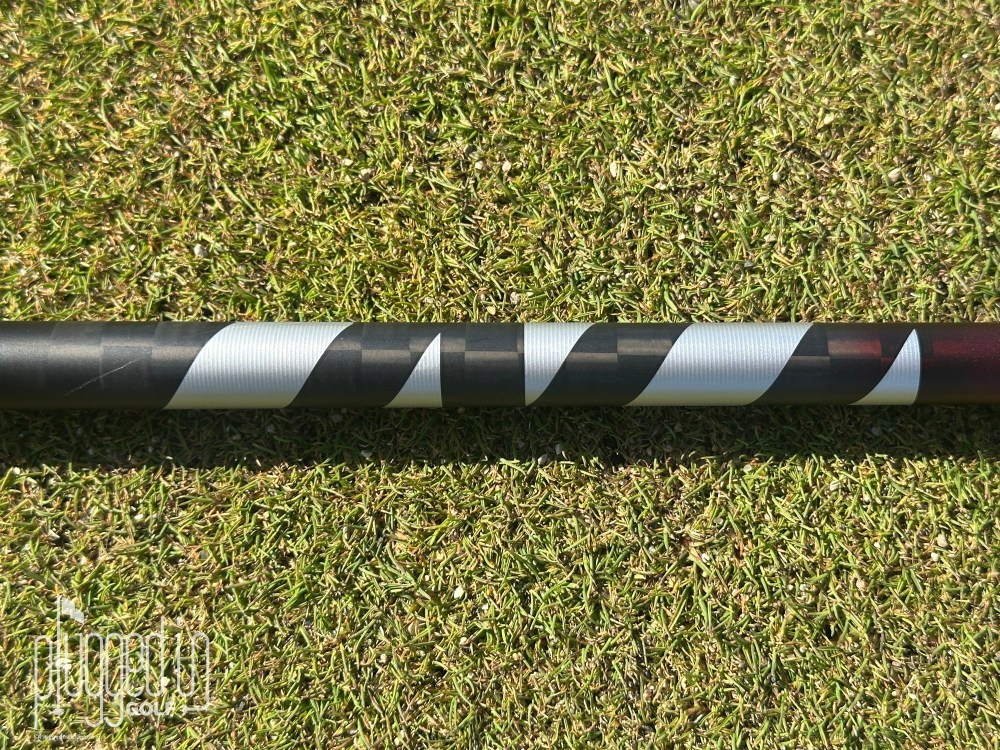
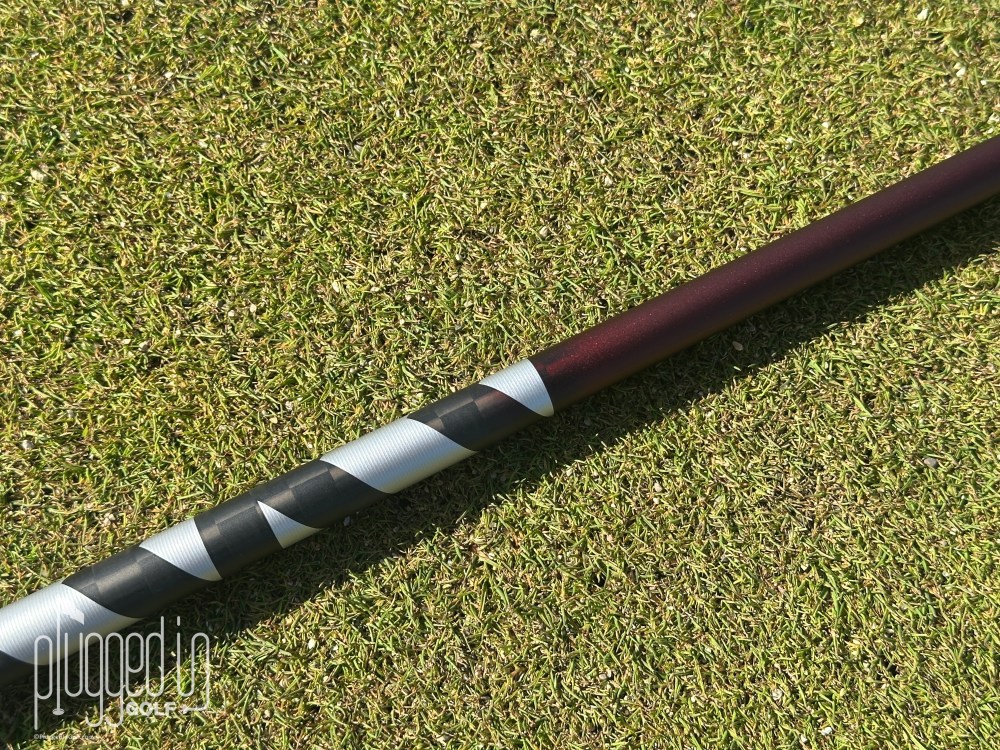
There’s still a fade from black to red, but the red is much darker, almost maroon. Also, the finish has been changed to an all-business matte. The transition from black to red happens underneath the recognizable Ventus graphic where there’s also a checkerboard pattern added into the mix. Overall, this is a great looking shaft, but it doesn’t have the head turning character of the previous model.
Feel
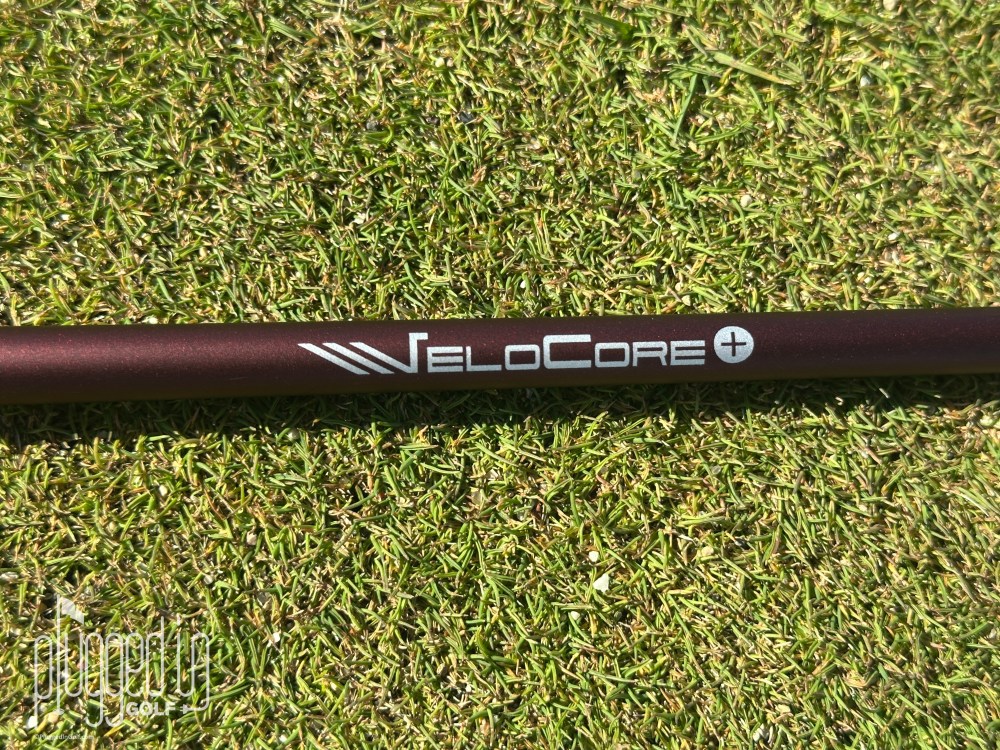
I’ve found most of the second generation Ventus shafts to be very similar to the originals. The addition of VeloCore+ makes them a bit more stable, but I’ve generally had the same experiences with the older and newer models. The one exception is the 2026 Fujikura Ventus TR Red.
With the original Ventus TR Red, I felt like there was a strong kick but enough strength to hold up to a heavy swing. In the 2026 version, I found less kick and the sense that I needed to swing harder to activate it. I can’t say how much of this is the change in the shaft versus changes in my swing and my perception, but it’s a stark departure from the standard Ventus Red [review HERE] and the original TR Red.
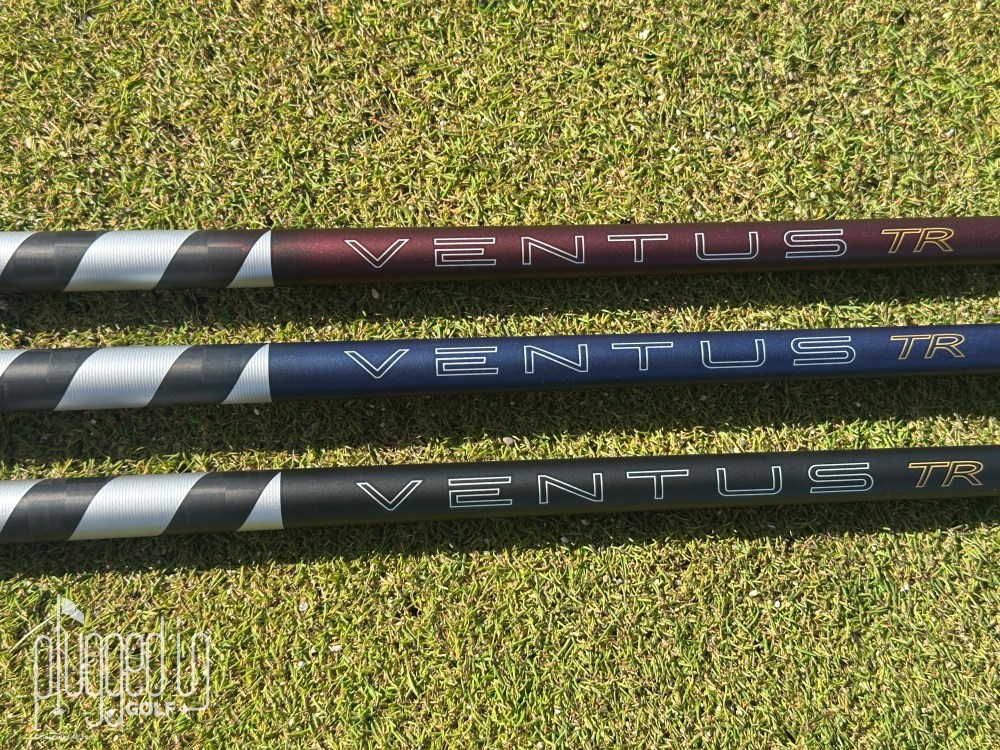
Per Fujikura, the 2026 Fujikura Ventus TR Red is Ultra Stiff in the butt, Stiff in the tip and mid sections. For comparison, the Ventus TR Blue [review HERE] has an Ultra Stiff tip and is Stiff in the butt and mid sections. Ventus TR Black [review HERE] is Stiff in the mid section, Ultra Stiff in the tip and butt.
Performance
I want to start with the always-important acknowledgement that my experience with a shaft is only my experience. Especially in cases like this where I’m reviewing an entire line of shafts, it’s almost guaranteed that one model will work best for me and the others will be varying degrees of mis-fit. I try to make my reviews a balance of objective performance facts and my own experiences, and it’s always my hope that readers won’t take my personal results as the sole reason to buy or avoid a piece of equipment.
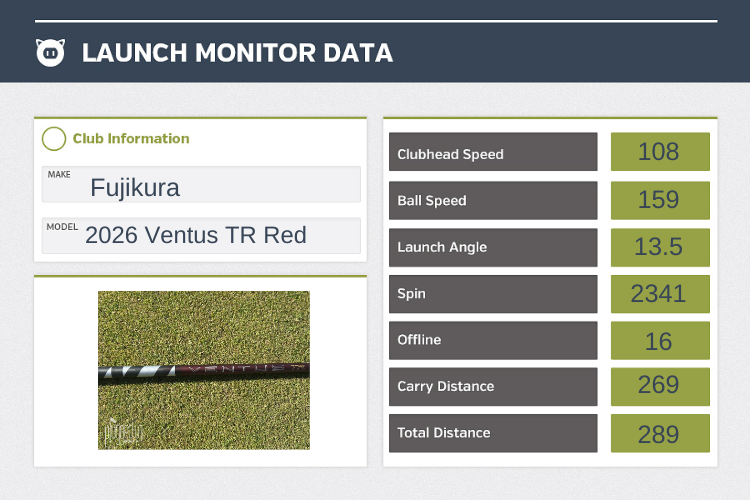
With all that said, the 2026 Fujikura Ventus TR Red is, by a healthy margin, the Ventus that I had the most problems with. The ultra-stiff butt section was pushing me to swing as hard as possible, and, when I did that, the tip section felt unpredictable. I was able to get some really strong results from the TR Red, but I stood over each shot uncertain what I was going to produce.
At its best, the 2026 Fujikura Ventus TR Red produced push draws on a trajectory at or just above my usual. I got those from swings that were not overly aggressive but not necessarily smooth or gentle. The sensation was putting in good effort, but trying to keep transition under control. Those same swings were producing a small push with the Ventus TR Blue.
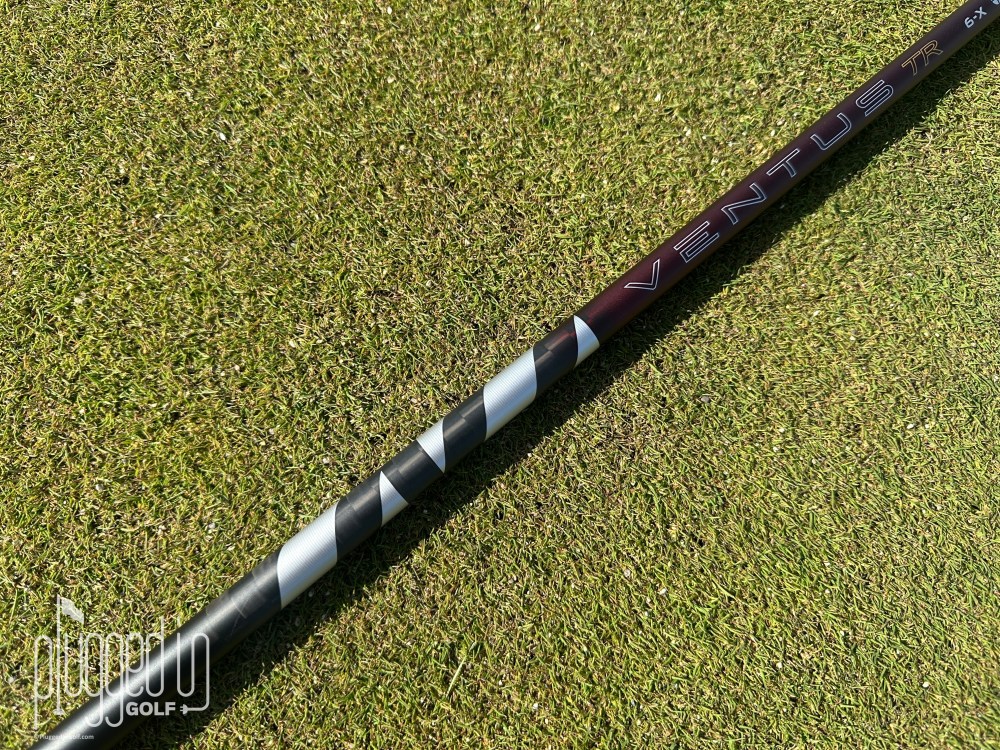
At it’s worst, I was swinging as hard as possible with an equal chance of pushing the ball a mile right or snapping it hard left. Of course, the shaft didn’t make me do this, but it’s how my swing and my feel interacted with the 2026 Fujikura Ventus TR Red. The TR Black is too stiff for me, but the ultra stiff tip let me know where the ball was going. For me, the TR Blue is that “just right” middle ground that gave me a lot of stability in the tip without demanding that I swing out of my shoes.
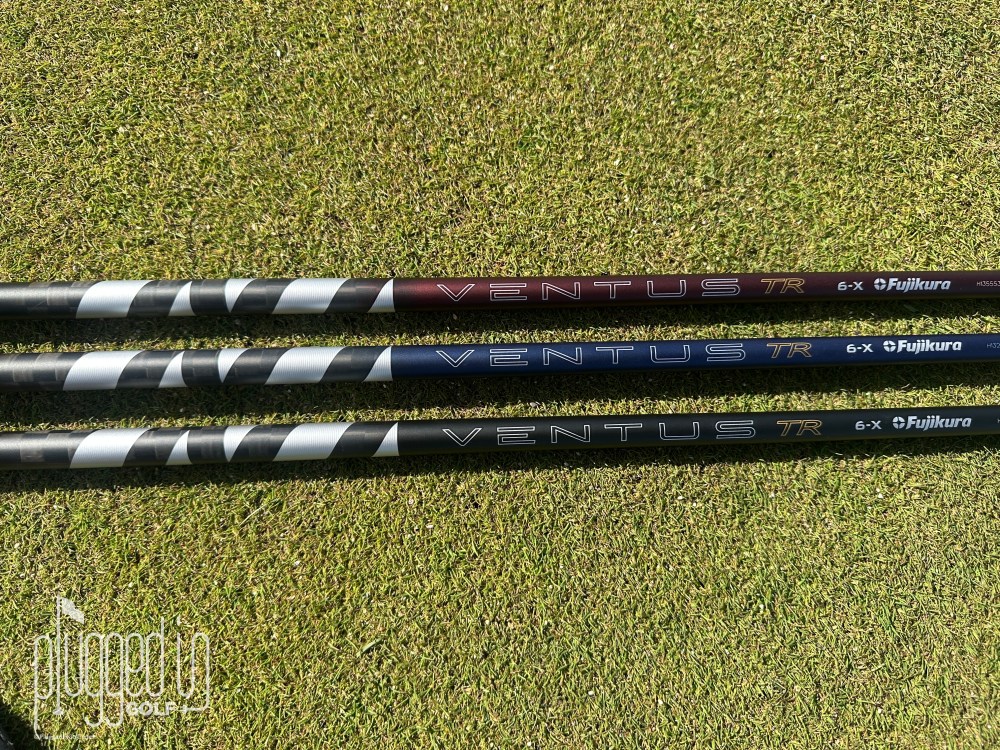
The 2026 Fujikura Ventus TR Red is available in a wide range of flexes and weights ranging from 50 to 90 grams. At 50 grams, Fujikura offers R2, regular, and stiff flexes. Moving up to 60 grams, the flexes available are regular, stiff, and X. At 70 grams, Fujikura makes stiff and X. The heaviest two versions, 80 and 90 grams, are offered only in X flex.
Conclusion
While the 2026 Fujikura Ventus TR Red is not a good fit to me, I tip my hat to Fujikura for the wide range of shafts in the Ventus family. Each one is clearly unique and offers fitters the ability to get every golfer into a shaft that fits their swing, tempo, and feel.

He founded Plugged In Golf in 2013 with the goal of helping all golfers play better and enjoy the game more.
Matt lives in the northwest suburbs of Chicago with his wife and two daughters.
- Macro Golf SquareStroke Shaft-Handle Review - October 19, 2026
- Golf Gear We Tested – October 2026 - October 19, 2026
- Srixon ZXi RKT MAX Driver Review - October 16, 2026





Join the Conversation | 8 Comments
Hi Matt,
General question about shaft color coding. Does the color coding have a general meaning behind it? I’ve heard that red is launching, blue is mid, and black is low, but I don’t know if that’s true or just something that gets repeated. I know that those terms are all relative, as well.
Thanks again for the work. I’ve learned a ton following the site.
Every brand can do whatever they want, but most have adopted Mitsubishi’s model where Blue is the middle, Red is most active, and White or Black is stiffest. Assuming that a more active shaft will launch higher is a rule of thumb that a lot of people use, but it’s far from reliable.
Best,
Matt
Thanks, Matt. Have a nice holiday.
I played with the Fujikura Ventus blue shaft 60 g stiff for years in a PXG head. I went to a Callaway Quantum Max driver and put in 3 different shafts before upgrading to the new Venus shaft . It was great for me. My handicap is a +2 , swing speed 85mph +/-. My driver distance is a true 250 yards. Age 67
Matt, Thank you for that clarification regarding shaft color codes and corresponding profiles being “far from reliable”. As a longtime professional clubfitter, and a Fujikura Charter Fitter/Dealer, I certainly find this statement to be true. This has been the case with the new 2026 Ventus TR Series with VeloCore+ … at least for me!
I have had results similar to yours with this specific model, having tried the 2026 TR Red shaft in two different clubs (5R in a driver and 6R in a mini driver). My misses when I take my “standard” swing, which is far from gentle and averages about 92-95 MPH with these two clubs, results almost universally in weak push-fades. When I go “all out” with these shafts (100+ MPH and extremely aggressive in the downswing and release), I get the same type of out-of-control hooks that you describe. I have found that I get my best results in both of these clubs when using my older tried-and-true ACCRA TZ6 shafts in similar weights with both of them.
Looking at the EI curves, and your comments, makes me think this is very similar to the TR blue in feel but with a softer tip. Does that sound right in your experience?
You are so right that everyone is different and that the profiles only give a starting place. I couldn’t do the 1st gen TR Red for the reasons/misses you describe but have been getting along really well with the “regular” Red and Evenflow blue (softer tip profiles) lately, which had historically fit me terribly.
AJ,
Yes, the TR Red is definitely softer in the tip than the TR Blue.
Best,
Matt
I have gamed the Red Velocore+ in driver for 2 years with more success than any shaft I’ve tried before or since, so I was very excited for the Red TR/Velo+ release. I definitely agree that this newest iteration seems quite stiff for a red profile shaft. For my swing it feels stiffer than the Blue TR/Velo+. It seems similar to the 2024 black Velo+ IMO