
50 Words or Less
The UST Mamiya LIN-Q PowerCore Blue shaft is a very stable mid-launch, mid-spin shaft. Feels smooth enough to prevent over-swinging. Tight dispersion.
Introduction
In 2025, over 100 PGA and Korn Ferry Tour players gamed or tested the UST Mamiya LIN-Q. That’s created the kind of buzz you can’t buy, and in 2026, golfers are getting the chance to try the LIN-Q for themselves. In this review, I’ll get into the tech and performance of the UST Mamiya LIN-Q PowerCore Blue, the middle profile in the family, and I’ll let you know if this is the start of a new era in the world of golf shafts.
Looks
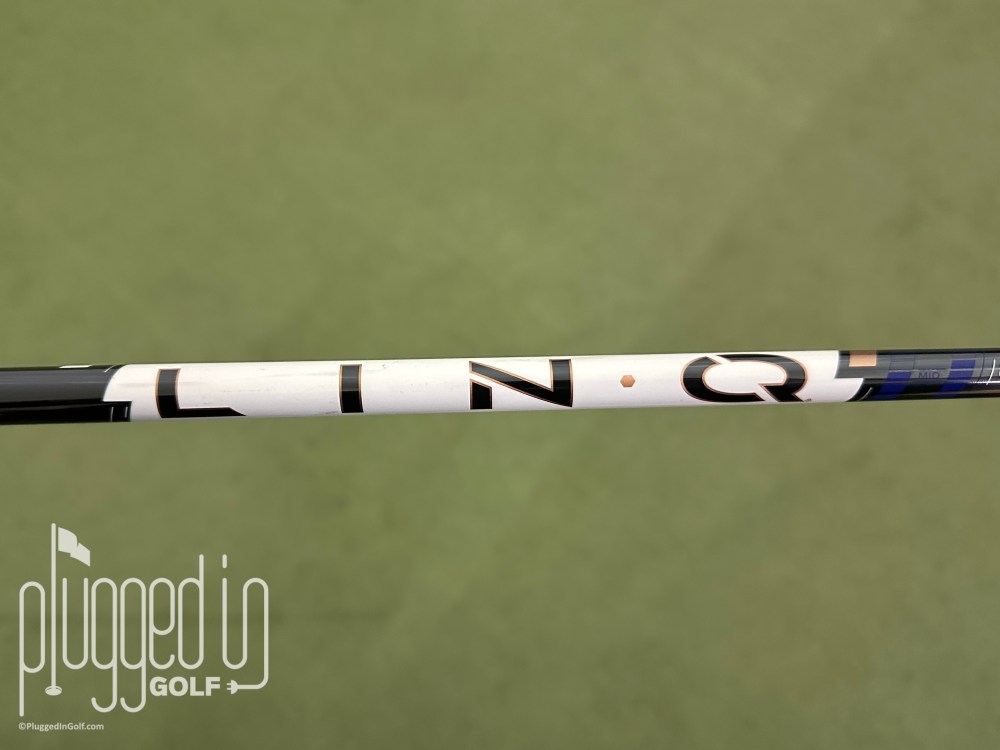
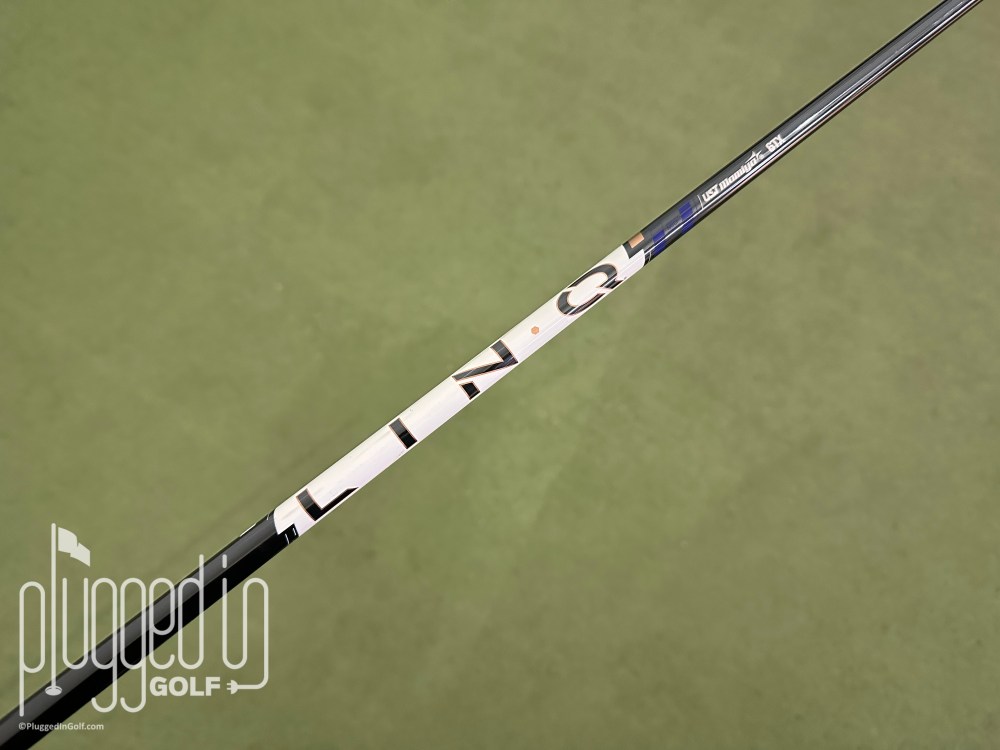
Almost every shaft maker is trying to simultaneously copy and destroy the Fujikura Ventus, and that starts with the look. Part of Ventus’s success is that it’s not overly loud, but it’s instantly recognizable on TV. The UST Mamiya LIN-Q PowerCore Blue achieves a similar feat.
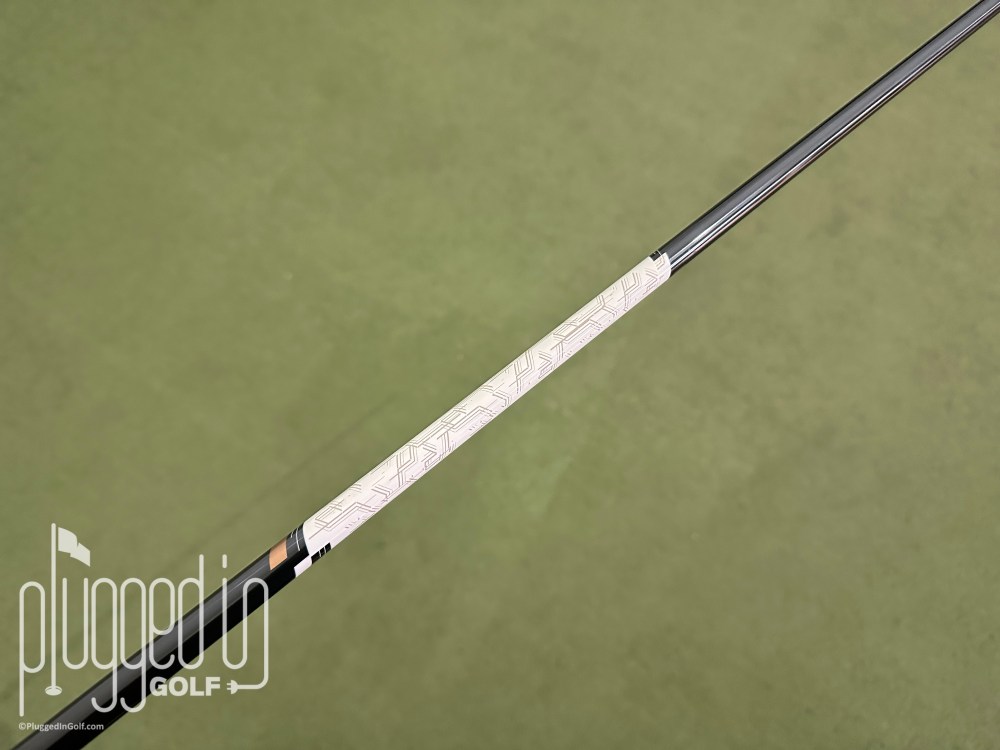
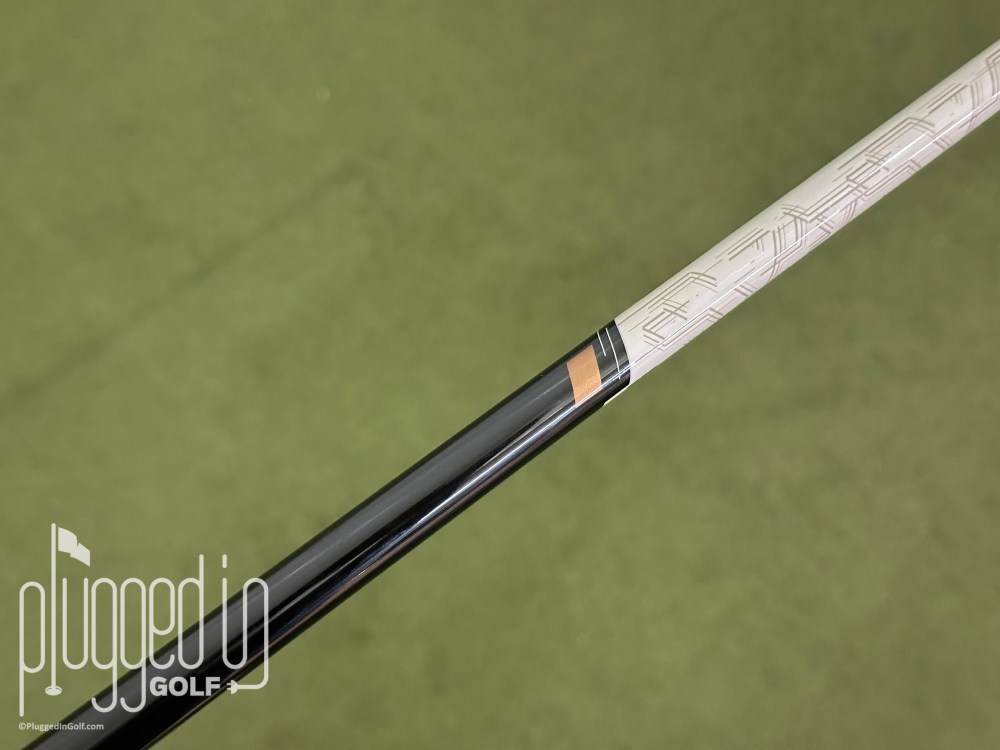
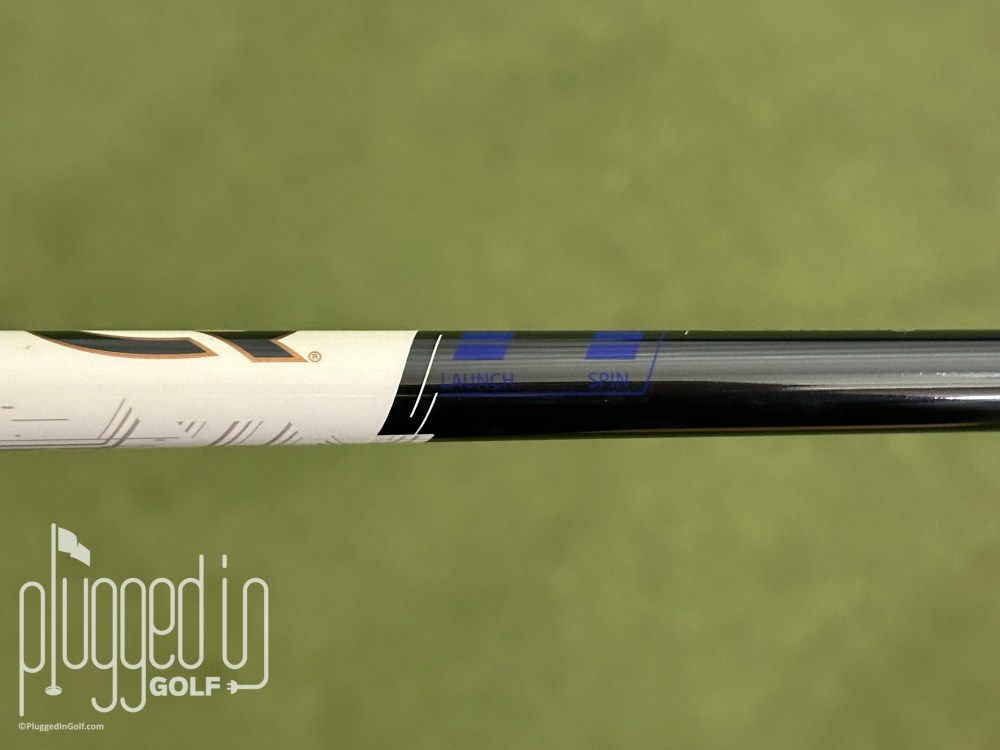
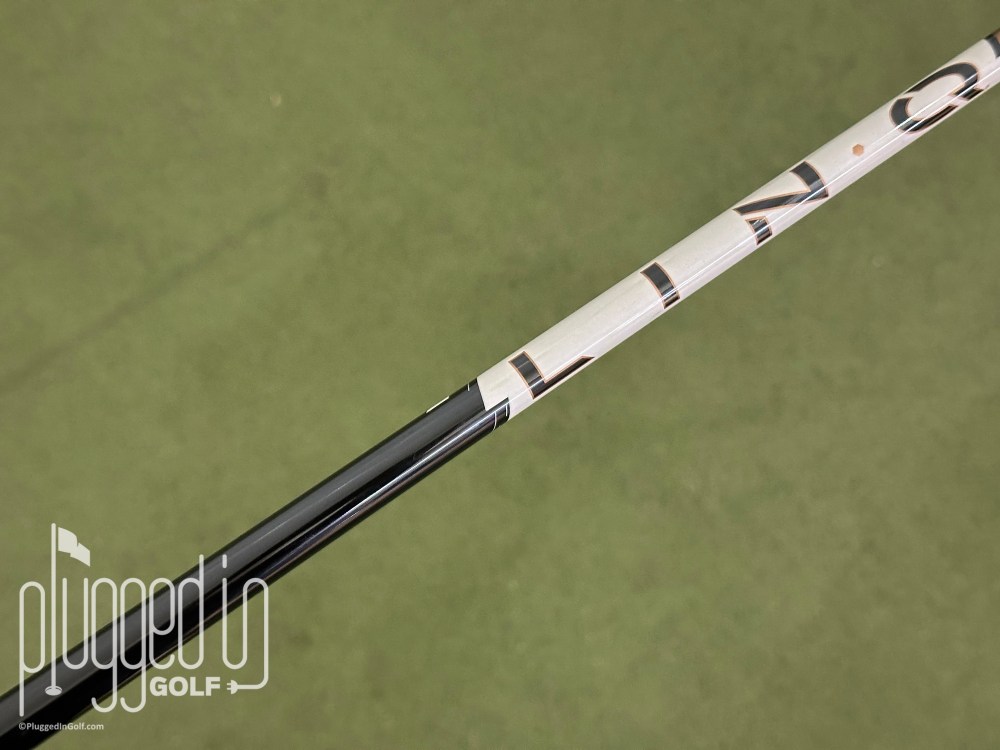
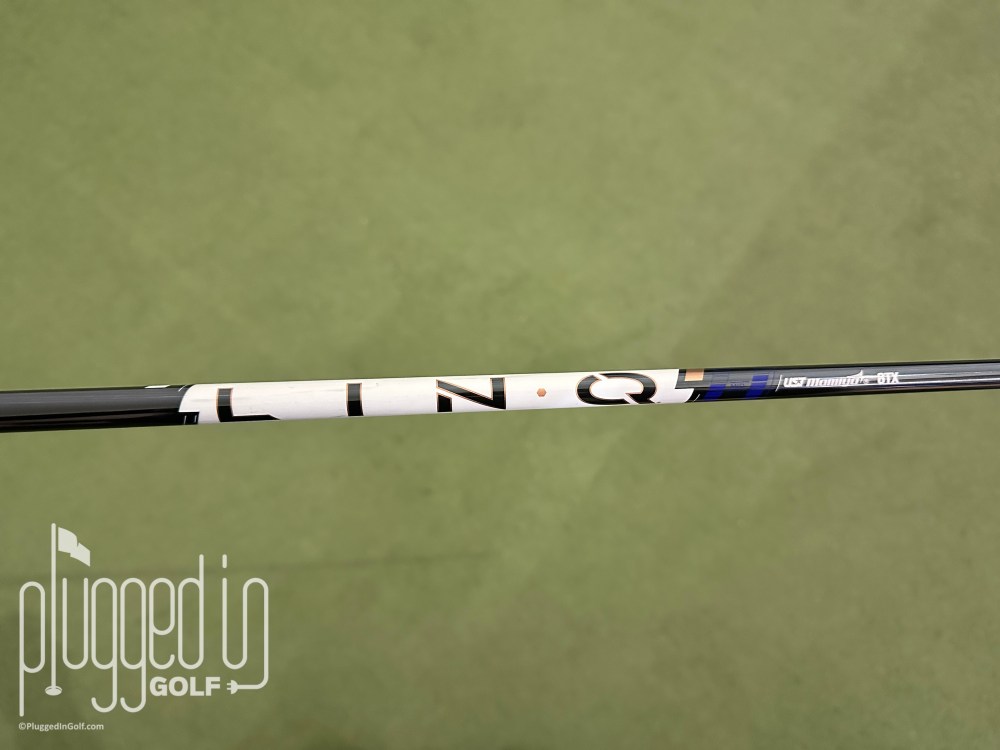
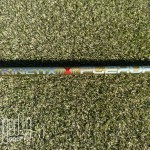
All three of the LIN-Q models are predominantly gloss black – a clean, traditional look. Below the grip is a white block approximately seven inches long with clear, bold “LIN-Q” branding. The model and specs are very understated – two bars in the model color displaying the launch and spin characteristics. If you go for a logo down installation, the white section has angular graphics in a biege/gold color.
Overall, the UST Mamiya LIN-Q PowerCore Blue is distraction-free at address and will fly completely under the radar of most golfers. However, those that follow equipment closely will be able to spot this the moment you pull it out of the bag.
Feel
The UST Mamiya LIN-Q PowerCore Blue sits in the middle of the LIN-Q family between the Red and the White. This sets clear expectations for how it should feel, and, overall, the LIN-Q Blue meets those expectations. In my testing, I found a light kick in the lower middle of the shaft. To place it in the context of all the “blue” profiles, this is on the more stable end of the spectrum. There’s some action, but it doesn’t feel like it’s adding a lot of speed. Instead, the focus is on being in the same spot, swing after swing.
I was able to test the X and TX flexes, and I found a noticeable difference between the two. Stepping up from the X to the TX, the feel wasn’t harsh, but I was clearly getting less kick. Said another way, the shaft wasn’t doing much work for me. However, even the TX was smooth enough that I didn’t feel the need to over-swing.
A final note on feel: in talking with UST, they stressed that the three LIN-Q shafts have a similar EI profile to allow players to mix and match Red [review HERE], Blue, and White [review HERE] for different performance with similar feel. To me, switching colors changed the feel more than going up or down a flex. That is to say, going from UST Mamiya LIN-Q PowerCore Blue X to LIN-Q White X was a bigger feel change than going from LIN-Q Blue X to LIN-Q Blue TX.
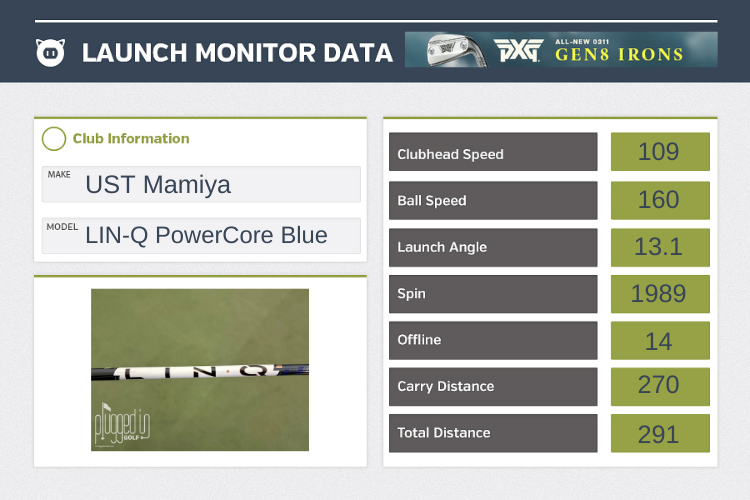
Performance
The tech story behind the UST Mamiya LIN-Q PowerCore Blue shaft is so important to the company that they put it right in the name: PowerCore. UST is using a Q Ply Material combined with a proprietary nano resin. The benefits of the Q Ply include superior storage and release of energy and “added hoop strength” for more consistency and better feel. Per UST, the feedback they’ve received from Tour players is that it’s stable and feels great. The benefits they’ve observed are tighter dispersion and better consistency with launch and spin.
In my testing, the stability and consistency of the UST Mamiya LIN-Q PowerCore Blue really shined. Starting with the X flex, it took some time for me to feel like I was in synch with the shaft. That’s not a commentary on the shaft as much as a conspiracy between small injuries, my winter swing, and testing too much different gear. Even when I didn’t feel like I was swinging well, the results were solid.
When I got more locked in with the LIN-Q Blue, things went from good to excellent. The ball flight was totally predictable – mid launch, mid spin, with good speed. While I’ll never claim I could hit mower lines like Fred Funk, there were stretches of my testing where I felt like I barely needed to look up to know where the ball was.
Speaking of dispersion, with both the X and TX, I had above average control of my start lines. Given some of my other testing results lately, I feel comfortable giving the UST Mamiya LIN-Q PowerCore Blue a healthy share of the credit for that. Further, because the shaft was consistently in the same place and I knew where the ball would start, I felt confident in shaping the ball in both directions.
The UST Mamiya LIN-Q PowerCore Blue is available in three weight classes: 50, 60, and 70 grams. In the lightest version, UST offers A flex, regular, and stiff. Both the 60 and 70 gram versions are offered in regular, stiff, and X. TX models are available through UST’s TSPX dealers like Club Champion.
Conclusion
Is LIN-Q the Ventus killer? I don’t think we’ll be able to say that the Ventus Era is over until guys like Rory and Scottie dump the Ventus Black [review HERE], but the LIN-Q does signal that we are starting to turn the page. The UST Mamiya LIN-Q PowerCore Blue offers players the popular mid/mid profile with the kind of consistency and stability that everyone wants.
Visit UST Mamiya HERE

He founded Plugged In Golf in 2013 with the goal of helping all golfers play better and enjoy the game more.
Matt lives in the northwest suburbs of Chicago with his wife and two daughters.
- ARETERA AO2 Shaft Review - March 27, 2026
- Shot Scope LM1 Launch Monitor Review - March 26, 2026
- TaylorMade Qi Max Irons Review - March 25, 2026



22 Comments
Hey Matt, thanks for the review. Quick Question: can you briefly explain the sampling method you are using for Launch Monitor Data? How many? Eliminating any?…..?
Matt,
The launch monitor data is meant to show what a collection of quality strikes looks like – I don’t think it’s useful to fold the bad misses into the data. Ultimately, the numbers are there are a small companion to the written review. I know people like numbers, but my belief is that people get overly fixated on them. Our reviews and our numbers are just a starting point for people to find what works for them; golfers should only be obsessed with their own numbers.
Best,
Matt
Thanks for the write up. I’m trying to educate myself more on driver shafts and how they impact performance and what to expect from certain brands, etc.
What driver head did you use for testing?
PING G440 Max.
I’m a massive fan of UST shafts and have played many of their shafts over the year’s especially the Attas line. Looking forward to hopefully seeing these in the UK where unfortunately UST are definitely not as readily available as others like Fujikura are.
Hey Matt did you like the feel of the white better than the blue?? I’m looking at both options as to which way to go into testing.
John,
I’ll have a review of the White in the next few weeks. I like the Blue better – I like a smoother, more active feel – but I would probably opt for the White as a gamer because it does more to stop my quick lefts.
Best,
Matt
Matt,
How does LIN-Q Powercore Blue compare to LIN-Q TSPX M40X BLUE?
Nick,
I haven’t hit the TSPX, so I can’t offer a comparison.
Best,
Matt
Great review as always. I’m currently gaming the ventus red, how would you compare the feel compared to either the ventus blue or red?
Glenn,
This is not very close to the Ventus Red.
I have full reviews of the Red: https://pluggedingolf.com/fujikura-2024-ventus-red-shaft-review/
and Blue: https://pluggedingolf.com/fujikura-2024-ventus-blue-shaft-review/
Best,
Matt
During testing, was the ball flight pretty straight on your stock swing? What was the miss when you got quick?
Seems UST is taking a similar approach to shaft design as Aretera with their Powercore line. Adjusting firmness to adjust launch and spin tendencies while keeping the same basic EI curve should making finding the right fit easier. Would you say Powercore Blue was most similar to EC1 Gray in feel? Performance numbers look very similar.
Mike,
My miss is almost always left when I’m too quick.
The LIN-Q Blue is closer to the EC1 Grey in feel than the Blue, to me.
We always discourage comparing numbers from review to review, especially across months or years.
Best,
Matt
Thanks for the reply Matt! I’m a left miss too. EC1 Blue has given me a straight to fade ball flight on all but my most atrocious swings. I’m a big on feeling a shaft load without too much (extra) effort which pushes me towards softer/smoother Blue profiles or into stable Red profiles. I’m hoping Powercore Red will be UST’s equivalent of Aretera EC1 Blue in feel and performance.
I too use EC1 BLUE but have used the UST line in the past how does this compare? Powercore blue vs EC1 blue
Hey Matt,
Which felt more active to you, this Powercore Blue or the Diamana BB? Currently gaming BB, and a little more stability, especially in the tip would be interesting…
Thanks!
Eric,
Great question. I think the BB is a little smoother and more active at the same weight and flex.
Best,
Matt
As always I’m enjoying your reviews. How would you compare the UST Mamiya LIN-Q Blue and the Tensei 1K Blue now that you’ve reviewed them both. I’m gaming the Tensei now but the Lin-Q has me curious
Gene,
They’re so similar that I don’t feel like I’d have much to offer without head to head testing.
Best,
Matt
Another excellent review Matt, these UST Mamiya PowerCore shafts have been getting loads of hype recently especially with 3 PGA Tour wins in 2025 by Ben Griffin so I will be keen to test them out, its interesting that you found the PC Blue TX very playable whereas you had previously found the PC white TX just wat too stout.
Maybe Fred Funk can hit mower lines but Rory can barely hit a 50 yard wide fairway these days with the Ventus Black 6X shaft, truly horrendous driving for him to finish 177th out of 180 players on the PGA Tour for driving accuracy in 2025.
Good morning Matt,
Truly enjoy your views & opinions on various golf equipment, so I am a 65 y/o male golfer with a driver swing speed of approximately 90-100 mph, I am currently using a T/M M6 driver 10.5 reg flex with a red even-flo 5.5 50 gram reg shaft, on a good day I avg around 220-240 with my drives, would I truly benefit from a linq shaft or would it just be wishful thinking on my behalf to get more distance and accuracy off the tee, if so which shaft would you recommend & it really doesn’t need to be the linq series, just looking for a good start point. Thanks Marty
Marty,
I’m glad you enjoy the site, thank you.
At 100 MPH, your optimal carry distance is 250 yards, so it sounds like you have some room for improvement. The best way to find that extra distance is with a high quality club fitting. I do not endorse the buy-to-try method as it’s ultimately more expensive and, if the goal is improvement (as opposed to enjoying the hunt), more frustrating.
Best,
Matt