

50 Words or Less
The Titleist GTS2 fairway wood blends high performance with ease of use. Larger footprint and shallower face make it inviting to hit off the turf. More adjustable than previous “2” fairway woods.
Introduction
Matt Meeker and I have been reviewing golf clubs for a while. We each have a strong knowledge of our game, our equipment needs and preferences, and those of the other. As we each headed to our Titleist GTS fittings, we would have bet heavily that he stayed with the Titleist GTS2 fairway wood and I with the GTS3 [review HERE]. But, due to some substantial changes in the Titleist lineup and our evolving swings, we flipped. Find out why the GTS2 fairway wood is competing for a spot in my bag, not his, in this review.
Looks
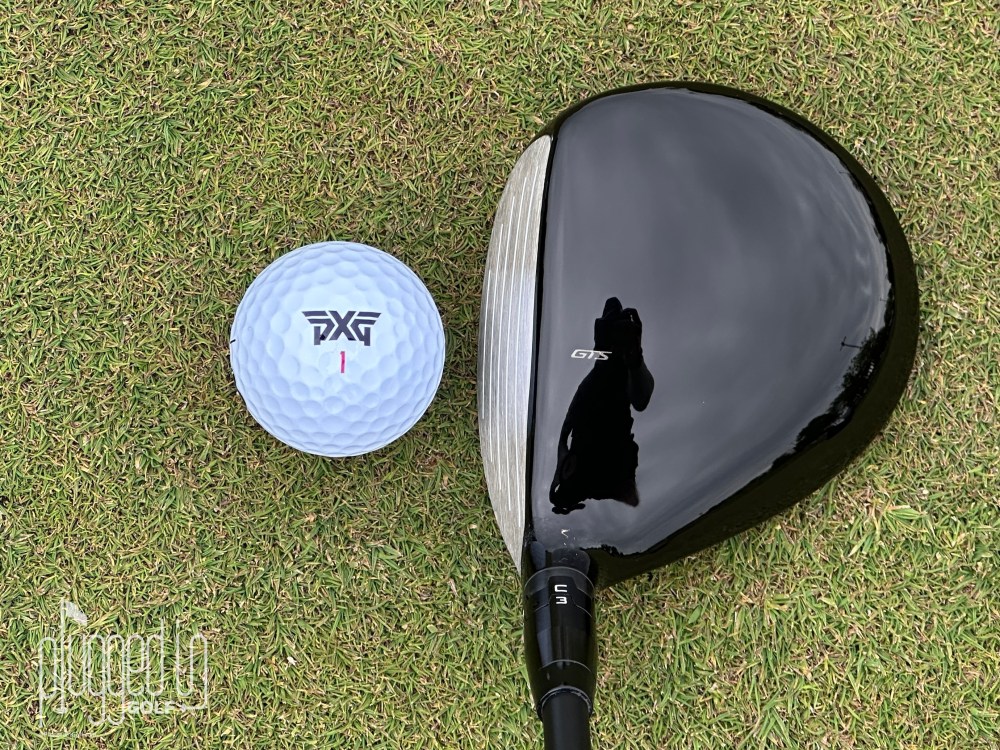
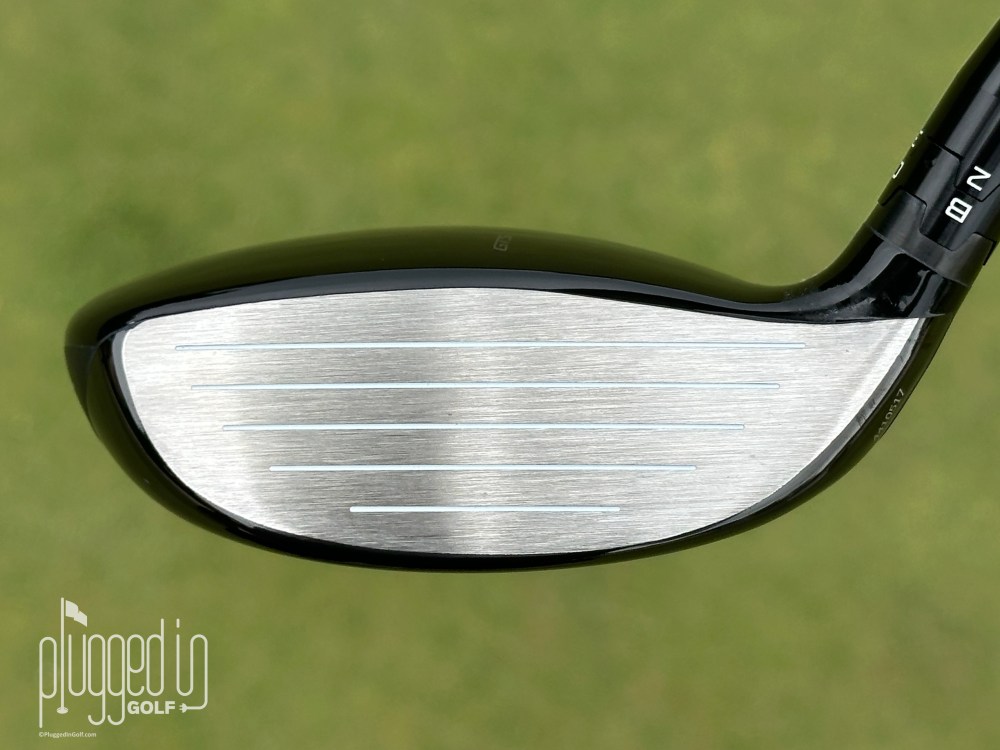
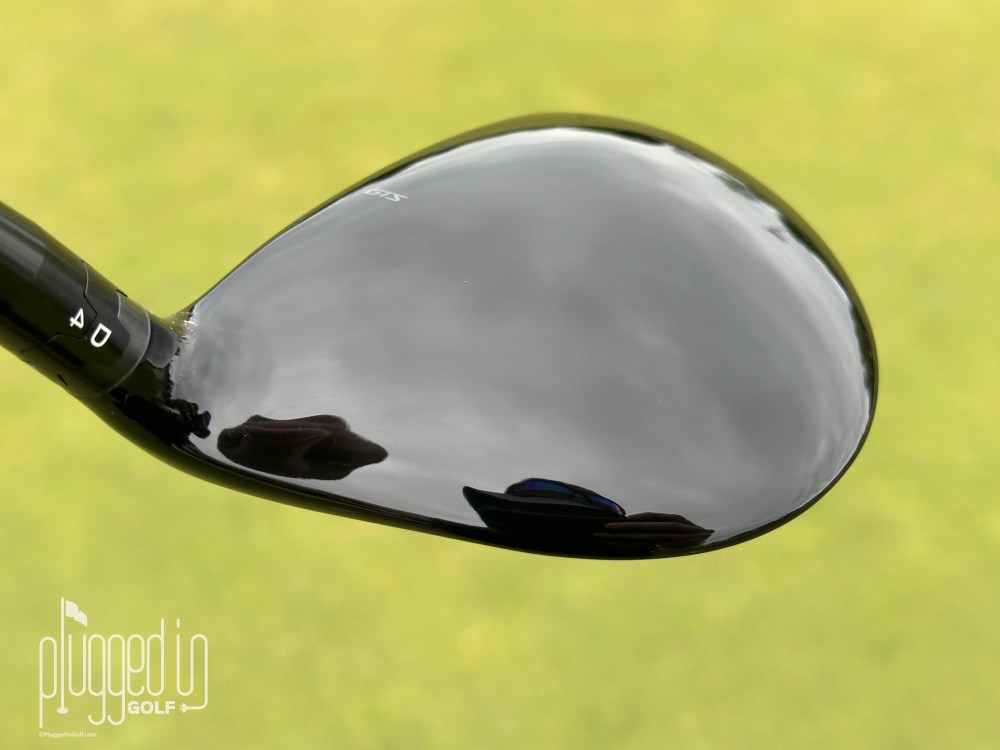
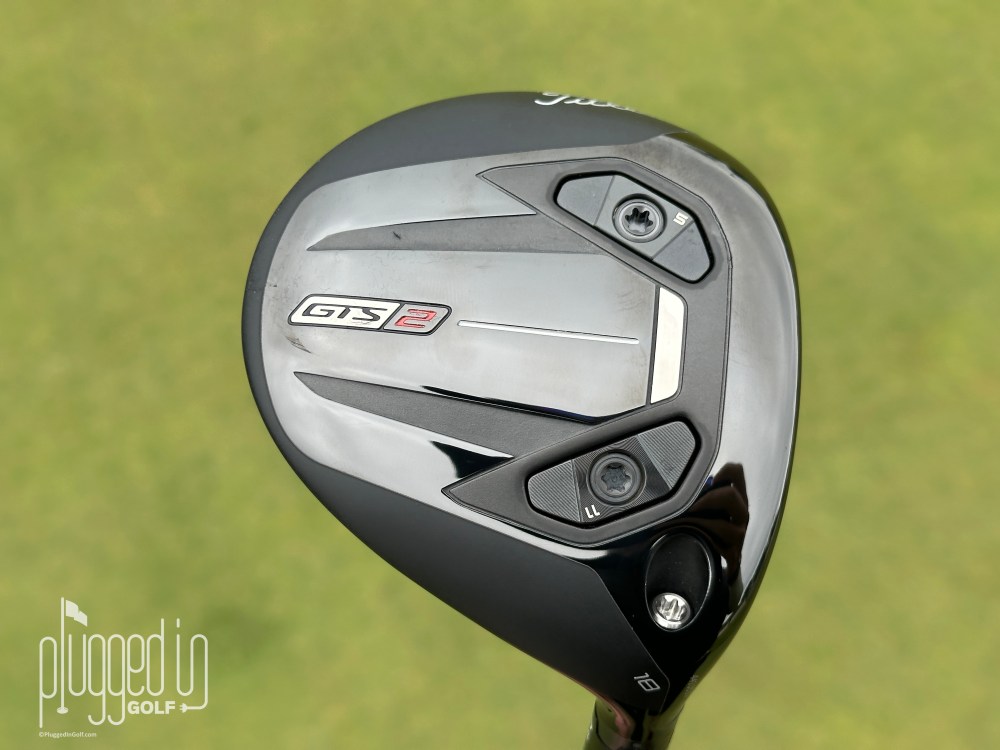
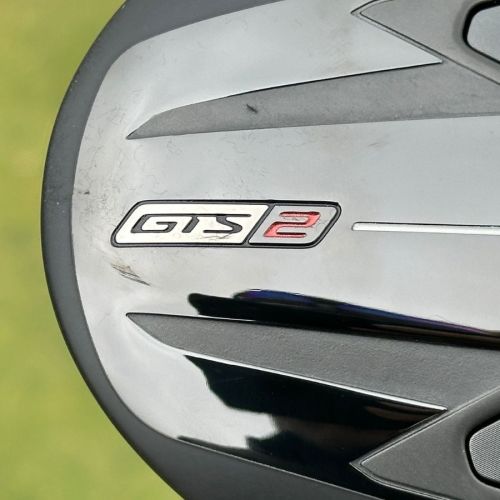
While Titleist clubs always steer toward classic, traditional looks, there are a couple big changes to the Titleist GTS2 fairway wood. Most obvious is the face. Where the GT2 FW [review HERE] had a black face, the GTS2 has a silver face. Titleist calls this a “High Polish Face” and says that it came about as a result of Tour demand. The lighter color makes the face look larger, which can promote confidence at address.
Speaking of larger, the Titleist GTS2 fairway wood has a larger footprint than its predecessor. It has the same total volume, but the face is shallower allowing for a bigger appearance at address. This was another change that was fueled by the Tour, as many Tour players loved the larger size of the GT1 FW [review HERE].
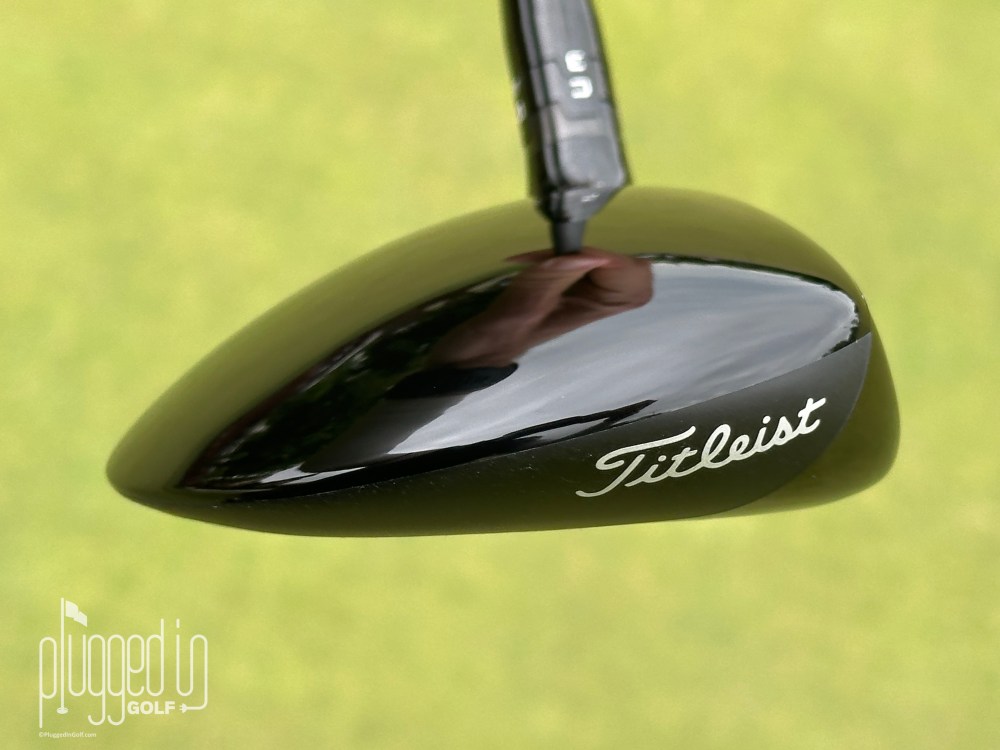
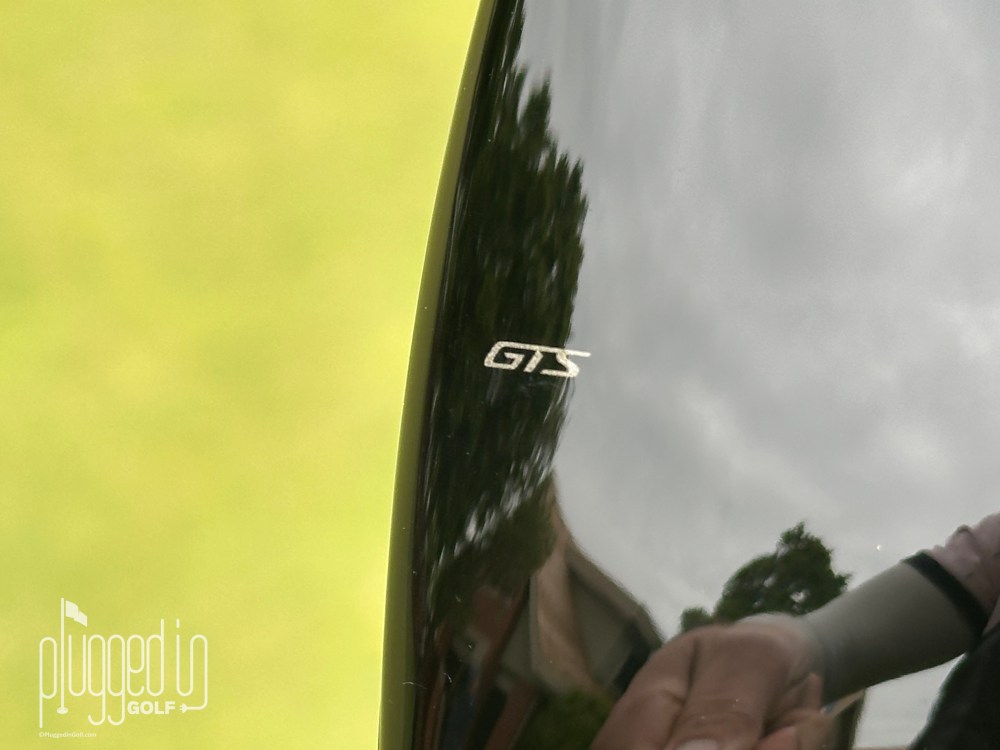
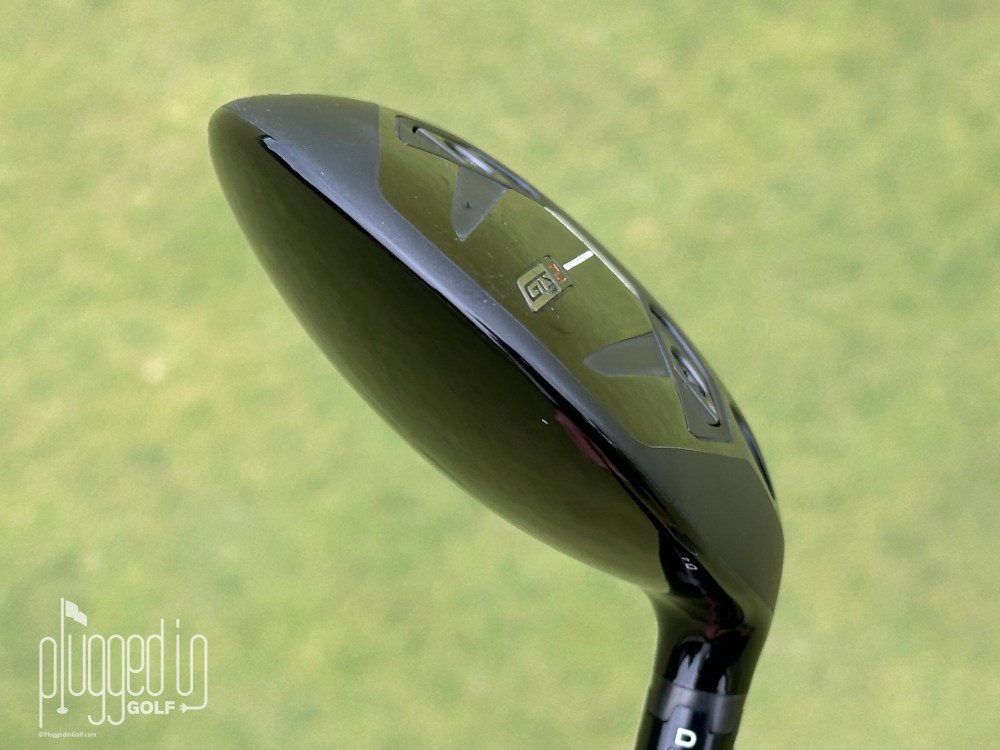
In spite of these two big changes, there’s a lot about the GTS2 FW that is line with their previous offerings. The crown is gloss black, interrupted only by the small “GTS” alignment aid. The sole design is clean and sharp – a mix of matte and gloss black with modest branding and two movable weights.
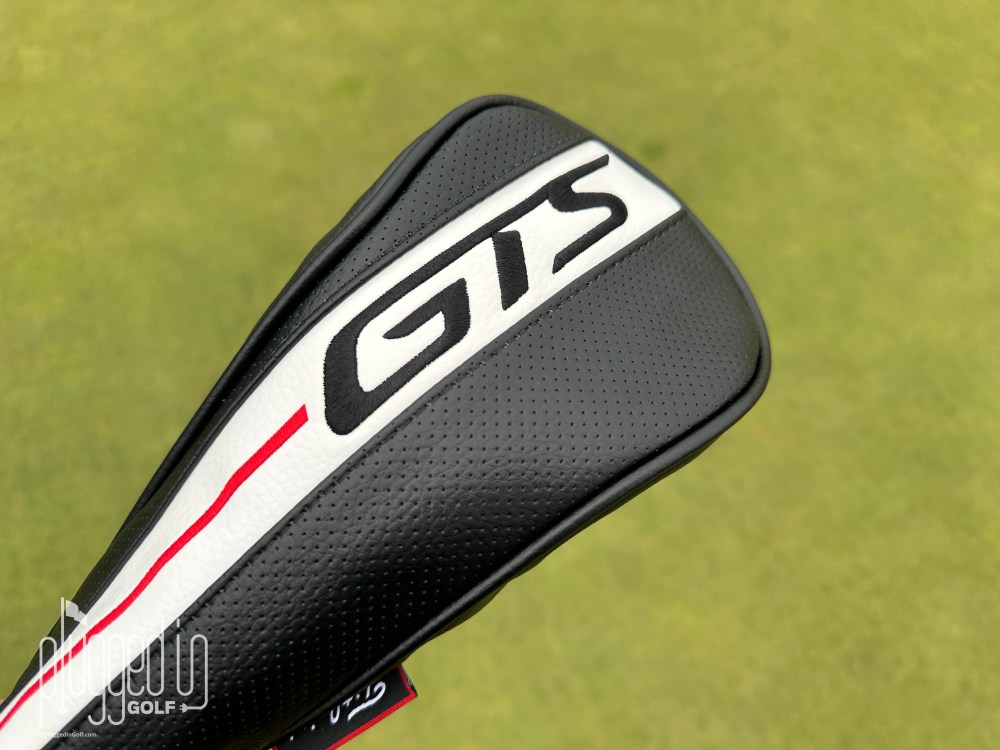
Titleist also manages to continue making black, white, and red look modern and fresh on the headcover. With its asymmetric design, the GTS cover looks both classic and new. [See Price / Buy]
Sound & Feel
Of all the ways I thought to describe the impact sound of the Titleist GTS2 fairway wood, my favorite is “a grown up ‘tink'”. We all know that high, tinny, metallic fairway wood sound. There are echos of that here, but they’re faint. The GTS2 FW has more bass, more robustness. It’s still metallic, but it’s metallic crossed with woodsy solidity. The sound is also extremely consistent, becoming dull only on the edges of the heel or toe.
The feel of impact is also a balance, giving the sensation of both speed and a strong, solid hit. Even though this is a fairly stable head, the feedback through the hands is good. I knew immediately when my strike was poor, and I was able to differentiate good from great after a little time with the club.
Titleist GTS2 Fairway Wood Fitting
Where my driver fitting required a bit of work, my Titleist fitter was quite decisive about the GTS fairway wood that I needed. Once the GTS2 driver [review HERE] was dialed in for me, he handed me the Titleist GTS2 fairway wood. He explained the two big, Tour-driven aesthetic changes – the larger footprint and the silver face – and he showed me the Dual Weighting System.
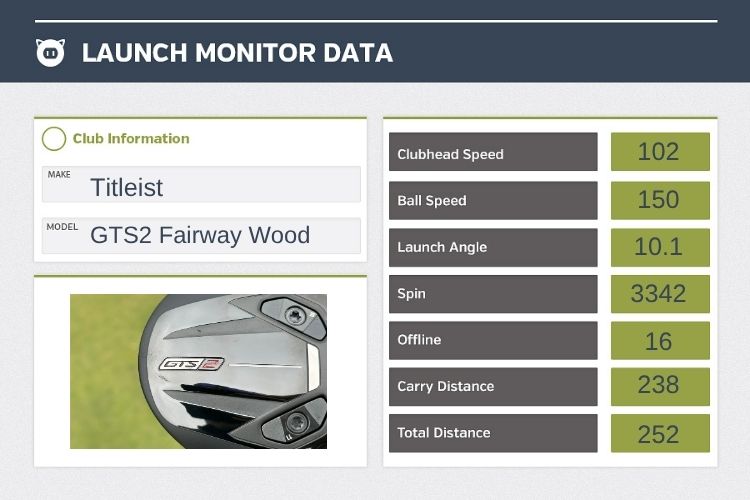
The first option he gave me was the traditional 3W at 15 degrees. This was us checking a box – he saw the 4W in my bag and knew I needed more loft to optimize my distance. He skipped past the 16.5 degree 4W and went straight to the 18 degree 5W. As you can see in the graphic below, I was still launching this on a very strong, flat trajectory with moderate spin. Using less loft would actually cost me distance. Once more for those in the back: sometimes less loft means less distance, not more.
After a little tinkering with shaft options – length, model, and weight – we locked in a fully stock 5W as the best Titleist GTS2 fairway wood for my game.
Performance
Quick note for those that skipped the last section: the numbers above are for an 18 degree 5W, not the normal 15 degree 3W.
Much like the drivers, the GTS fairway woods feature even more composite than their GT counterparts. Titleist calls this a “Wraparound Composite Crown.” If you go to a Titleist fitting, ask to see the exploded pieces of the head. It’s jarring how little weight is in the crown and perimeter of this club. All this weight saving allows for the low CG and Dual Weighting System.
Let’s start with the low CG. Per Titleist, it “produces faster speed, higher launch, and lower spin.” In my testing, every part of that rang true. Despite the added loft, the GTS2 FW produced elite smash factors and ball speed. Also, the spin was controlled. I thought I might see the occasional weak, floaty shot, but that wasn’t the case. Even at 18 degrees, I wasn’t seeing high launch, but the added loft did help to get some air under the ball more consistently.
Everyone expects a Titleist club to be excellent on a perfect swing, but the Titleist GTS2 fairway wood impressed me with its predictability. The head stayed stable on mishits, keeping shots fast and on their intended line. Thin strikes got airborne. Most impressive to me was the spin consistency. From thin to pure, toe to heel to flush, I saw very similar ball flights. What I saw on the range was confirmed on the launch monitor: the spin numbers were robust across a huge range of strikes.
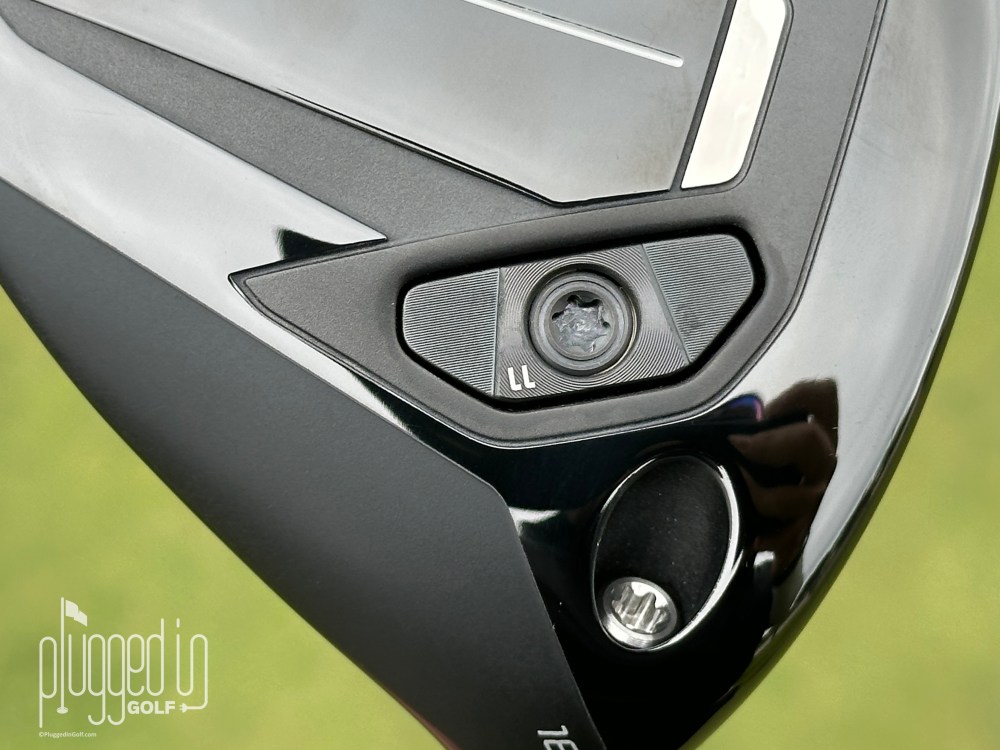
Something new for the Titleist GTS2 fairway wood is the Dual Weighting System. Moving weight left and right used to be reserved for the “3” model but not anymore. In my GTS2 FW, I have weights of 5 and 11 grams. Titleist does not make additional weights available to the public, but you can experiment with a variety of weights in your fitting. In testing with my GTS2 FW, I found that swapping the 5 and 11 made a modest difference in shot shape. It’s not going to erase your slice, but it can provide a little insurance against the worse misses.
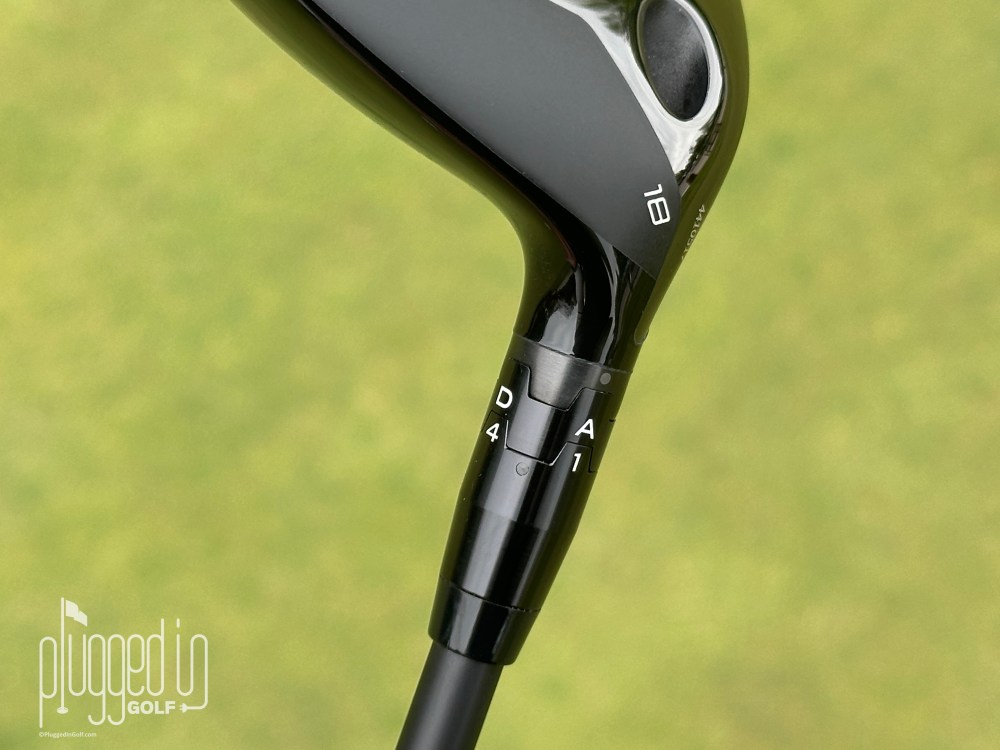
More dramatic adjustments can be made with the SureFit hosel. This time-tested adjustment system has 16 settings, allowing golfers to remove 0.75 degrees of loft or add up to 1.5 degrees. You can also modify the lie and face angles. With the combination of the SureFit Hosel and the Dual Weighting System, you can go a long way toward making the Titleist GTS2 fairway wood hit the exact trajectory and shape that you prefer. [See Price / Buy]
Conclusion
Meeker and I may have failed in our predictions, but Titleist succeeded in building a fairway wood that makes it easy to elevate the ball and send it a long way. For players looking to reach more par 5s and long par 4s, the Titleist GTS2 fairway wood is a powerful tool with more than enough adjustability to dial in the perfect fit. [See Price / Buy]
Designed for the golfer who wants maximum playability, GTS2 fairway pairs a larger profile with a shallower face to promote easier launch and added confidence. Now with lower CG and higher stability, GTS2 is ideal for players with a more sweeping swing—or anyone who tends to make contact low on the face
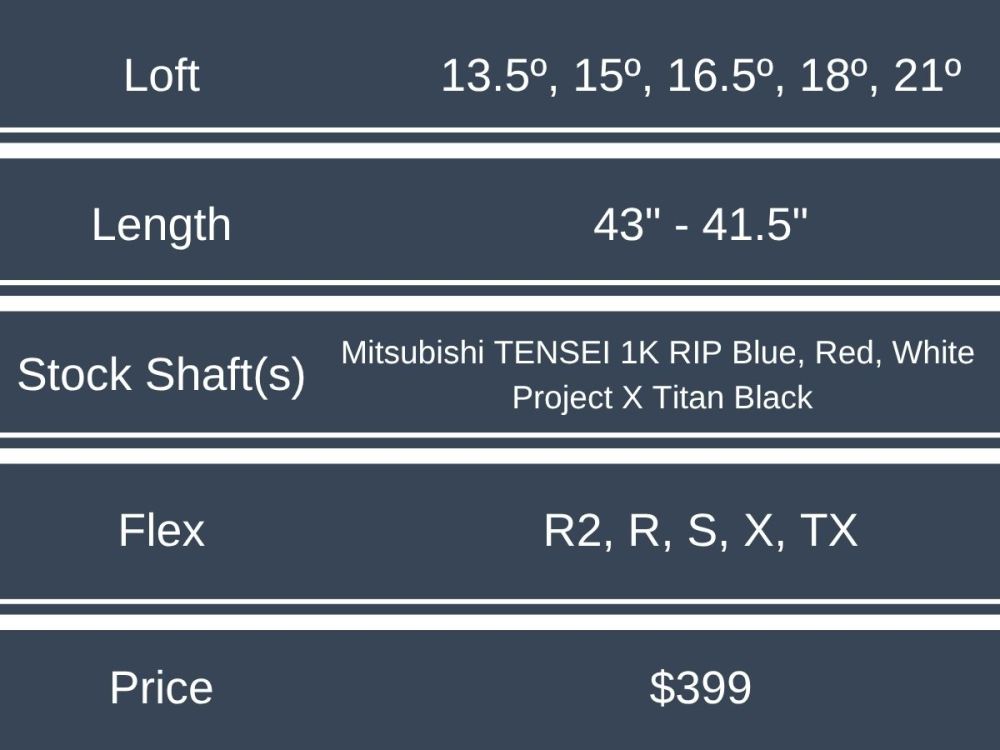
Titleist GTS2 Fairway Wood Price & Specs

He founded Plugged In Golf in 2013 with the goal of helping all golfers play better and enjoy the game more.
Matt lives in the northwest suburbs of Chicago with his wife and two daughters.
- Aldila Rogue ∞ Blue Shaft Review - October 9, 2026
- Avoda Golf W2 Wedge Review - October 8, 2026
- SlackBoard Review - October 7, 2026






Join the Conversation | 6 Comments
Nice review. I’m very curious now to see how this compares to my Quantum 3 & 5W because they are just cannons.
Really enjoyed the review, Matt.
I had my Titleist fitting last week, and was fitted into a GTS2 3 wood. My miss with fairway woods is a hook — and the winning set-up wound up giving me something I really don’t think I’ve ever seen before: A ball flight that’s almost perfectly straight, and falls left. (I’m a lefty, so that’s a fade. Barely, but … a fade.) As someone who pretty much exclusively plays a draw and struggles to shape the ball the other way, it was awesome to see, and gives me something my driver can’t.
The winning set-up wound up being an adapter setting that’s -0.75 degrees (so, 14.25) and flat. The fitter went +2g of weight overall, but also reduced the second weight from the stock 5g to just 3g. So we went 15g in the toe, 3g in the heel.
I was also seeing 100-105ish peak height and 238-239 carry. I don’t have Matt’s speed! But it is about 6-7 yards more than I’ve seen in the past from even well-fitting 3Ws. I think mini-drivers are awesome, but with my driver carrying 262ish on good strikes, that 238-239 number makes 3W more viable as a club that gaps logically, that I can hit off the tee when I’m trying to stay short of some trouble. The third-longest club in my bag is a hybrid that carries 220, so the gapping works out. My fitter and I looked at higher-lofted fairway woods, but he also looked at the numbers I was getting with my hybrid and said it was really optimal and I really just shouldn’t mess with it.
I’m sharing this because I was amazed at just how much control over ball flight the fitter was able to exert through the combination of the adapter settings and the adjustable weights. My driver fitting was great too, but I think the fairway wood portion of the fitting is what tells the real story about the benefits golfers can realize through a great fitting.
Great to hear, Eric! Enjoy the new stick.
Best,
Matt
Great review. I was in the market for a 21degree. Fitter put me into a gts model with a titan stiff 70. Absolutely loved the stability. Ball speed for me was a consistent 135 and carry was hovering around 215-220. Absolutely loved the feel and controllability. Ordered it immediately. Bye bye 4 iron.
Great review Matt, I do like the silver face but am not a fan of the larger and shallower clubhead profile but that may change once I see the club in real life, I have a steep AoA with my FWs and hybrids so shallow faced clubs from Ping and Callaway have never been an optimum fit for me.
I’m going to chime in here John. Make sure you take a look at the GTS3 fairway – the design might fit your eye and swing a bit better. My review will be up in the coming days.
– Meeks