
The Best Putters of 2026
Whether you’re heading into your golf offseason, just getting ramped up, or something in between, every golfer is always looking for improvement on the greens. With that in mind, we partnered with Club Champion’s founder, Nick Sherburne, to discuss the biggest trends and the best innovations in putters.
Check out 2026’s biggest trends in drivers HERE and biggest trends in irons HERE
Biggest Trends in Putters in 2026
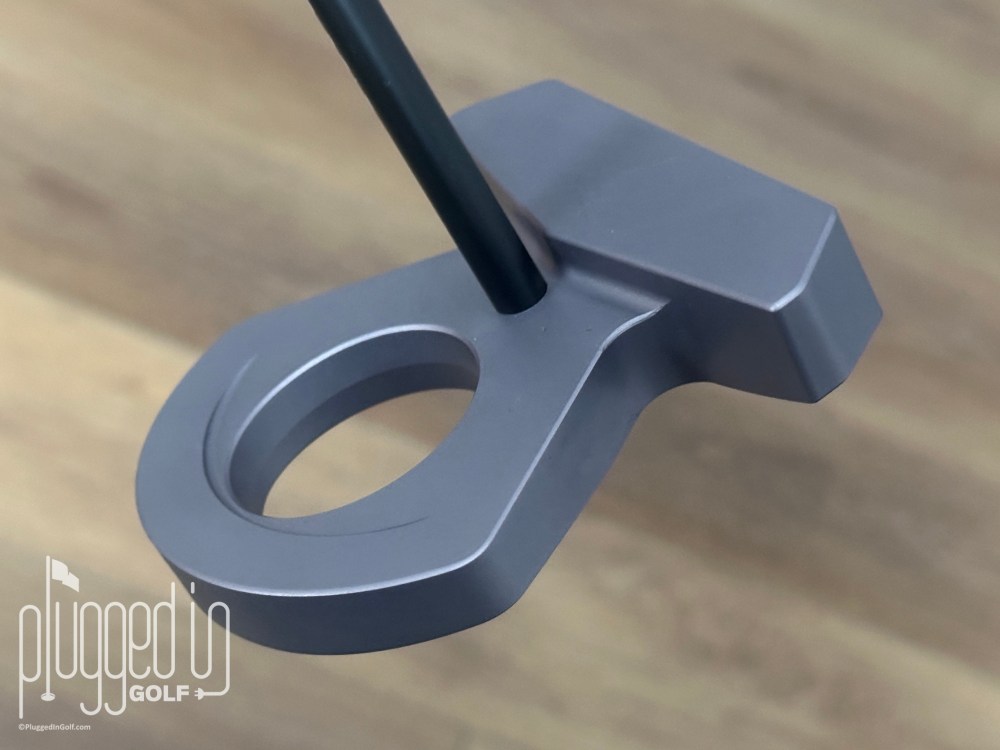
You don’t need to be an industry veteran to know the biggest trend in putters. For at least the second year running, it’s low and zero torque putters. By this point, virtually every OEM has zero torque options, and they represent a huge percentage of the new putters released this year.
That doesn’t mean that zero torque is the only story on the greens. Nick identified another important trend: OEMs finding more ways to bring stability and forgiveness to traditional heads. Multi-material construction is just one of the ways that blades and traditional mallets are able to stay relevant against the modern mallet shapes. Additionally, he pointed out that putters are getting more loft and lie adjustability, and that heavier, more stable counterbalanced and broomstick putters are gaining in popularity again. Finally, he said that manufacturers are offering more hosel and sightline options, a great trend for fitters and golfers alike.

Top Selling Putters in 2026
Unsurprisingly, zero torque putters have dominated the sales data at Club Champion this year. Within that category, L.A.B. Golf remains the biggest player with Odyssey’s Square 2 Square line and Scotty Cameron’s low torque models gaining traction. Nick also highlighted growing momentum behind PXG’s highly customizable putters and Bettinardi.

Best and Most Innovative Putters of 2026
Nick’s answer to this question went in a direction I wasn’t expecting. He chose as the biggest innovation the ability of OEMs to make low and zero torque putters more attractive. The L.A.B. VZN.1i [review HERE] was called out specifically as a leader in this regard. He also highlighted PING’s Scottsdale TEC Ally – the putter Wyndham Clark has raised to prominence – though that’s not a putter I would classify as “attractive.”
Two other brands that received mentioned from Nick are Chamber for their Justice mallet’s unique approach to alignment and Axis1 for their Stroke Profile technology. This combines zero torque with adjustable weighting that can influence the putter’s toe flow. While many believe and and promote the idea that zero torque eliminates the concept of toe flow or arc entirely, Axis1 seems to see the two ideas working together to help golfers perform better on the greens.
Zero Torque Putters – Here to Stay?
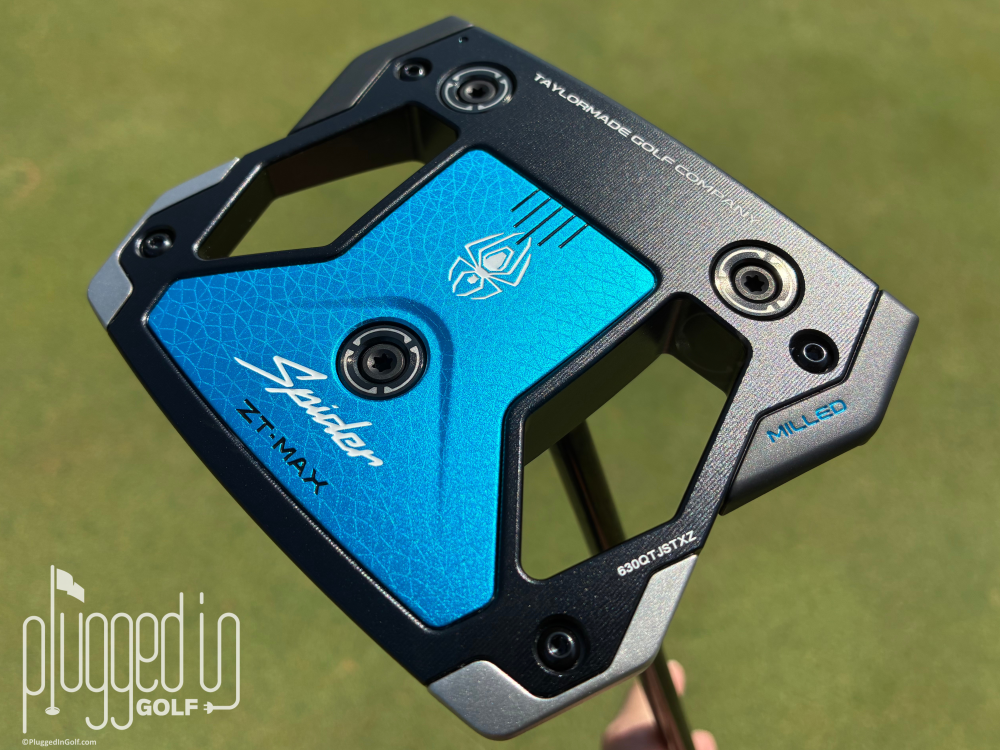
Nick was definitive on this, saying “It’s real. I don’t believe it’s a fad. Zero torque can be extremely effective for golfers who struggle to control face rotation during the stroke – and that describes a lot of recreational golfers.” I’ll add that, given the success zero torque has seen at the highest levels of the game, it’s not just a “crutch” for weak players, either.
While clearly a supporter of the new technology, Nick was quick to point out that zero torque is not automatically better for everyone. Many players are very good at controlling face rotation, and taking away or minimizing it is not helpful for them.

Who Does Zero Torque Best?
Obviously, the first name out of Nick’s mouth was L.A.B. Golf. While we can argue about who did zero torque first, they are inarguably the biggest force in bringing it to the golfing masses. They also continue to innovate in this space with new head shapes, face inserts, grips, and more. Nick also noted that Odyssey “has done a really good job making the concept approachable for golfers coming from more traditional putters.”
You’ve seen throughout that Nick has been careful to reference zero and low torque putters. He noted here that Scotty Cameron and PING have staked out positions offering low torque putters, which he sees as a sensible middle ground for many players. The goal is not to zero out torque, the goal is to give players a putter with which they can make putts.
I think Nick’s closing comment on this question deserves to be published whole, because it’s a good reminder for all of us. “Where I think companies can miss the boat is focusing entirely on torque and forgetting everything else that makes someone love a putter. Feel still matters. Sound matters. Alignment matters. Setup matters. Shape matters. A putter can be incredibly stable, but if the golfer hates looking at it or can’t control speed with it, it’s probably not staying in the bag.”

Fitting Zero Torque Putters
Nick referred to zero torque as “another tool in the toolbox,” not the be all, end all of putter fitting. He stated that the fitter still needs to start by understanding, “how the golfer aims and delivers the putter and evaluate shape, length, lie, loft, weight, toe hang, alignment and feel.” From there, the fitter can give the player a zero or low torque putter and see how they react to it in terms of start line and distance control. If those things don’t improve, “there’s no reason to force someone into zero torque simply because it’s the hottest category in putters.”
What Are Reverse Face Balanced Putters?
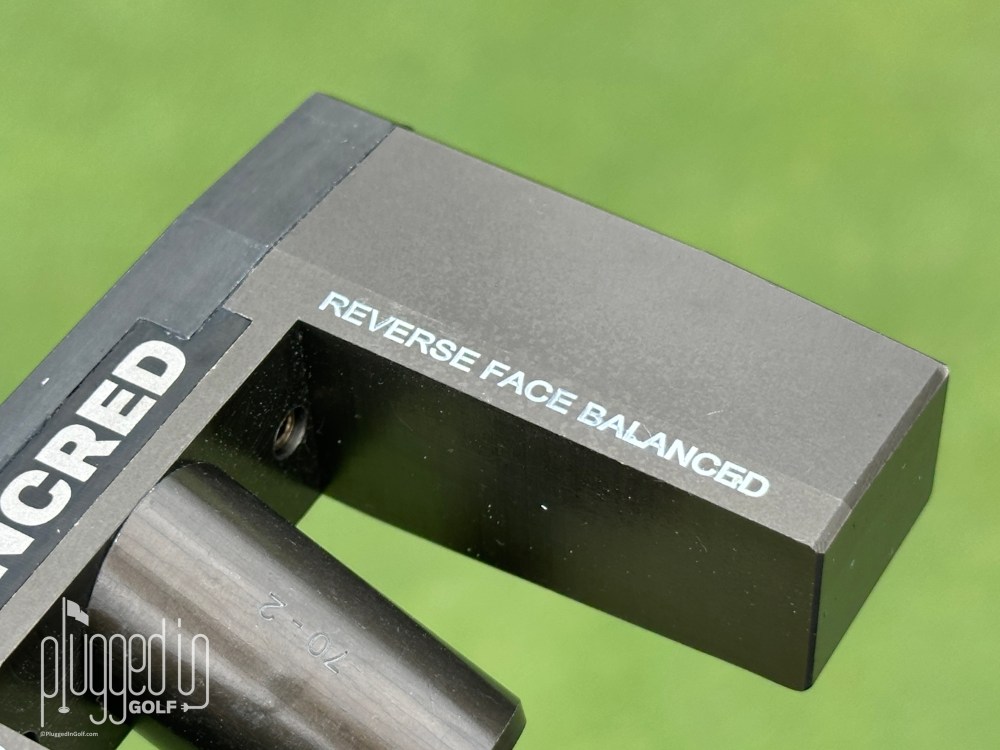
This is a newer trend that attacks the same problem – unwanted face rotation – from a different perspective. “With a true zero-torque design, the goal is to minimize the head’s tendency to rotate. Reverse face-balanced designs take a different approach by creating a different rotational bias in the head.” Nick says both concepts are “interesting” but went back to a familiar theme: fitting. He encouraged golfers to try all the available technologies and let the data tell them which one works best.
Check out two pioneers in this space, the Incred Putter HERE and the Performance Golf RS1 HERE.

High End Putters Shafts – Hype or Game Changer?
Nick said the a “growing percentage” of golfers are being fit into high performance putter shafts, but it’s not something they suggest for every player. He said that where he really sees these shafts making an impact is with distance control and eliminating three-putts. “The lower-torque construction and added stability…can help create more consistent delivery and ball speed across different strikes.” This can lead to more predictable distance control.

The Key to a Great Putter Fitting
Whether they choose to go zero torque or not, Nick said that the single thing most golfers ignore when buying a new putter is distance control. He sees golfers getting “obsessed with whether they’re starting the ball on line” and ignoring the problem of leaving a 30-footer six feet short. “Putter fitting has to be about more than face angle. Head weight, total weight, length, loft, lie, shaft, feel and even what the golfer sees at address can influence how consistently they control speed. Starting it on line gives you a chance to make the putt. Controlling distance keeps you from giving shots away.”

He founded Plugged In Golf in 2013 with the goal of helping all golfers play better and enjoy the game more.
Matt lives in the northwest suburbs of Chicago with his wife and two daughters.
- The Biggest Trends in 2026 Putters - October 26, 2026
- Dixie Red Hills Golf Course Review - October 23, 2026
- Foresight GC2 Launch Monitor Review - October 20, 2026