

50 Words or Less
The TaylorMade Qi4D driver, the core model of the Qi4D family, is designed to provide an optimized blend of distance and forgiveness. Strong ball speeds, consistent results. Great looks, sound, and feel. Impressive amount of meaningful adjustability.
Introduction
Seeing TaylorMade-sponsored PGA and LPGA tour players playing the new Qi4D woods leading up to the official release was a welcome sight. That response was from seeing so many staffers stick with the Qi10 instead of the switching to the Qi35 last year. They clearly hadn’t achieved the improved performance with the Qi35 that I had [check out my full review HERE]. With anticipation for what the new TaylorMade Qi4D driver might deliver, I eagerly waited for my dog to announce that the FedEx truck was finally here. As I slipped off the sea blue headcover I thought to myself, “Game on.”
Looks
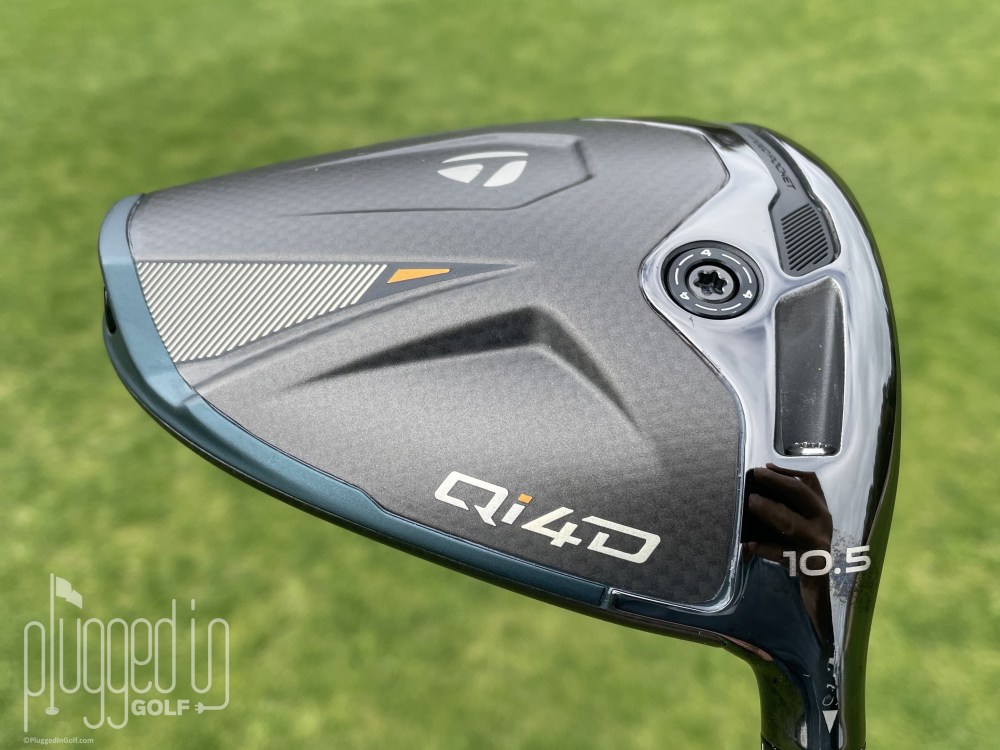
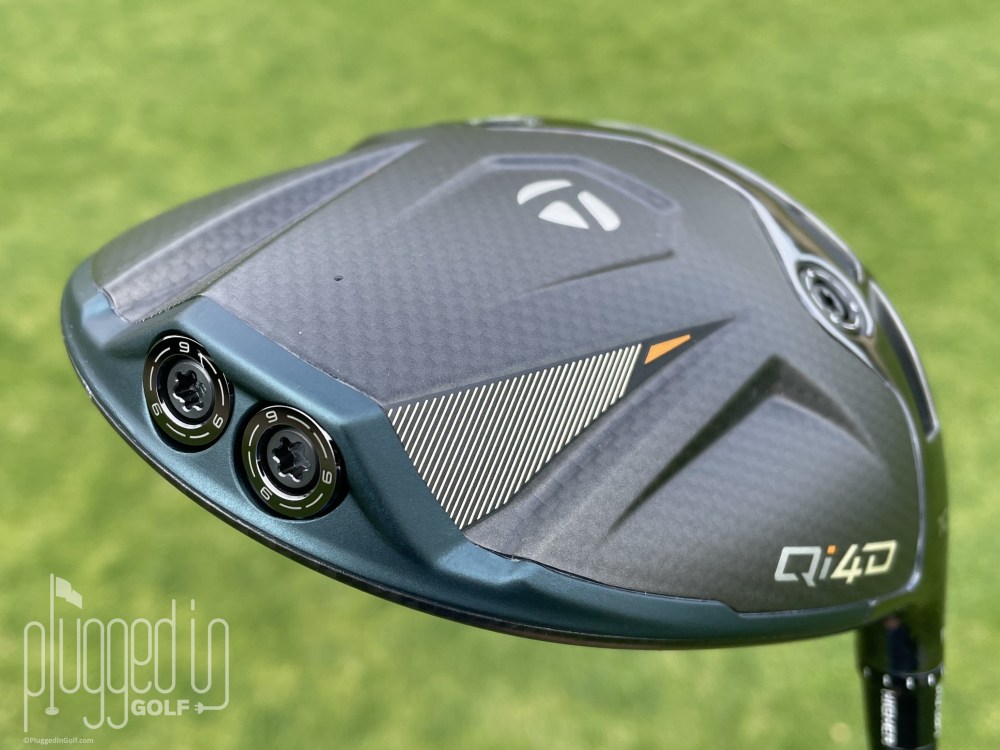
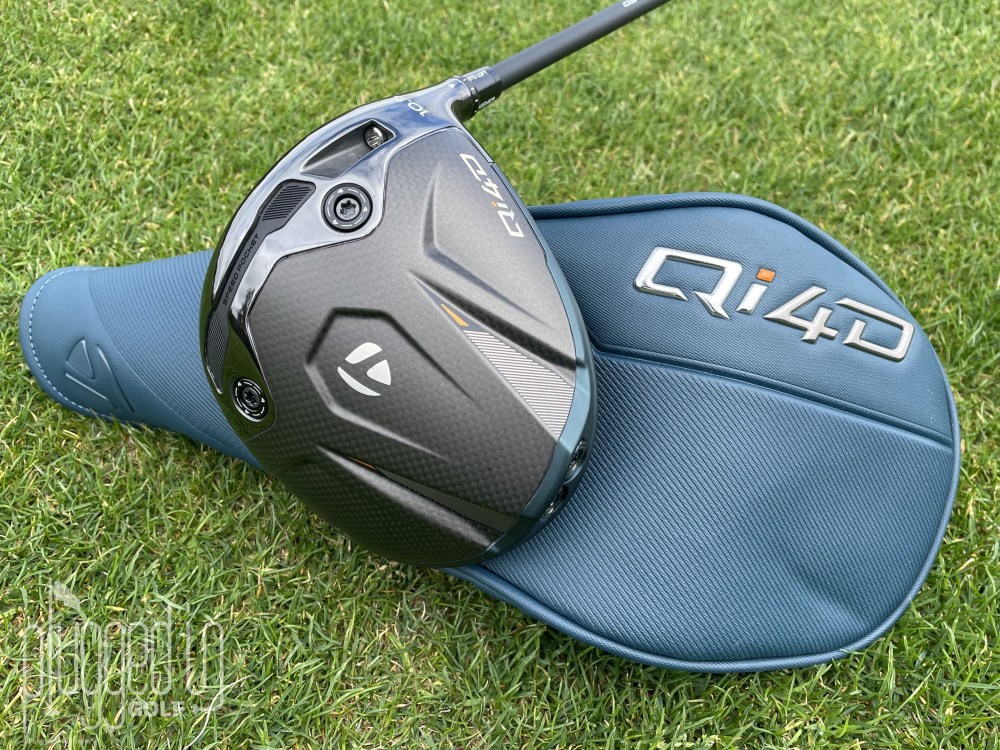
That initial reaction stemmed from discovering the two weight ports on the trailing edge after seeing the two ports adjacent to the Speed Pocket. To my eyes, this system is much cleaner than a sliding weight. Adding to the visual appeal is the simple logo “T” in the center of the sole and the two small orange segments. [See Price / Buy]
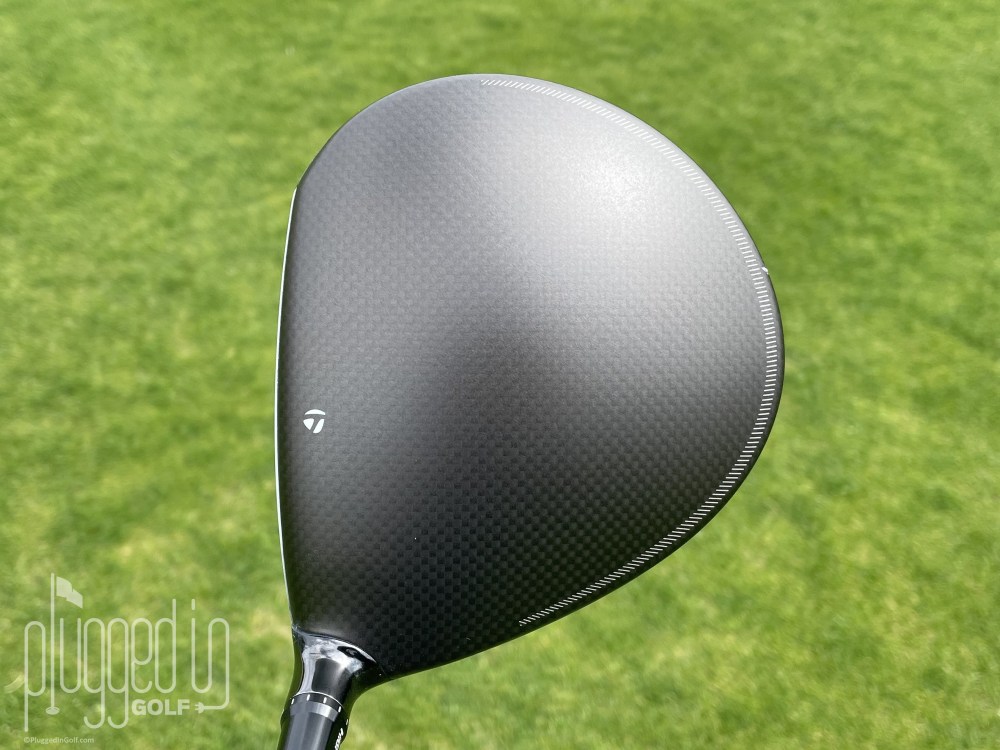
At address, the TaylorMade Qi4D driver has a lovely round, slightly toe-centric, shape. While some drivers on the market look voluminous, the Qi4D has a more player friendly stance. You can see from the photo below how the core model has evolved much from the Qi10 (left), to the Qi35 (middle), and to the Qi4D.
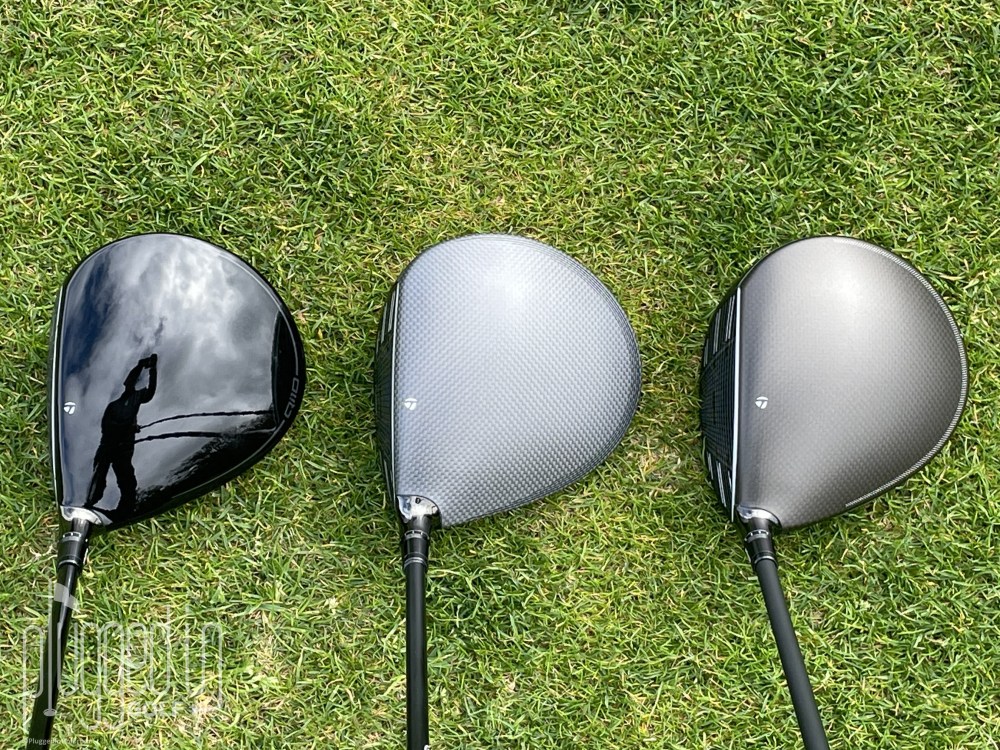
The big difference is in the crown finishes, and the matte black finish of the TaylorMade Qi4D driver is the winner in my book. Having the carbon fiber weave less visible also gives the Qi4D crown a more high-end look.
Sound & Feel
That “game on” reaction was ratcheted up a notch with my first hit – the sound was fantastic. The staccato ‘crack’ that the TaylorMade Qi4D driver produced sounded clear and powerful. Volume wise I’d place the sound ever so slightly above average – a 5+ on a 0 – 10 scale.
My field note on impact feel was “firm and fast.” I discovered over time that truly centered contact was rewarded with a pop sensation. Feedback on strike location was evident but subtle. Overall, the sound and feel of the Qi4D were perfectly matched and highly satisfying.
Performance
After a dozen hits with the TaylorMade Qi4D driver at Club Champion, I declared “sold” to the fitters within earshot. I had warmed up with my gamer Qi35 and knew with a few glances at ball speeds that the Qi4D was simply better. That, and watching every ball fly high and straight down the graphic fairway. [See Price / Buy]
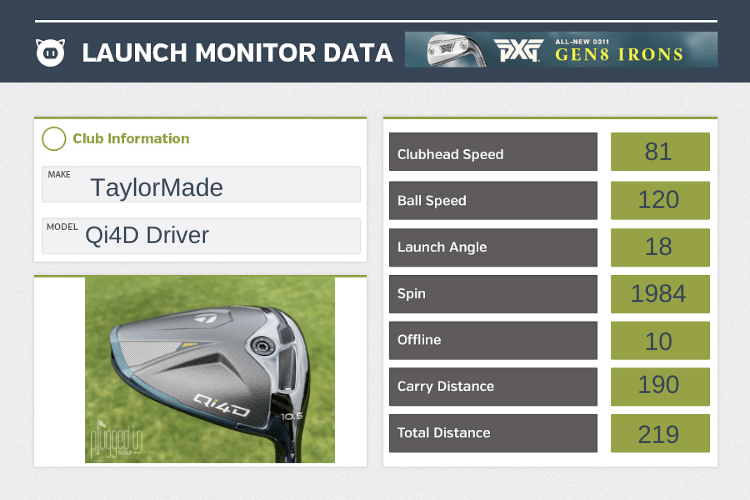
When Master Fitter Jason Heintschel pulled up the full array of performance data, he confirmed my observations: ball speed average was up nearly 2 mph, and dispersion was notably tighter for the TaylorMade Qi4D driver versus the Qi35. With launch angle up half a degree and spin ever so slightly lower, I had picked up 7 yards of carry and 6 yards total. I don’t know about you, but a half club gain for my second shot is huge for me.
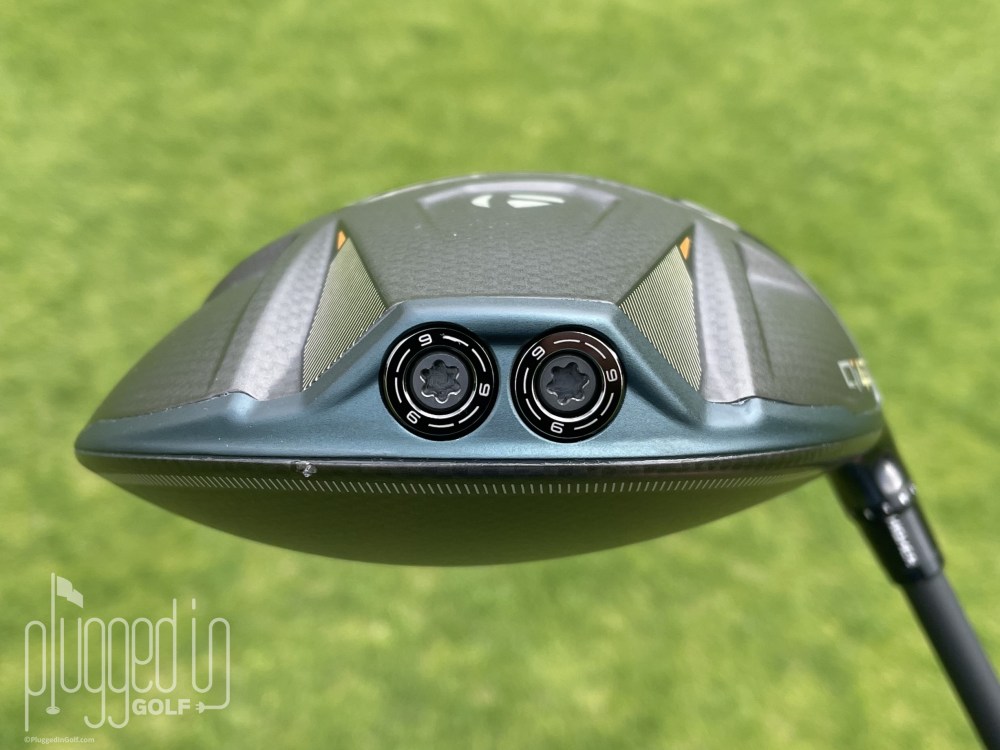
The numbers in the graphic and mentioned above are with the weights in the stock position: 9 gram weights in the back, 4 gram weights behind the face. The weight port system (TaylorMade calls it the Trajectory Adjustment System) offers four distinct setups: highest forgiveness (stock), maximum distance, fade, and draw. For maximum distance the 9 gram weights are positioned forward to lower launch and spin.
With that setup my launch went down, but my spin actually went up – opposite of the prescribed effect. I’ve run into this before and Jason, who’ve I’ve worked with for years, reminded me I’m “Mr. Opposite.” In the fade position (9 grams weights on the toe side) my results were all 20 -30 yards right of center. I had mixed results with the draw positioning (9 gram weights heel side). Bottom line is the Trajectory Adjustment System offers meaningful and impactful adjustability. Add in the 4° loft sleeve adjustability and the TaylorMade Qi4D driver provides a wealth of options for golfers to dial in their ball flight.
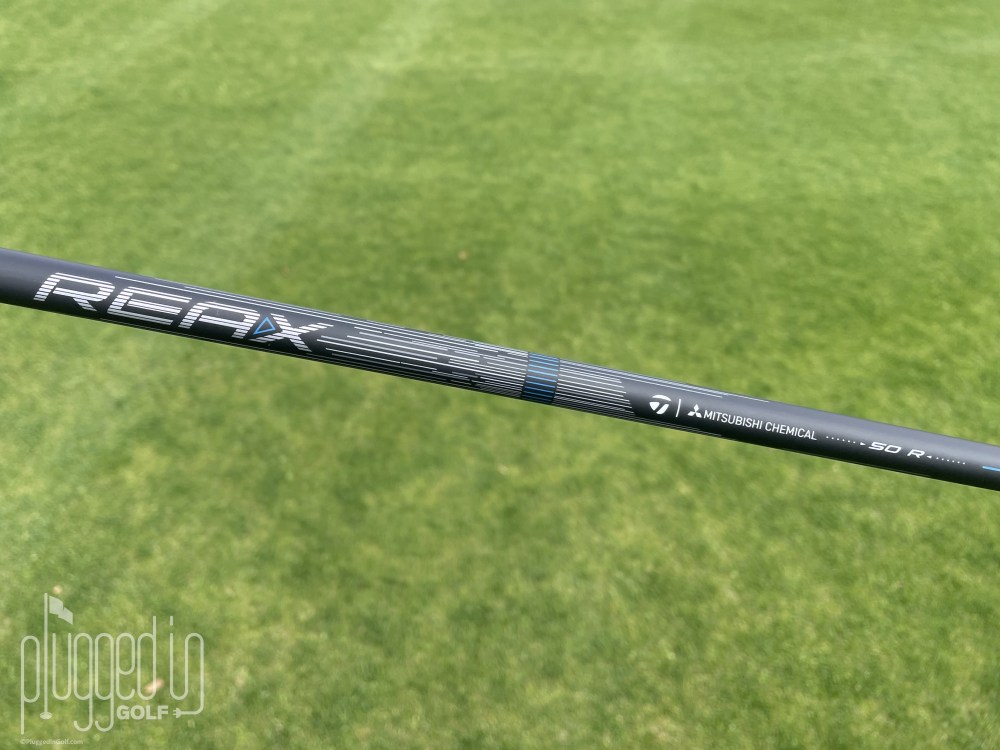
While on the subject of stock, it needs to be stated that the TaylorMade Qi4D driver’s stock REAX shafts are really good. When I substituted my gamer Mitsubishi Vanquish shaft [review HERE] into the Qi4D head, my results were very similar to the stock REAX Blue. Not surprisingly, the REAX shafts are made by Mitsubishi. Jason reported similar findings with the REAX White.
The genesis of the REAX shafts stems from TaylorMade analyzing over 11 million driver shots over the past two decades, and concluding golfers fall into three “rotation” groups: high, mid, and low. With that, and teaming up with Mitsubishi, TaylorMade engineers created three distinct shafts – red, blue, and white – to match the rotation profiles. Unfortunately, the Qi4D driver web pages don’t explain how to determine which rotation you fall into. Fear not faithful readers, the answer can be found on this dedicated page – LINK. Fundamentally it boils down to how much club head rotation you deliver in the impact zone. TaylorMade states that “(t)he majority of golfers have a medium amount of club head rotation as they deliver the club to the ball.”
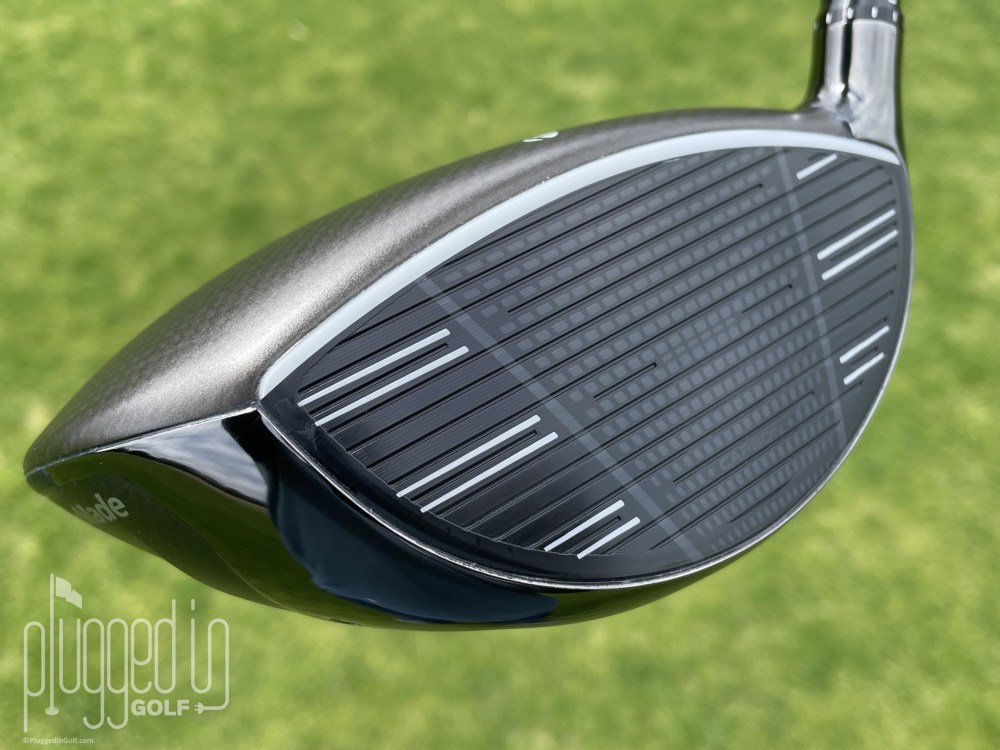
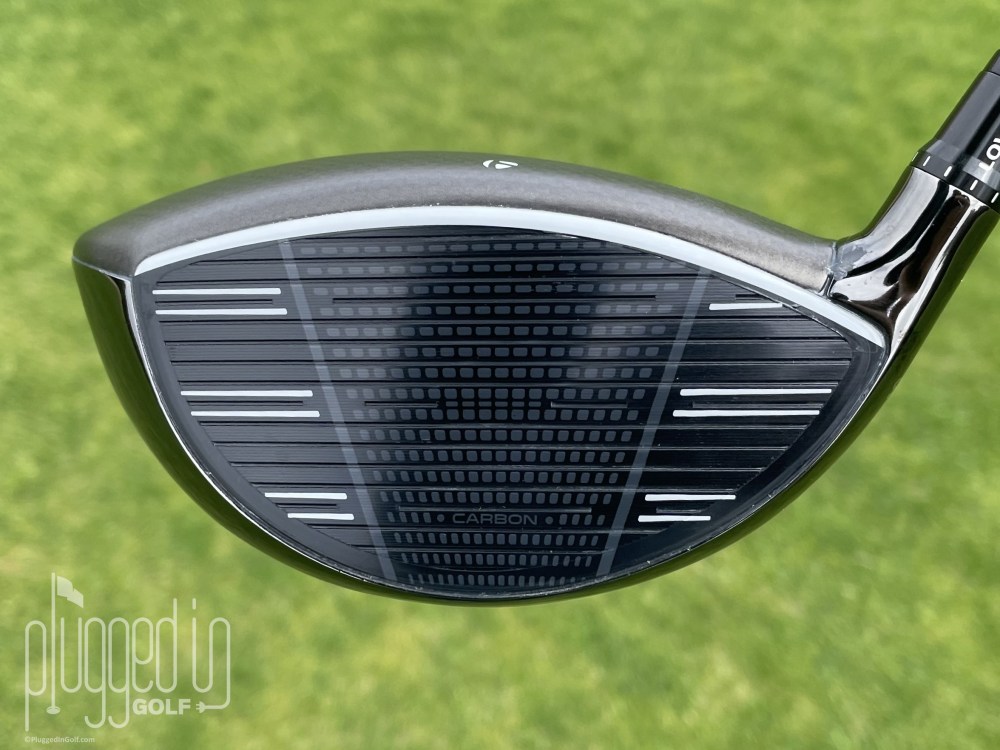
Two updated technologies on the TaylorMade Qi4D driver deserve mention: the 60x Carbon TwistFace and the Speed Pocket. The face features a new roll radius (curvature from top to bottom) that “tightens spin rates at different vertical contact points.” TaylorMade also modified the face to narrow dispersion with strikes towards the heel or toe. And for those with good memories, TaylorMade also states that the Qi4D face is “more durable than the faces in the previous generation.”
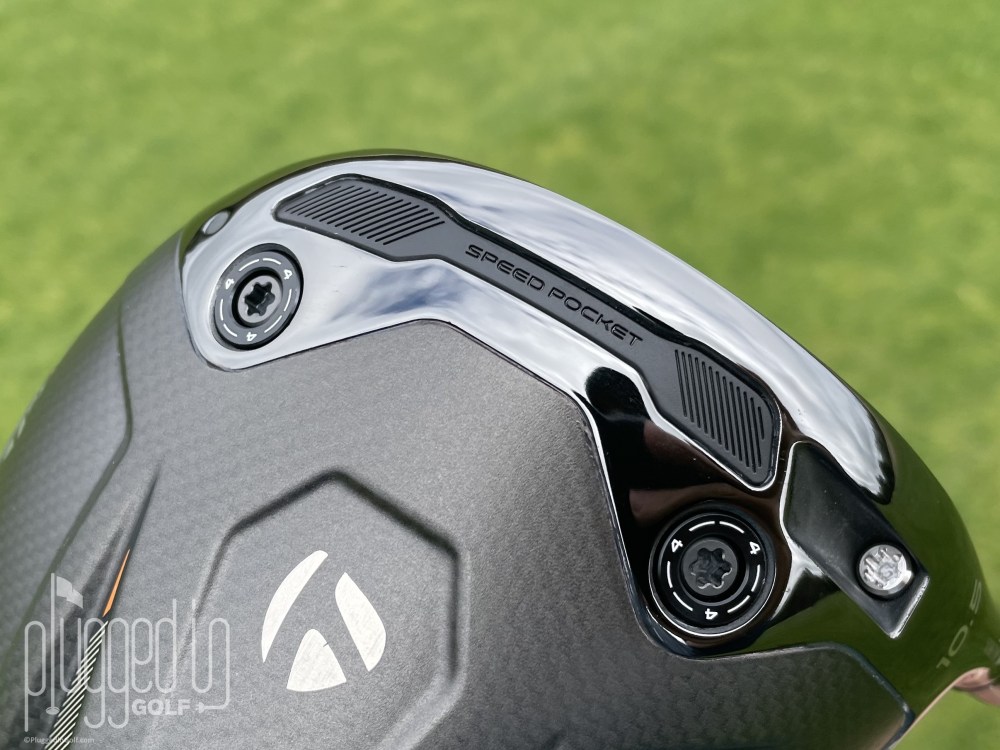
As for the revamped Speed Pocket, the redesigned cut-through helps reduce overall spin and preserve ball speeds on low strikes. Those attributes also sound favorable for golfers who occasionally like to go DOD (driver off the deck).
Conclusion
I like everything about the new TaylorMade Qi4D driver. The look is top shelf. The sound and feel are wonderful. And my performance metrics were simply excellent. The Qi4D went straight into my bag. TaylorMade proclaims that the Qi4D is the “perfect blend of speed and forgiveness off the tee,” and it certainly was for me. For stronger golfers seeking more speed, check out the TaylorMade Qi4D LS [review HERE]. And if forgiveness is your primary need, give the Qi4D Max a look [review HERE]. The bottom line is that the Qi4D driver family deserves a close look for any golfer looking for a new driver in 2026. [See Price / Buy]
TaylorMade Qi4D Driver Price & Specs
Who’s It For: Golfers who want maximum speed and distance with customizable performance, ideal for players seeking advanced adjustability and consistent ball flight.

- Bettinardi BB49 Putter Review - March 24, 2026
- TaylorMade Qi4D Driver Review - March 12, 2026
- XXIO 14 Hybrid Review - March 10, 2026





13 Comments
Hey Matt, and congratulations on the new driver.
Normally, I do not pay attention to “straight in the bag” declarations. However, I always respect your insight and reviews and put your input higher than your typical reviewer. If this driver went straight into your bag, I might have to consider one as well, even if I already have a gamer.
Thanks for reading Michael. You reminded me I needed to update my WITB page.
– Meeks
I’m assuming by the pictures, the club you tested was 10.5 degree loft. Did you make any adjustments to the loft for your testing or did you just leave it at 10.5 degrees? I will be upgrading to the Qi4D from my SIM2, but with a Graphite Design Tour AD-BB shaft which I’m currently using in my SIM2.
I test in the stock settings. And yes, 10.5° loft.
– Meeks
From the photos it appears you were testing the 10.5 degree driver? With a swing speed of 81 mph, wouldn’t you hit it farther with a 12 degree driver? The spin numbers are great for someone who swings at 100 MPH? Also, it seems like the launch angle of 18 is pretty high for a 10.5 driver head? I’m totally confused by these numbers? Wouldn’t a little higher spin numbers give you more distance?
Thanks for reading Rich – but don’t over think the numbers. As you are clearly aware, there are many variables that impact distance, and the key is finding the combination that performs best for each person’s swing. For every “normal” parameter, like stated loft, there could be observable results, like higher launch. This is why it’s so important to work with qualified fitters.
– Meeks
Hi Matt,
This seems like a great fit for you. The weights in the back look a little different, but they grew on me each time I looked at your pictures.
Any chance you will be reviewing the Tour Edge Hot Launch Max driver and the MacGregor Tourney Max driver? They are lower priced options that seem to pack a lot of value n
Those aren’t on my radar for testing, but typically we cover all the Tour Edge products.
– Meeks
Thanks for the review with a relatable swing speed. Most reviewers are over 100 mph. Us slower guys are usually slighted when new clubs are tested.
The trajectory adjustment system looks hauntingly familiar to the 2006 R7 Superquad. Hilarius that what was novel in 2006 is new again exactly 20 years later. Would love to see a side by side comparison of a 20 handicap hitting both clubs 30+ times.
Matt – which shaft flex did you test?
Regular.
– Meeks
What made you choose Qi4D over Cobra DS-ADAPT MAX-D? Just wondering. Great reviews