

50 Words or Less
The Mizuno JPX One fairway wood blends speed and forgiveness into a package that is designed to work for a wide range of golfers.
Introduction
Historically, Mizuno has been known for its irons. With the JPX One line of drivers, fairway woods, and hybrids, the company wants to remind golfers that it also takes the long game seriously and convince skeptics that its offerings deserve to be talked about in the same sentences as those of the Big Four OEMs. Testing the JPX One lineup was my first experience with Mizuno. The driver and I did not become fast friends (check out my review HERE). Will the Mizuno JPX One fairway wood fare any better?
Looks
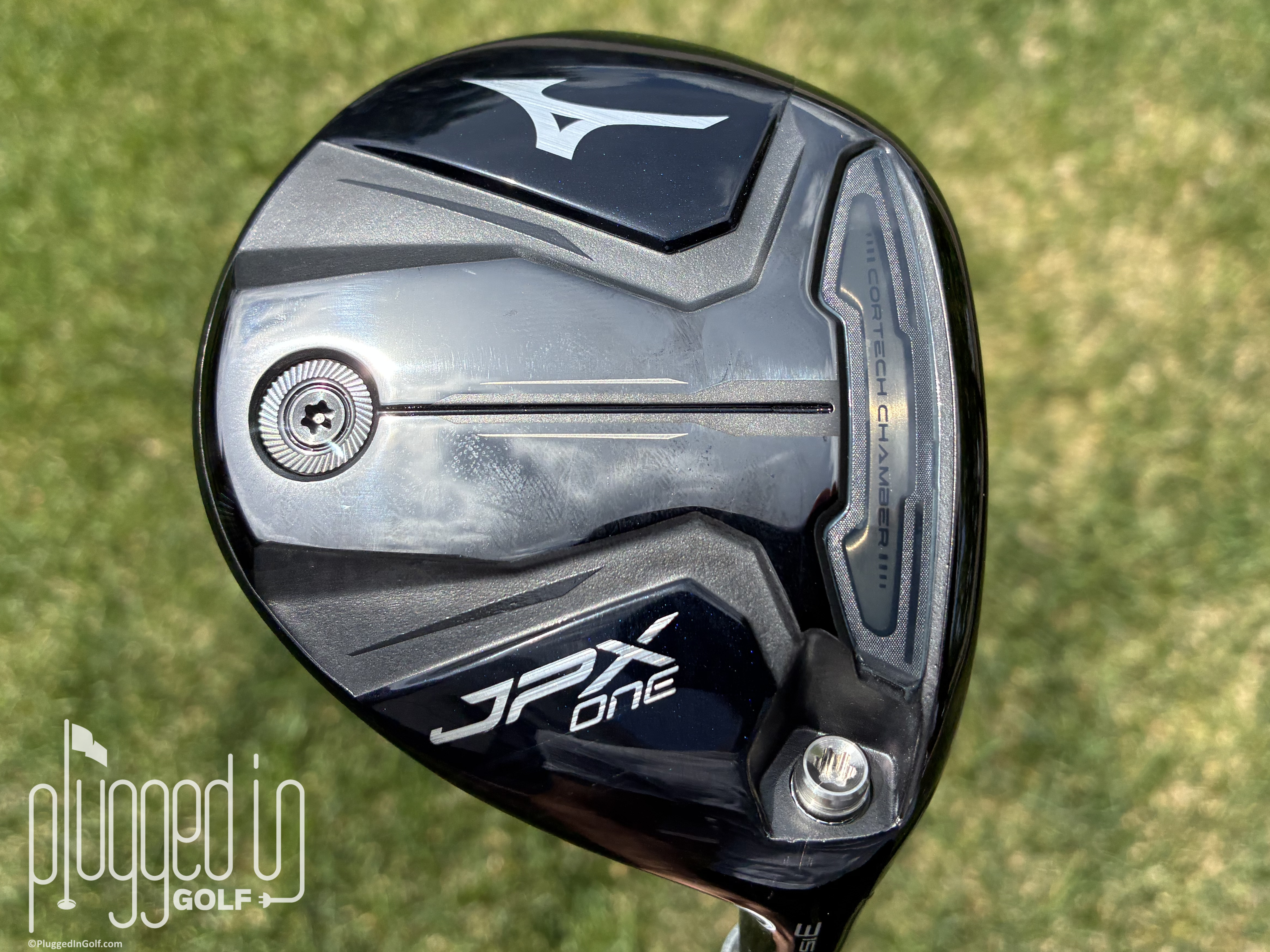
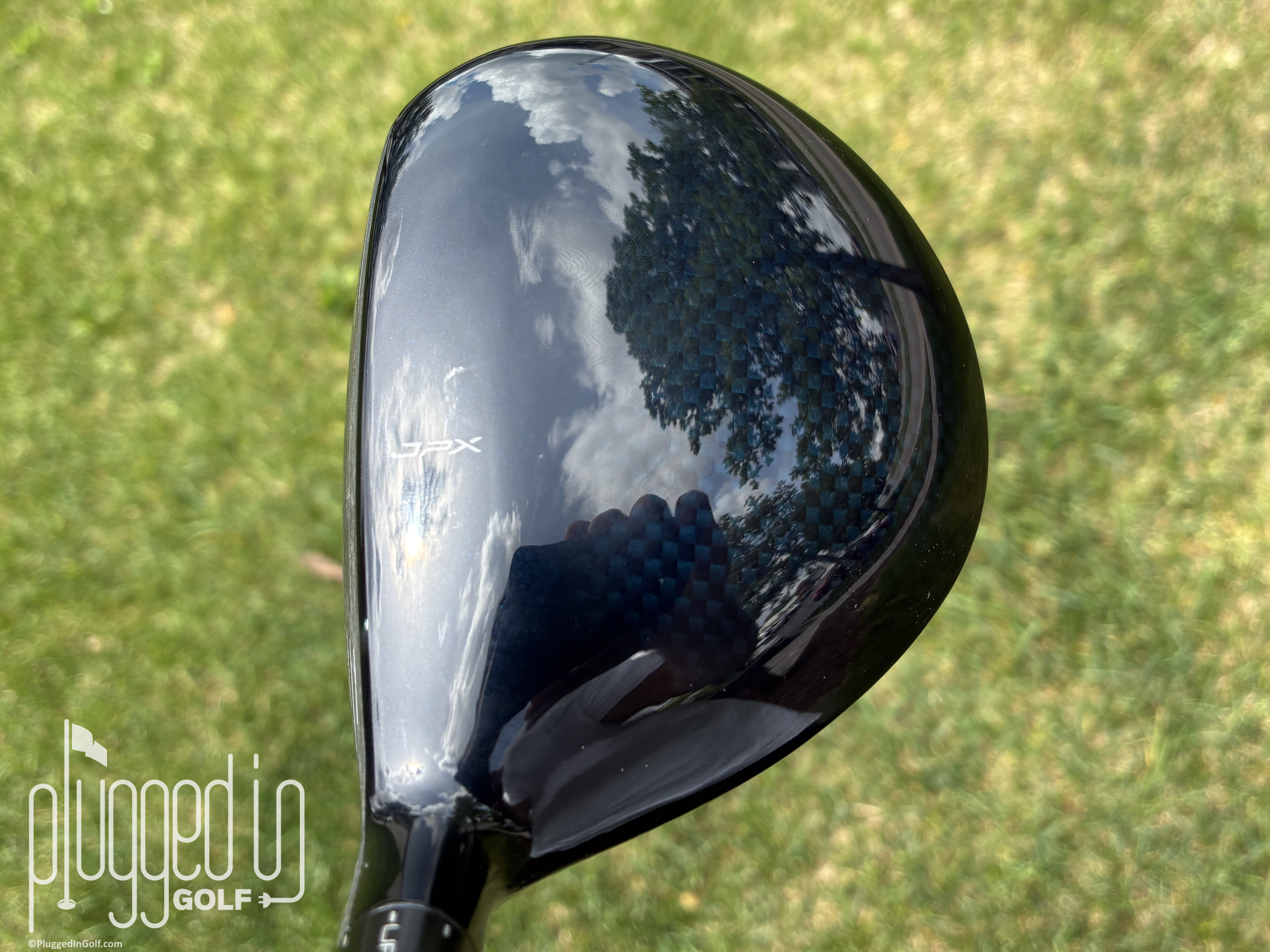
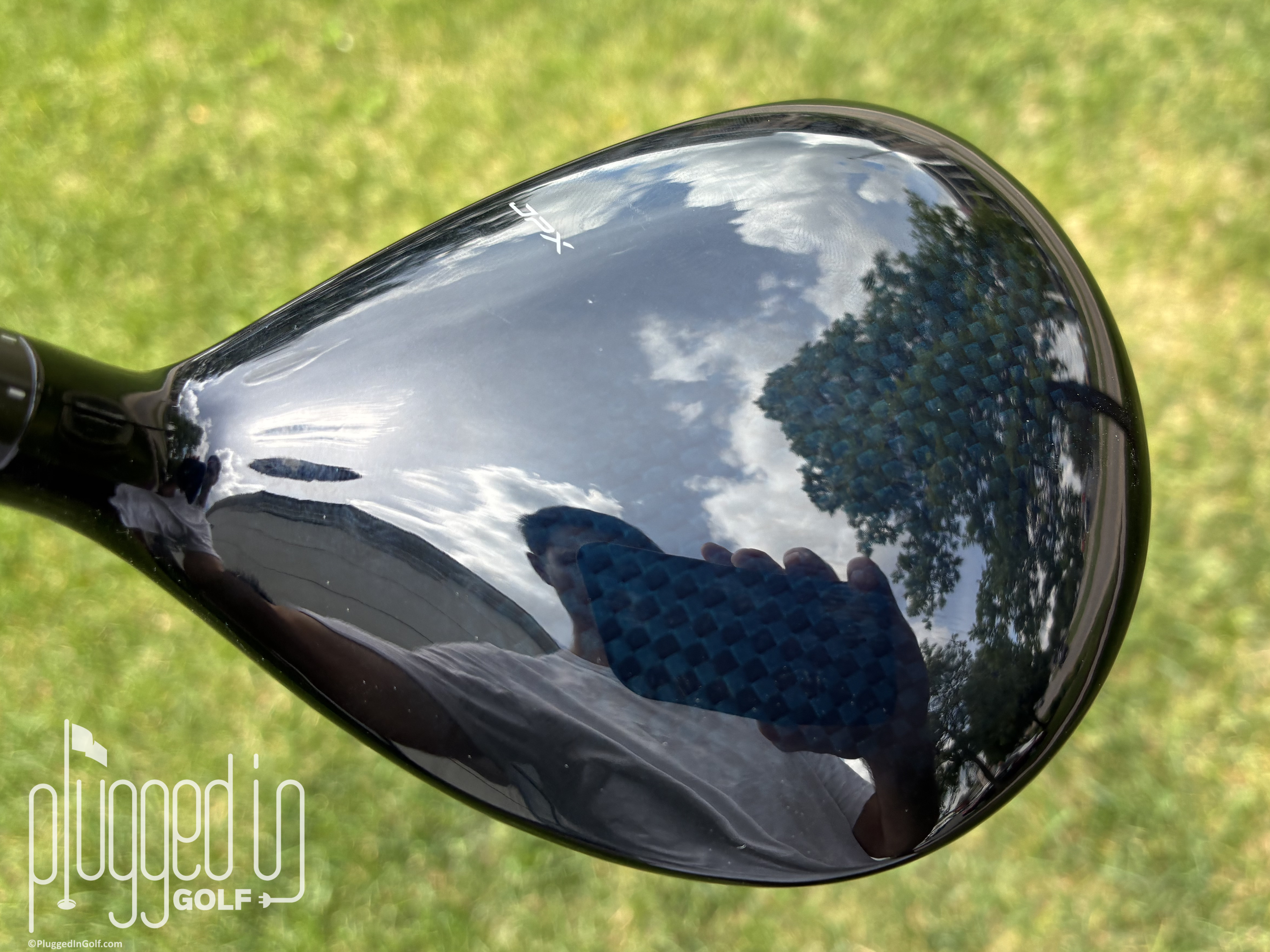
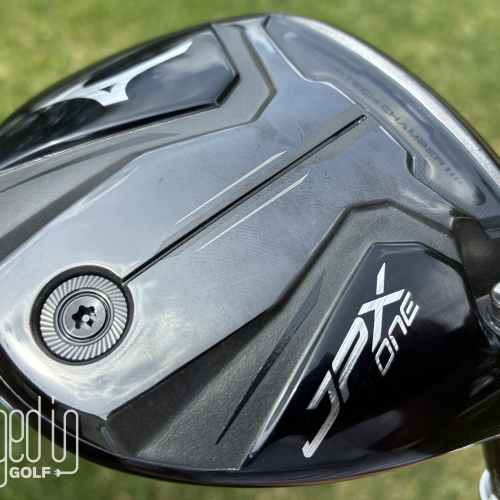
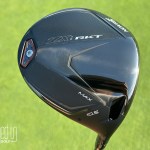
The Mizuno JPX One fairway wood has a moderate to large size and traditional rounded shape. There’s nothing about it that will be particularly off-putting to the average golfer. The color scheme is a deep pearlescent blue that has become synonymous with the Mizuno brand identity. While the color is objectively beautiful, not everyone wants to see something so distinctive when they address the golf ball. Personally, I appreciate that Mizuno isn’t trying to reinvent its visual identity with each new club release.
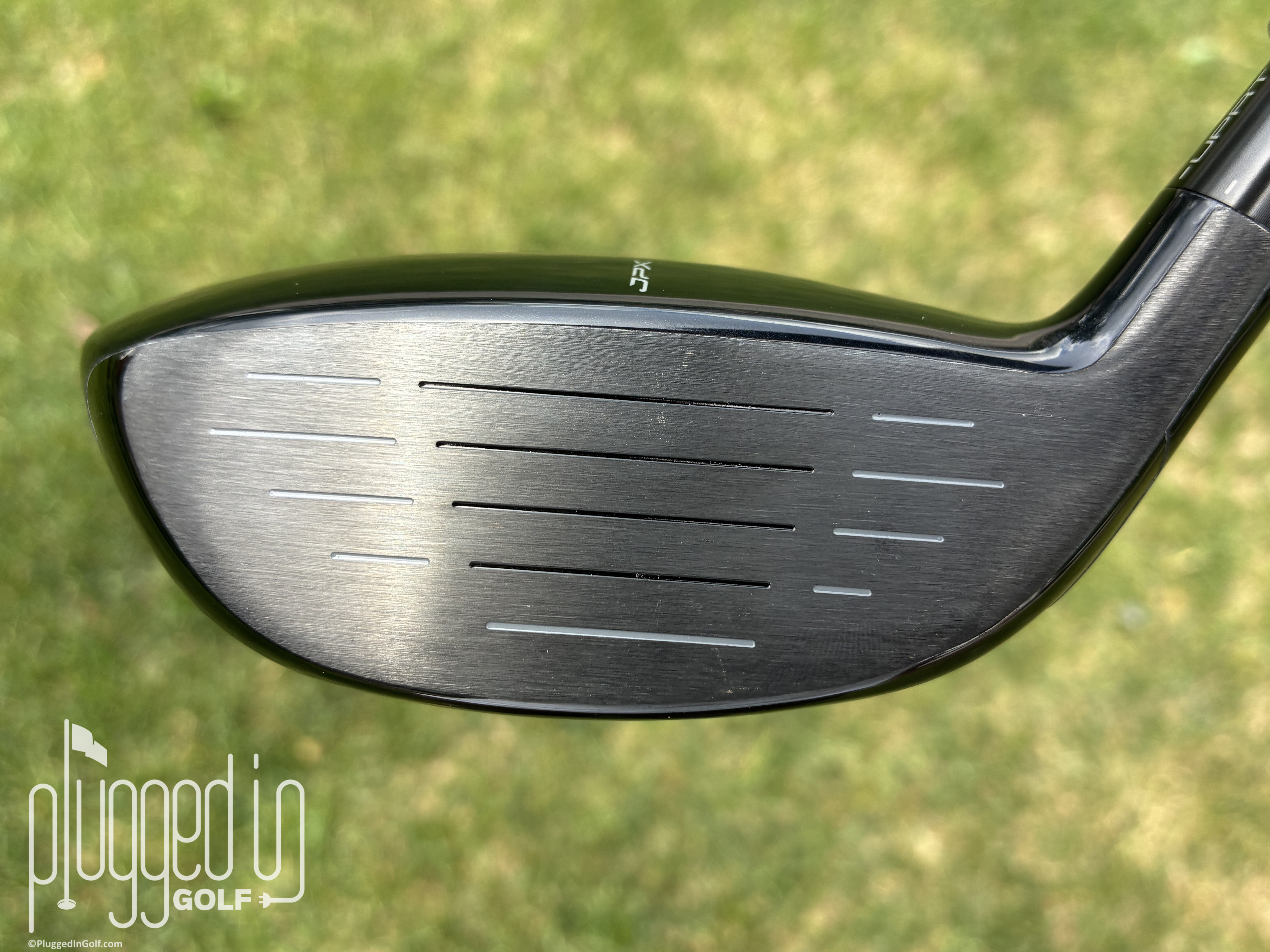
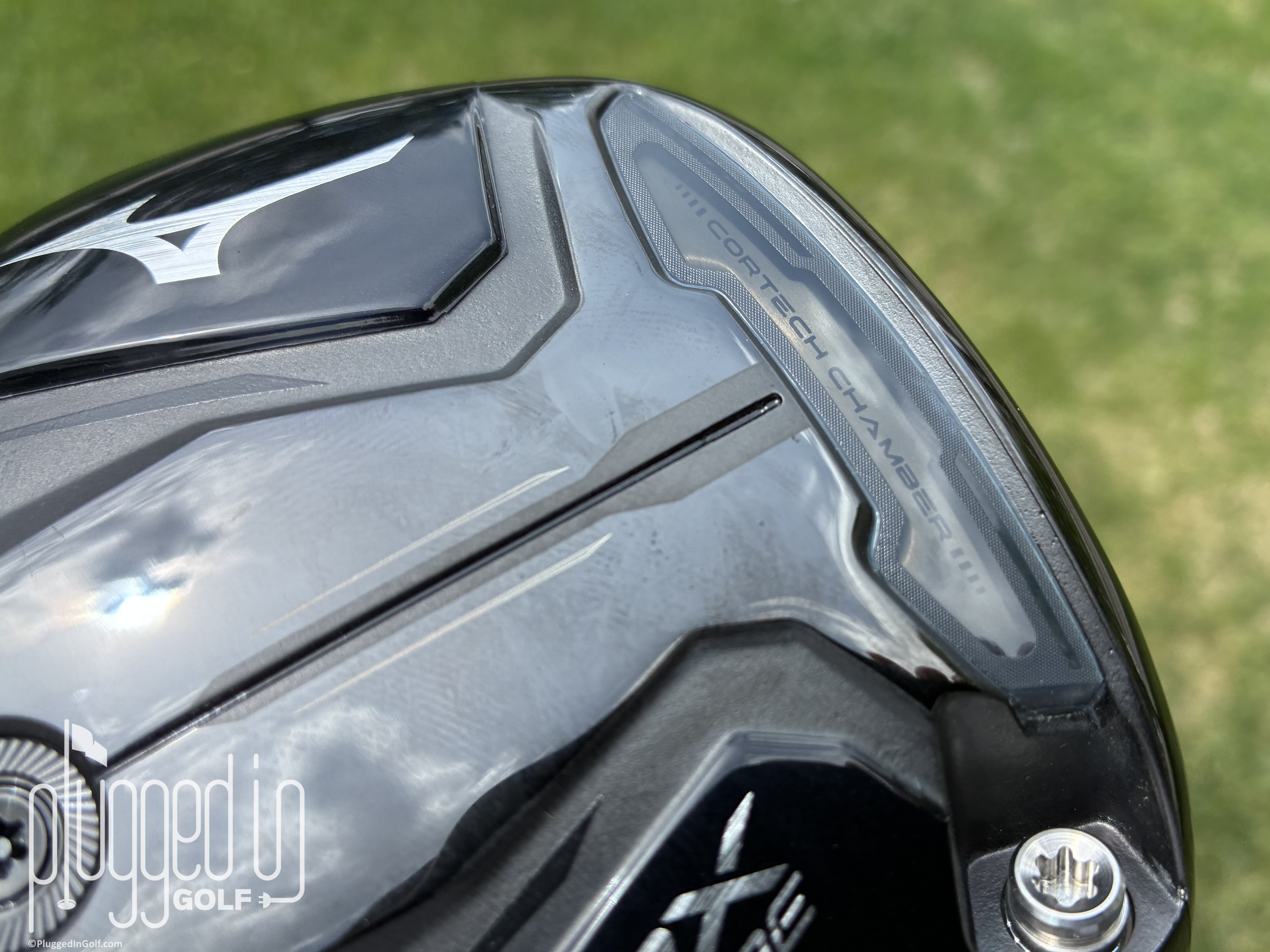
Like the driver, the crown has a carbon fiber pattern that fades to solid blue as it gets closer to the face. One big difference between the JPX One driver and the fairway wood is immediately evident by looking at the two side by side. That is the club face. While the driver features a proprietary polymer material with a striking blue color and a unique texture, the fairway wood has a traditional-looking steel face. [See Price / Buy]
Sound & Feel
Overall, I would describe the sound and feel of the Mizuno JPX One fairway wood as “subdued.” The sound of impact is quieter than most. It produces a low-mid pitched ‘crack-snap’ (‘crap’? no, that’s too unkind). The feel of impact also just feels a bit less explosive than I typically experience with modern fairway woods. It’s a soft feeling with just average feedback on misses (and trust me, there were plenty of those during my testing).
Compared to the thin, plasticky sensations of the JPX One driver, I much prefer the more traditional sound and feel of the steel face on the Mizuno JPX One fairway wood. It isn’t the most inspiring sound to my ear, but it sounds decent, especially on solid strikes. If the looks of the JPX One fairway were nice, the sound and feel didn’t really win me over.
Performance
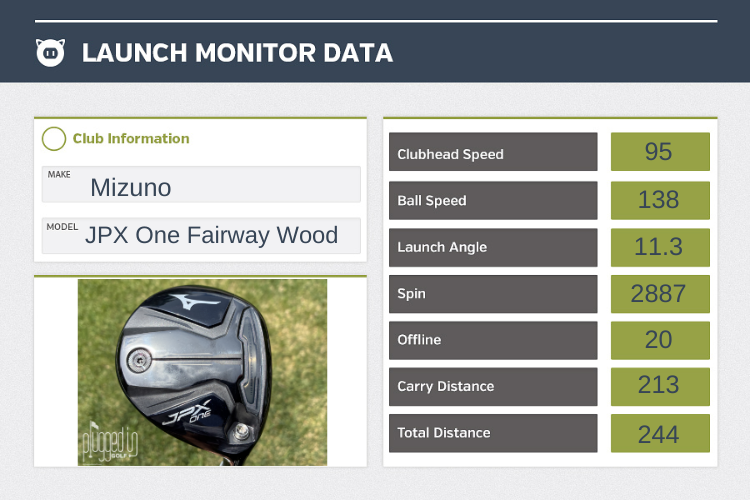
I found the Mizuno JPX One fairway wood to be a good club that didn’t wow me in any way. As I’ve said above, the sound and feel were just okay and, while I didn’t have my best day swinging the club during testing, the Trackman numbers from the best strikes of the session didn’t stand out, either positively or negatively. Let’s dive more into what happened, what I noticed, and what Mizuno says about the club and its tech.
There were two main issues for me during testing, one being consistency and dispersion, especially left to right, and the other being distance. I have written before about how being long is not the most important part of a fairway wood’s performance, but in this case, the gapping between driver, fairway wood, and 3 hybrid were a bit smaller than I’d like to see. While I struggled with consistency during this testing session and I’ll take ownership of that, the distance on solid strikes was a bit less than I would hope to see.
The Mizuno JPX One fairway wood is the only fairway wood in the JPX One lineup, so it’s intended to be a one-size-fits-all product. Players looking to dial in lower or higher spin via head shape and weighting will need to look elsewhere. That said, I found the spin numbers to be reasonably good, if trending just a bit low for me at times. The consistency in the spin numbers wasn’t the best I’ve seen, but again, I can’t claim to be blameless in that. From a launch and peak height perspective, it launched a bit lower than would be ideal for me and the kinds of shots I like to hit.
Tech-wise, Mizuno has put its own spin on several of the big trends in fairway wood design recently. One is a face with strategically designed variable thickness, a feature that improves ball speed on strikes near the margins of the club face. Another is saving weight from the crown in order to get the CG positioned low in order to improve launch and spin. The JPX One fairway wood also has good adjustability, with each head able to be adjusted +/- 2 degrees and the lie angle changing up to +/- 1.5 degrees, depending on the setting.
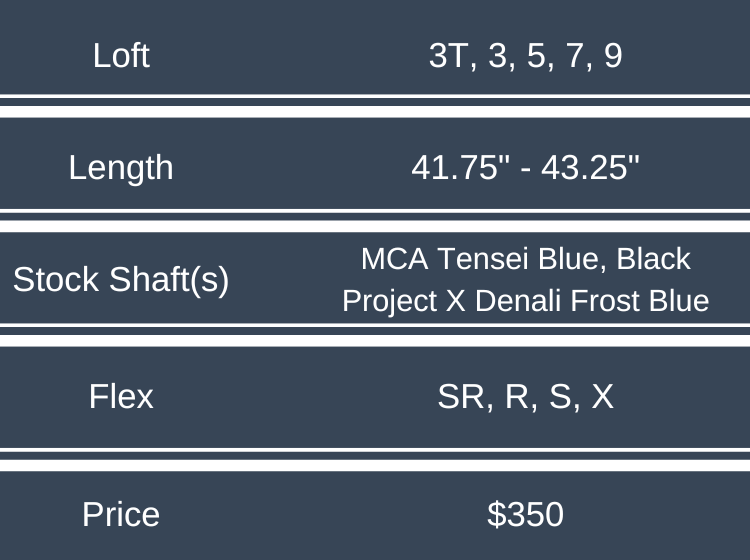
The Mizuno JPX One fairway wood is available in 3T, 3, 5, 7, and 9 wood versions. The 3T (T for Tour, I presume) presents a more compact look by the ball, with a slightly taller face. Its 15 degree standard loft is the same as the regular 3 wood.
So, who might be a good fit for the Mizuno JPX One fairway wood? It’s hard to imagine that this club could beat out the most recent offerings from the likes of Titleist, PING, Callaway, etc, so I would imagine the primary audience would be existing Mizuno fans who want to upgrade an existing club to something newer and better that maintains a familiar look and feel. [See Price / Buy]
Conclusion
The Mizuno JPX One fairway wood has a slick modern look that is consistent with Mizuno’s brand identity. Its sound and feel is on the subtle end of the spectrum, and its numbers are solid but uninspiring. It wouldn’t be at the top of my list for fairway woods to test in 2026 but Mizuno die-hards may disagree. [See Price / Buy]
Who It’s For: Golfers seeking effortless distance, forgiveness, and versatility from the fairway or off the tee, with a higher launch and playable trajectory that inspires confidence.

- Cobra KING Irons Review - September 24, 2026
- Payntr Reserve Classic RS Golf Shoe Review - September 16, 2026
- Sun Mountain Matchplay Ballistic Golf Bag Review - September 3, 2026






Join the Conversation | 2 Comments
A hefty price tag for virtually the same club as previous generation ST230 fairway wood. No go for me.
It works really well for me, especially off deck. easy to use