
50 Words or Less
The Cobra King Max Irons take a slightly different approach to the typical modern game improvement iron. They have great looks and decent feel for the class. They feature weaker lofts than most competitors, making them a very forgiving iron that may be useful for slower speed golfers needing forgiveness.
Introduction
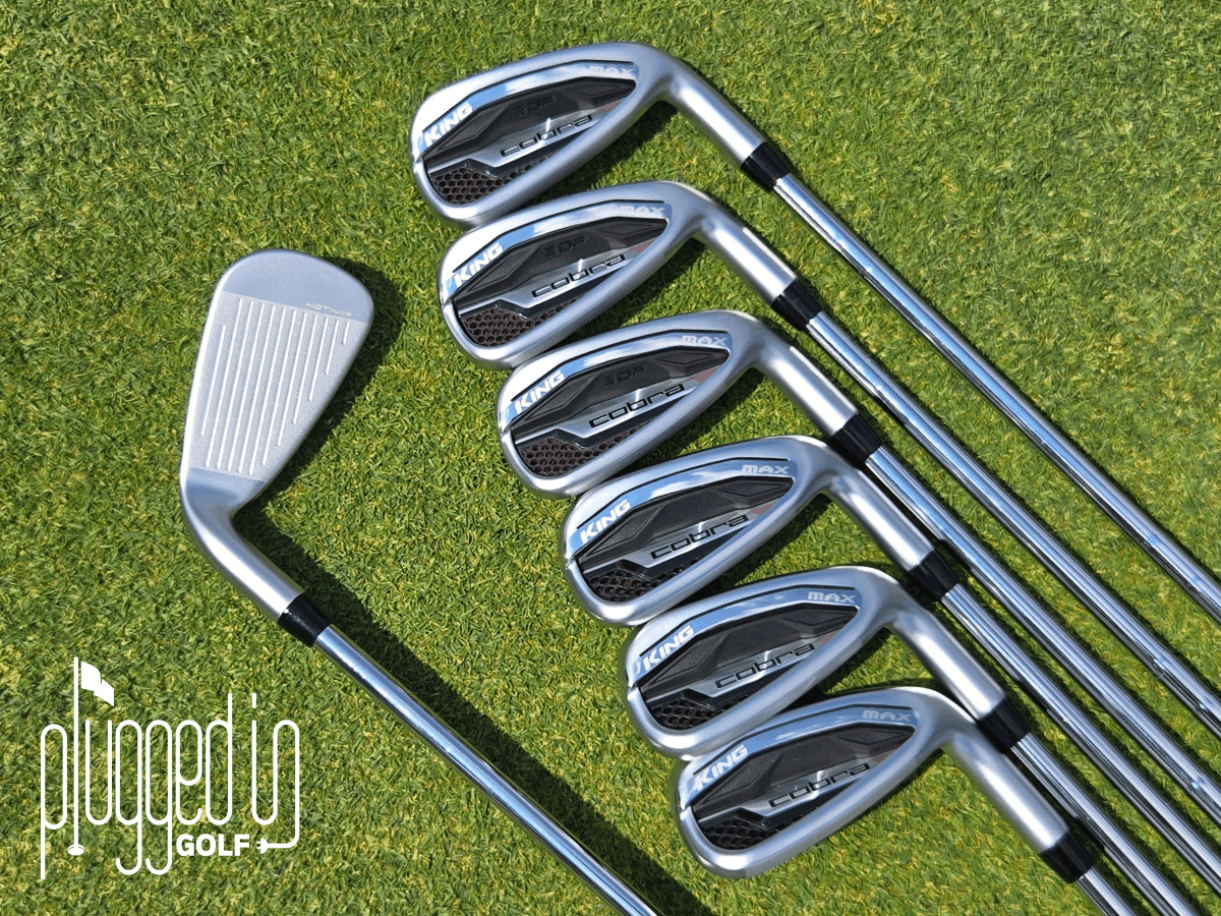
Cobra has recently split their mainline irons away from their annual driver/fairway/hybrid releases. Instead of an OPTM iron, what Cobra offers are the King Irons and the King Max irons. These two are largely the same, with the biggest change being the King Max have weaker lofts compared to the power-spec King irons that is more common in the game improvement class. I tested the Cobra King Max irons to see what type of golfer would benefit from this design.
Looks
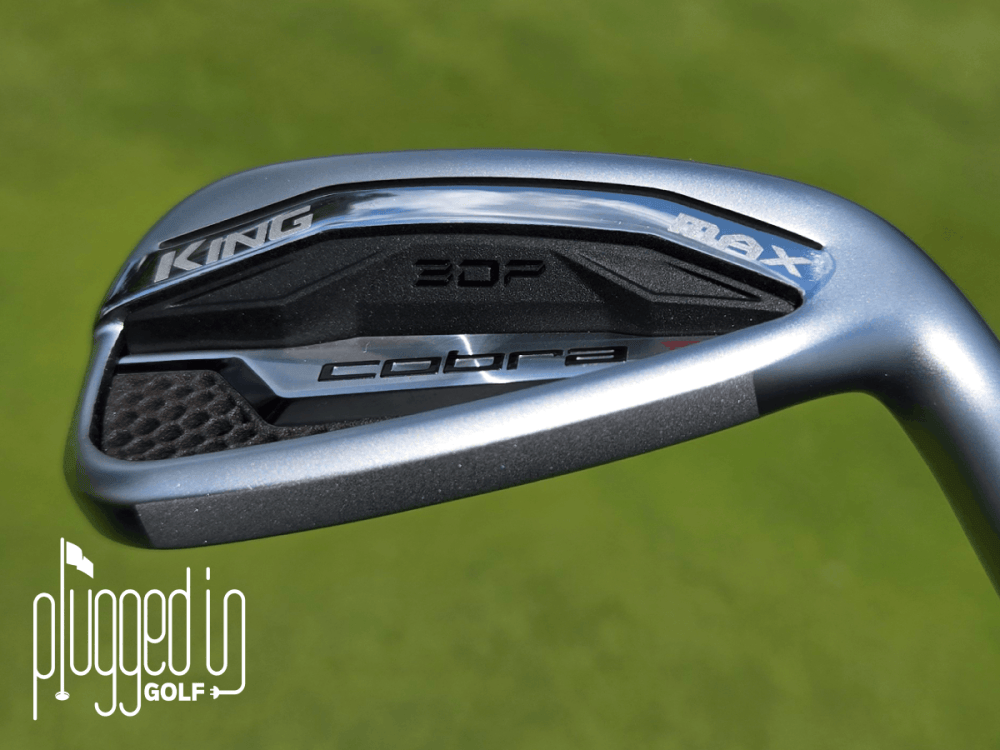
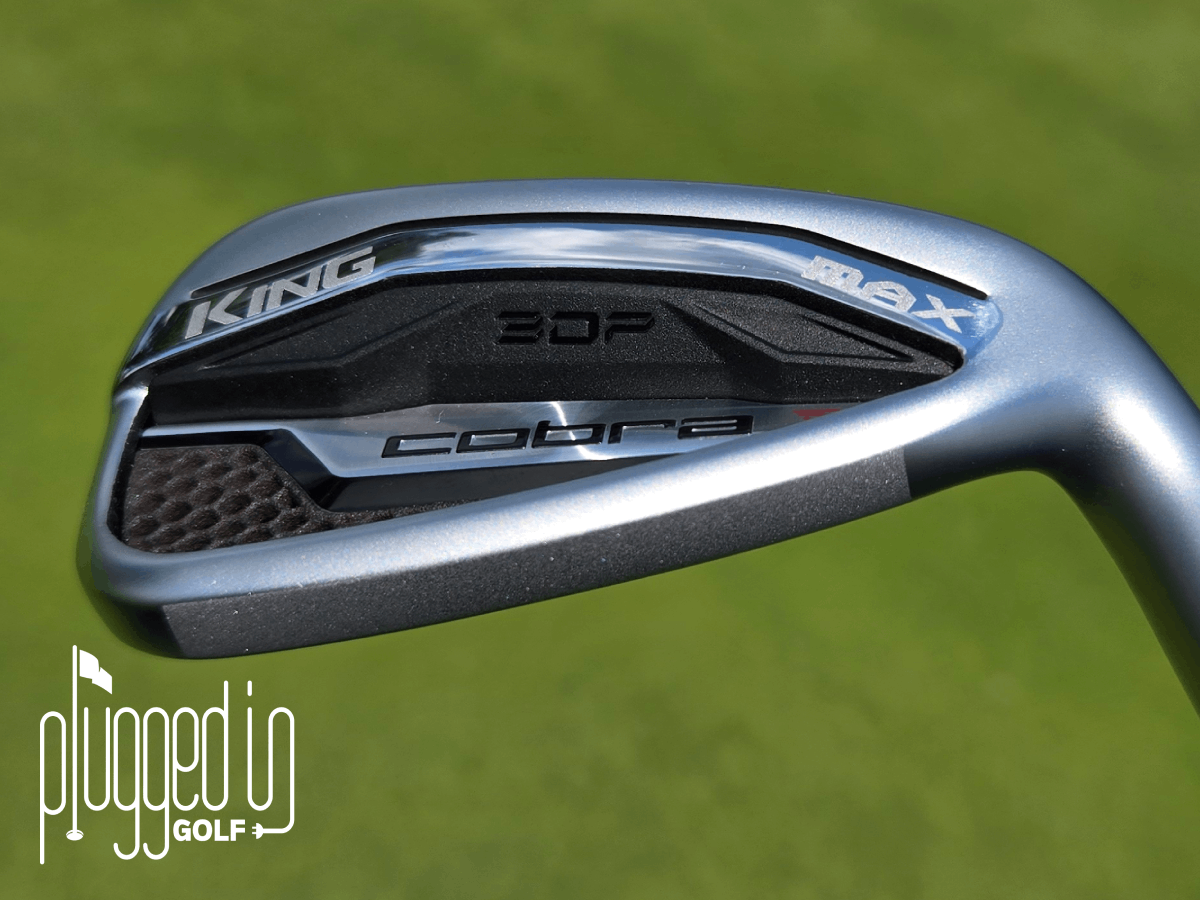
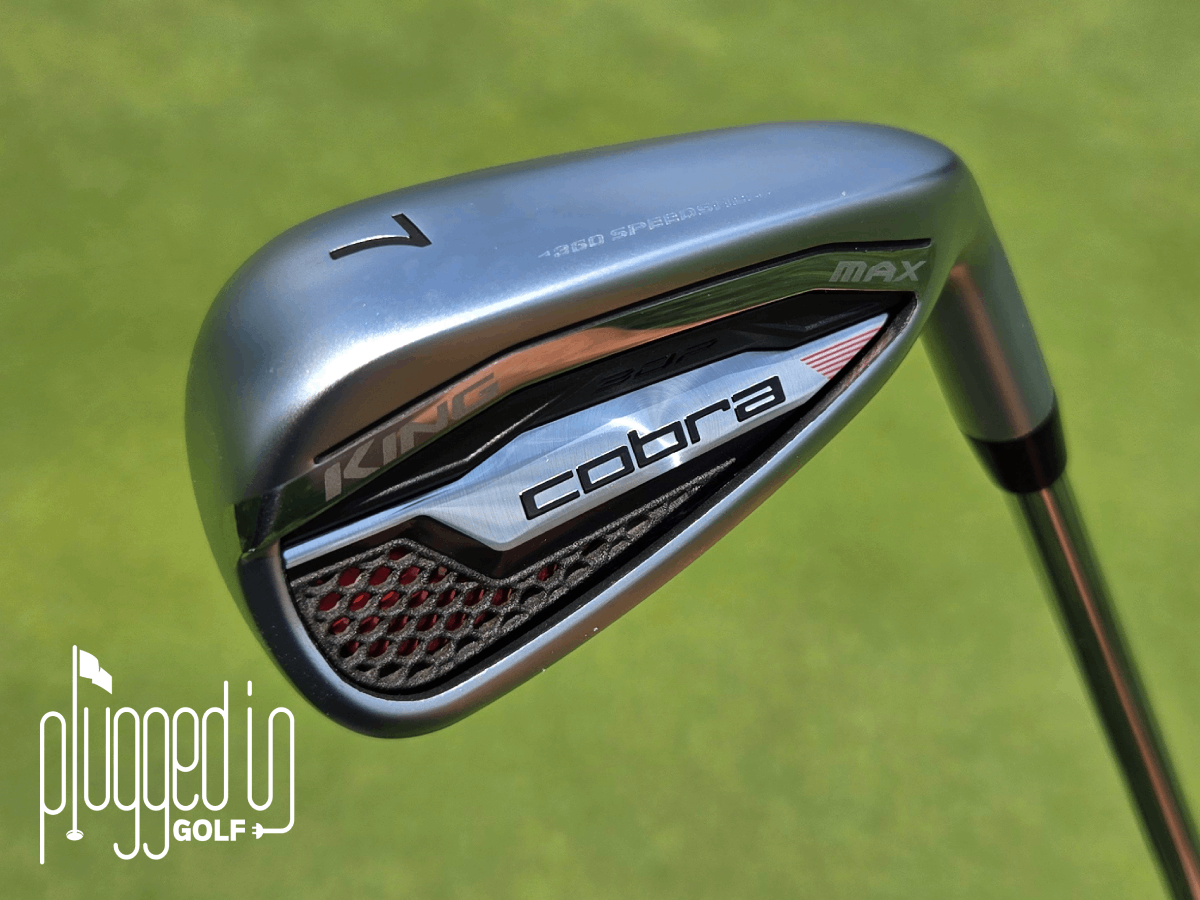
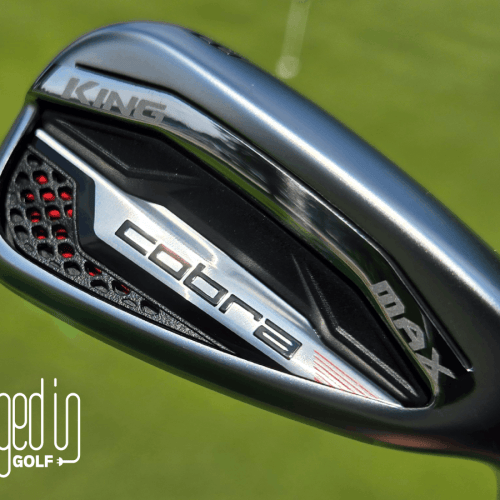
Style-wise, the game improvement iron segment tends to be a bit more busy compared to a simple and cleaner look on players’ irons. In the past Cobra has been very “training shoe” with their design language, often resulting in a visual explosion of bold colors and patterns. These new Cobra King Max irons rein things in quite a bit, with a classier yet still exciting look.
A splash of color – in this case metallic red – hides behind a black honeycomb fascia on the back of the head. Even with 5 or 6 surface planes and textures in the cavity design, the look is powerful but not too busy, a testament to a skilled design team. I think these clubs are probably the best game improvement iron design Cobra has come out with in recent years, and one of the better looking in the segment on sale today as well.
Prefer a slightly smaller club? Check out the Cobra KING irons HERE
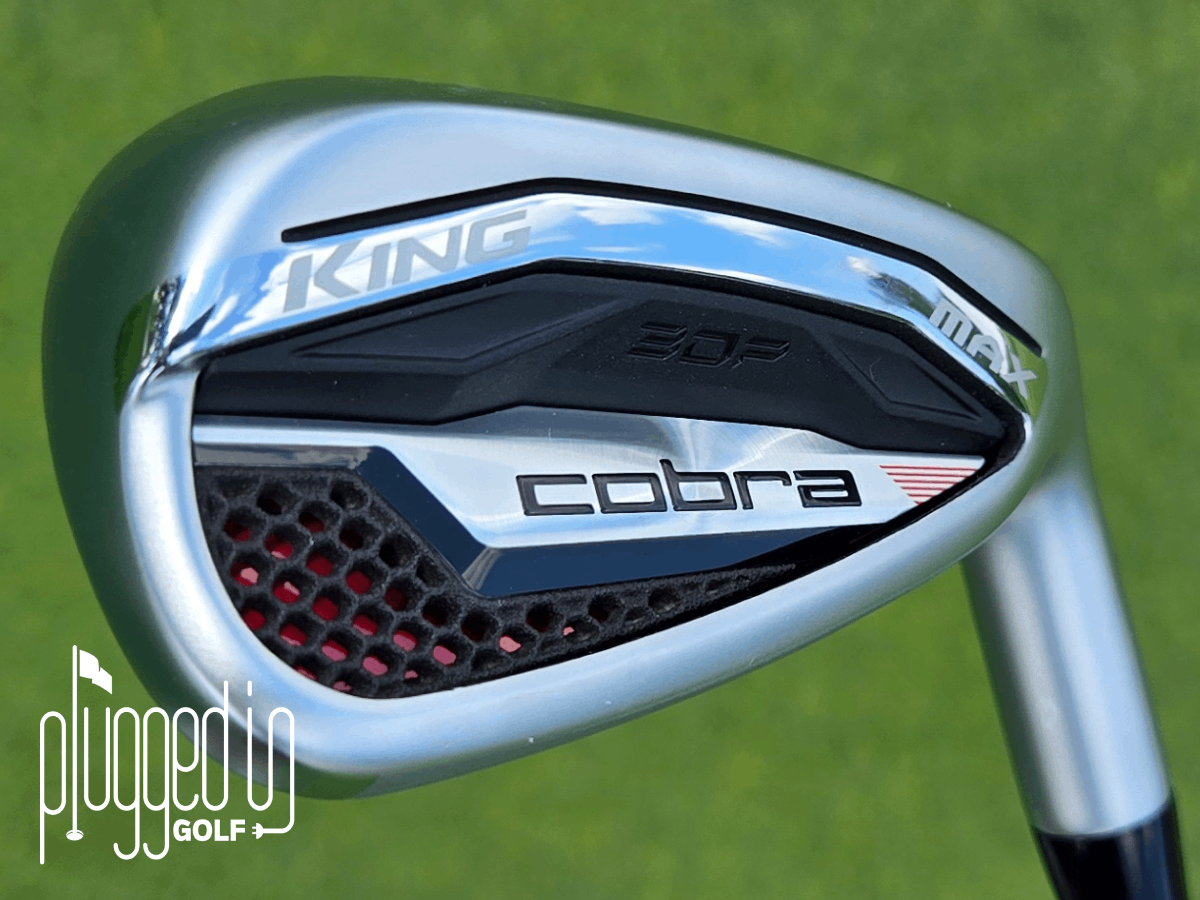
The rear cavity design also ties together their 3D printing technology used in their flagship 3DP irons, albeit loosely. Contrary to what plenty of reviews misunderstand, these irons don’t actually feature any 3D Printing in the main construction. The only 3D Printed part of the entire club is a portion of the rear medallion that features hollow lattice.
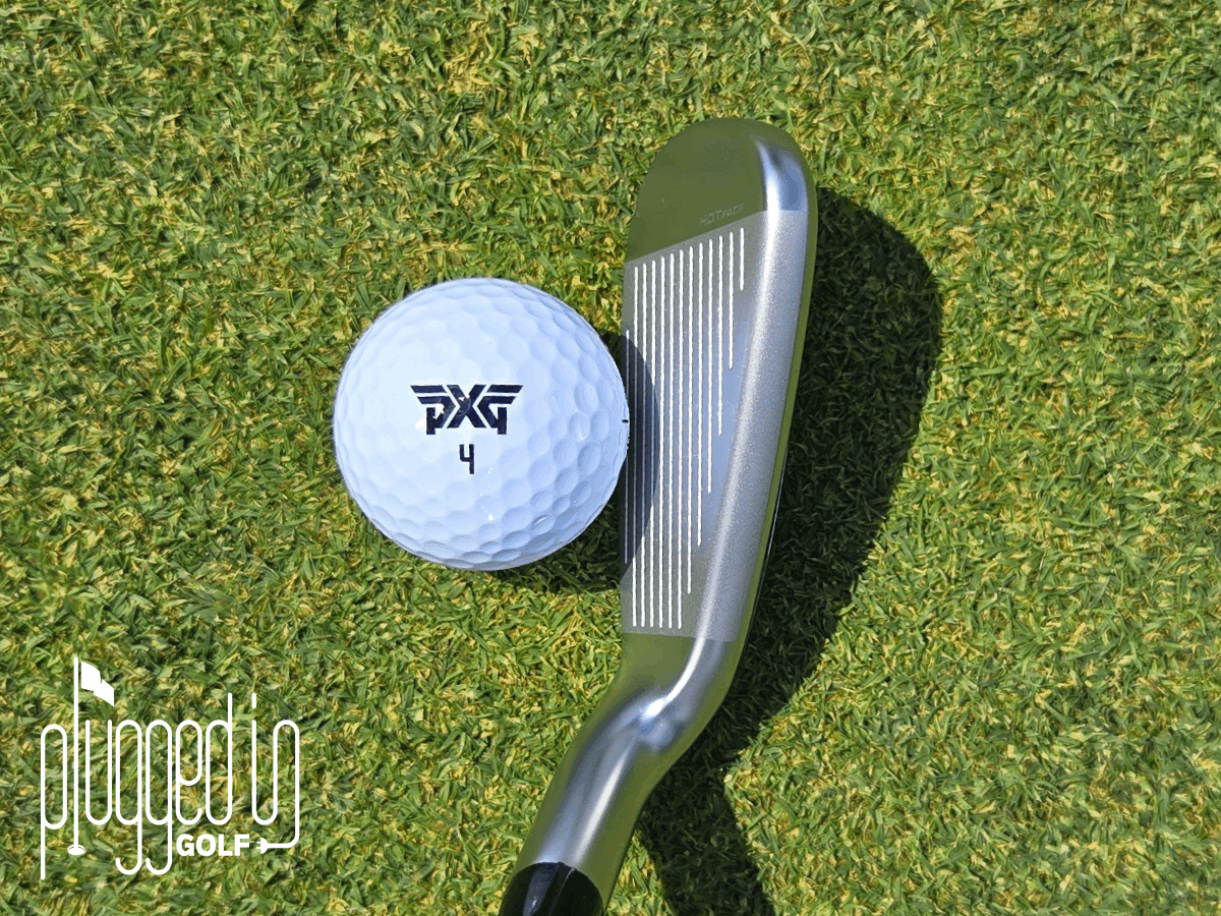
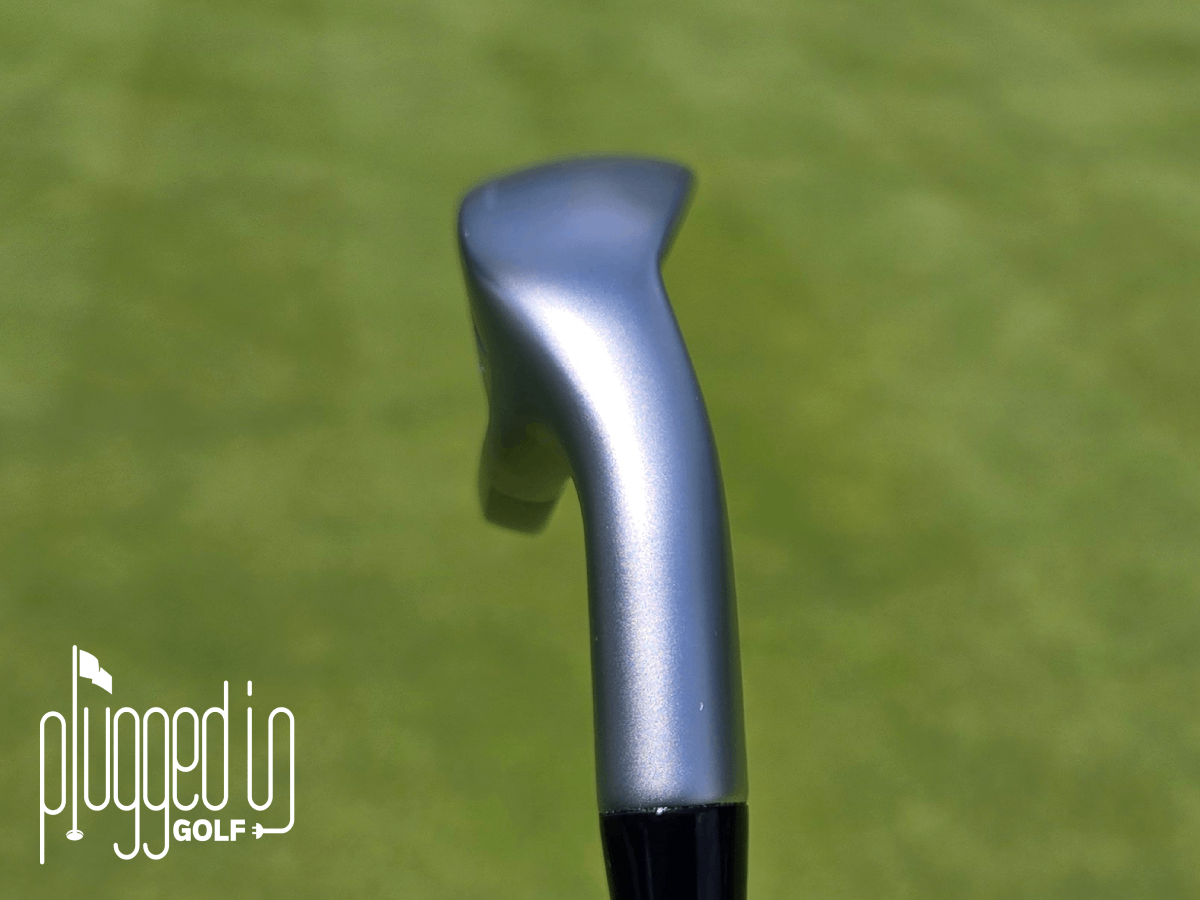
At address, the Cobra King Max irons are quite chunky, but far less so than many others in the game improvement class. They are very thick through the top line and curved toe, and in the longer irons you’ll start to see the back of the club peeking out behind the top line. There is also a generous amount of offset (more here than in the standard King irons). More so than any other factor, the offset was the hardest thing for me to get used to when I first started using the King Max irons, but for the intended audience this is quite normal and useful.
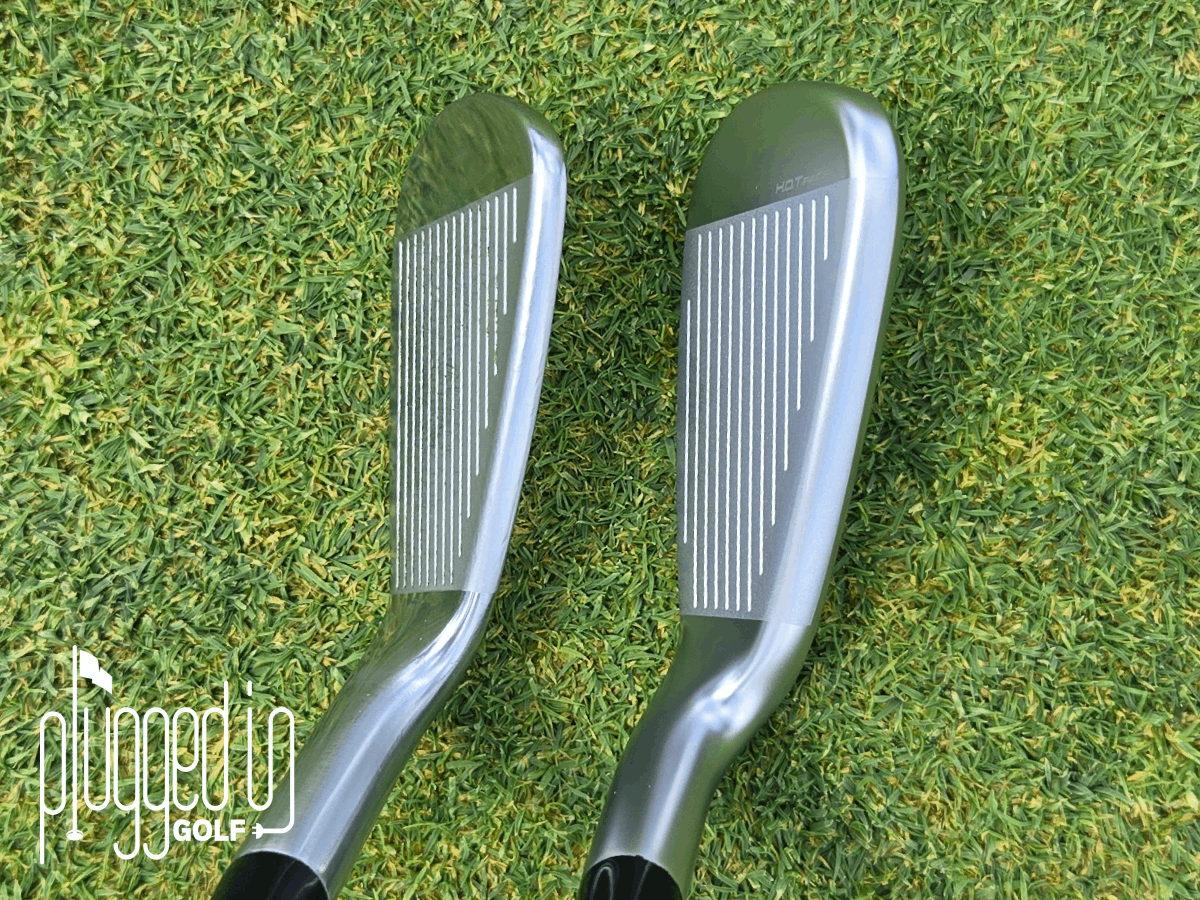
The overall blade length of the Cobra King Max Irons are a bit shorter heel-to-toe than a lot of competitors. Surprisingly, they aren’t all that much longer than my gamer Cobra Muscle Back blades are, albeit with a 10x larger sweet spot. Perhaps the engineering team found so much forgiveness in their design that they didn’t need to build a shovel-sized head to get the job done. Either way, they look far more normal in use than expected.
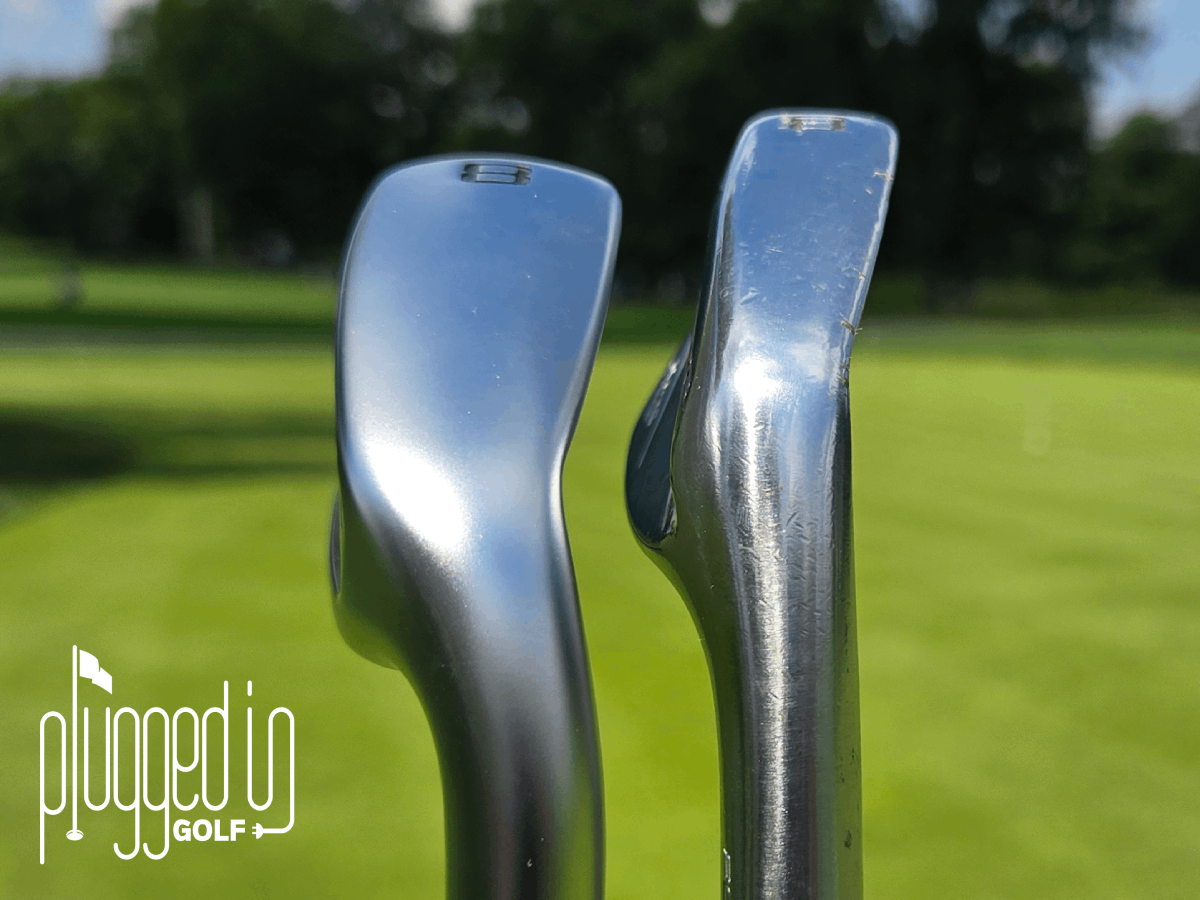
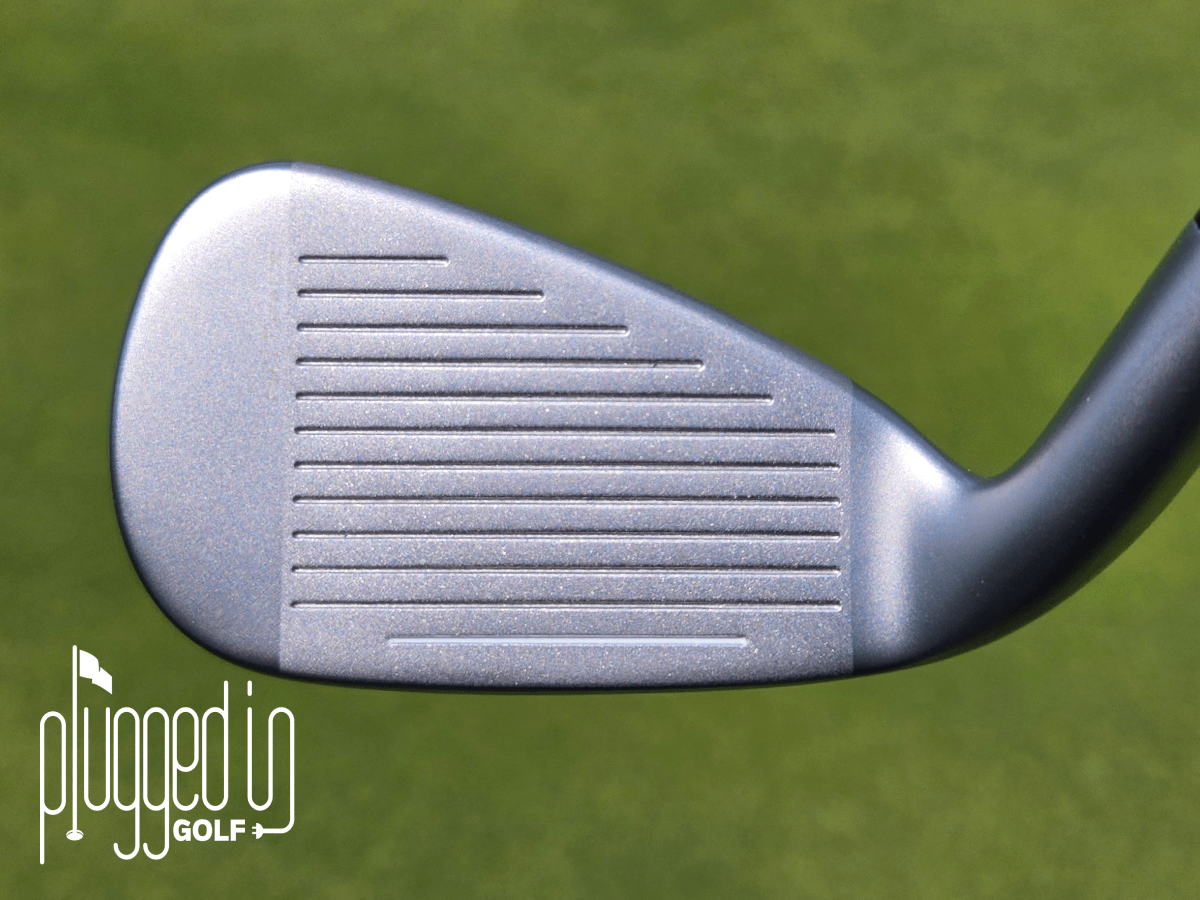
The rest of the shaping on the Cobra King Max Irons is quite nicely handled too. The chamfered edges combined with the non-reflective satin finish give these clubs a convincing slimming effect and look great. I don’t think anyone wants to advertise using clubs designed for higher handicap players. The Cobra King Max irons do a great job of being less conspicuous to bystanders. These irons take up a good amount of space in the bag but don’t add visual noise by being busy and overstyled. Clever design does a good job of downplaying their bulk. [See Price / Buy]
Sound and Feel
Game improvement clubs like the Cobra King Max irons are rarely known for having great sound or feel. They are all packed with flexible faces, dampening inserts, and harder cast construction which all take their toll on sound and feel. Given all this, the King Max irons are around average in the class.
The Cobra King Max irons have a bit of a gather and release to the sound: something of a medium volume thwack that has a slightly metallic clicky finish. Their sound is not bad or remotely offensive and are pretty standard for this segment of iron.
The large clubhead and extreme weighting makes the feel and hit location pretty vague. You tend to have one of three different sensations. You get a really powerful smooth sensation on a great strike. A poor strike will let you know that you nearly missed the ball with a quick medium vibration in your hands and a vague suggestion of hit location. Everything in between is just sort of…fine.
The Cobra King Max irons having a vague overall feel isn’t a horrible thing, since these clubs are designed for players who don’t find the middle of the face as often. These frequent “off center but not horrible” strikes will largely go unnoticed and often become the default experience for the higher handicap player these irons are designed for.
 Performance
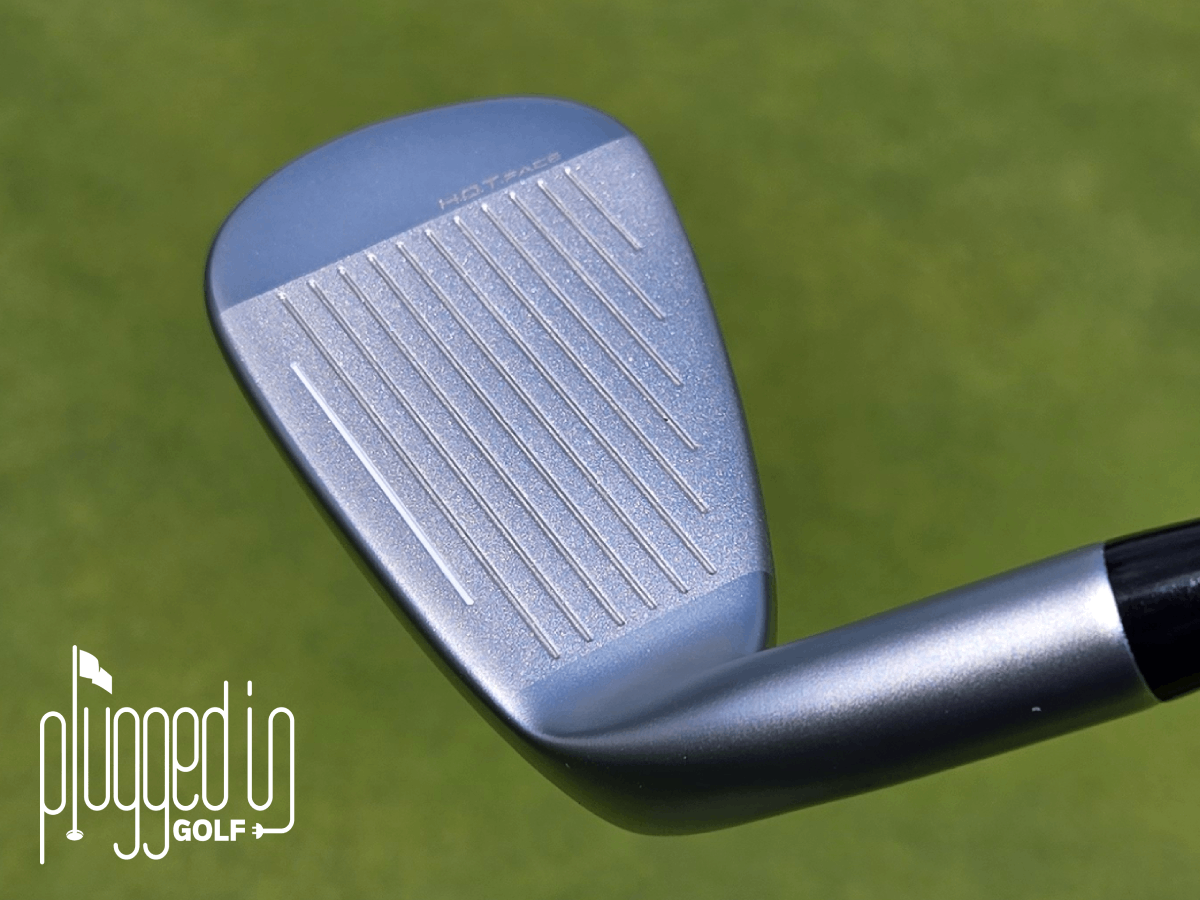
Cobra has a long list of fancy names for their engineering features: H.O.T. Face, SpeedShell, etc. It’s impossible to measure this stuff but the end result is a game improvement iron that ultimately does what it promises.
This category of iron has gotten crazy with extremely strong lofts that often spin way too little. Not everyone can hit a 26.5 degree 7-iron hard enough to make it work correctly. Not everybody who needs super forgiving clubs has a fast enough swing to get these clubs in the air and stop.
I was pleasantly surprised that the Cobra King Max irons delivered spin numbers higher than most in the class. I routinely saw 6000+ rpm out of a 7-iron which was incredible. Weaker lofts help give more launch and spin so slower swing speed players can get the ball up and keep it in the air. Also, all higher handicap players can benefit from the straighter flight associated with more backspin.
Speaking of straight flight, these clubs were absolute lasers. The Cobra King Max irons send the ball on whatever angle you have the face pointed at impact and fly dead straight nearly every time. I’ve never played a round with such little curvature shot after shot. It made for difficult shot shaping but that’s really not important for irons like this.
The distances I saw out of the Cobra King Max irons were healthy but not crazy long. I suspect the weaker lofts and increased spin took a slight edge off what I have seen this class of iron do. Overall, these clubs are definitely powerful but raw distance isn’t their primary goal.
The forgiveness level of the Cobra King Max Irons was just as high as expected. The difference between a great strike and a mediocre one wasn’t huge, with a front to back dispersion that was within the gap of one club. On-course, I found that if I missed a green from an off center strike, I was left with a greenside chip or a longer putt than intended. I also rarely noticed any jumpers go more than a few yards longer than expected. This is often the biggest drawback of game improvement irons that focus strongly on distance. These went the distance I expected with very little deviation.
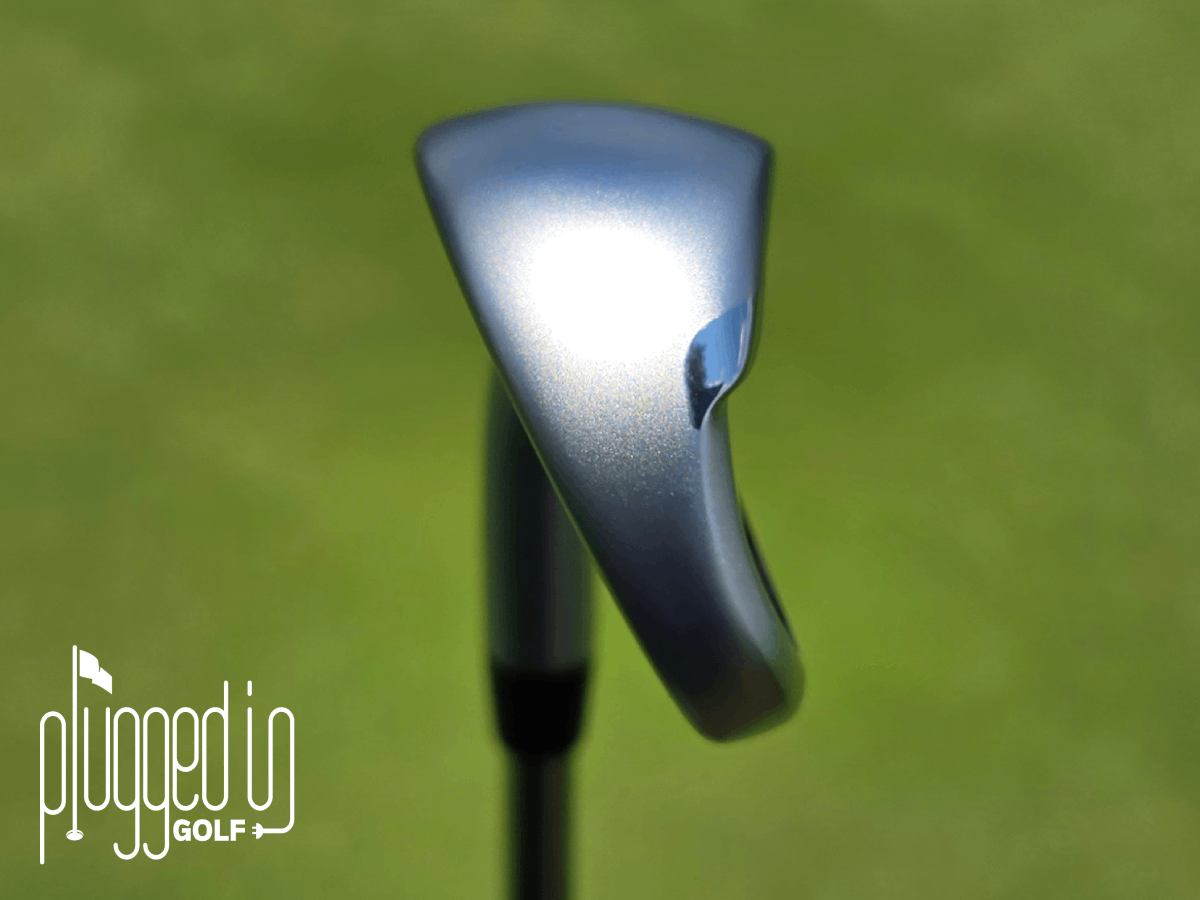
The Cobra King Max irons feature a very wide, somewhat flatter sole with a heavily contoured leading edge. Cobra suggests this is a more universal fit compared to irons that have an overtly rounded, deep sole. I varied my swing plane on the range and found success with both shallow sweeping as well as my normal steeper delivery. I’ve had trouble transitioning between those extremes with some other game improvement irons in the past, so it seems like Cobra is on to something here. I suspect very few people will have trouble finding a good strike with these irons. [See Price / Buy]
Conclusion
Plenty of high handicap golfers lack the speed to get power-spec lofted irons into the air. With more loft and more spin using the Cobra King Max irons, those slower swing players trade a couple of potential yards for easier launch, more stable ball flight, and more stopping power on the greens. I think this is an iron that’s powerful enough while giving a shocking degree of forgiveness. The Cobra King Max irons launch easily, spin well, and go straight as an arrow swing after swing. Combined with great looks, there’s a lot to like here. [See Price / Buy]
2026 Cobra King Max Irons Price & Specs Guide
Club | Loft | Lie | Offset | Length |
4 | 21° | 62.5° | 7.6 mm | 39.25" |
5 | 23.5° | 63° | 6.7 mm | 38.50" |
6 | 26.5° | 63.5° | 5.9 mm | 37.75" |
7 | 29.5° | 64° | 5.2 mm | 37.25" |
8 | 34.0° | 64.5° | 4.5 mm | 36.75" |
9 | 39° | 65° | 3.8 mm | 36.25" |
PW | 44° | 65° | 3.2 mm | 36.00" |
GW | 50° | 65° | 2.6 mm | 35.75" |
SW | 56° | 65° | 2.1 mm | 35.50" |
Who’s It For: Golfers with average to moderate swing speeds and shallow attack angles who want maximum launch, forgiveness, and carry distance in an oversized, confidence-inspiring shape.

- Sun Mountain H2NO C-130 Cart Bag Review - October 15, 2026
- 2026 Bank of Utah Championship Recap - October 4, 2026
- Cobra King Max Irons Review - October 1, 2026