

50 Words or Less
The Titleist GTS2 driver offers improvements in performance and adjustability while remaining incredibly fast. Playable for golfers at all levels. One of the best drivers of 2026.
Introduction
After weeks of heavy play on the PGA Tour and countless teaser images, we can officially talk about one of the most anticipated products of 2026: the Titleist GTS2 driver. Taking the “Generational Technology” from the GT Series and expanding it to more of the head, the GTS drivers offer more forgiveness and adjustability with the same high speed that made the GT a hit across all levels of golf.
Looks
If you were expecting anything other than a beautiful, traditional-looking driver from Titleist, A) you’re going to be disappointed and B) what planet have you been living on?
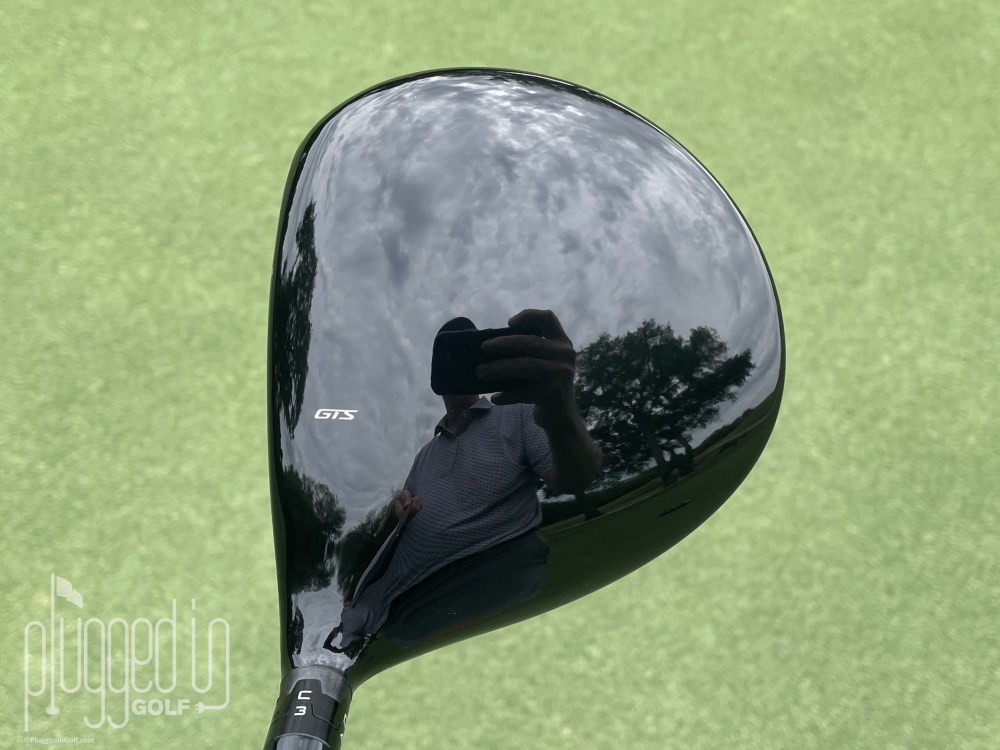
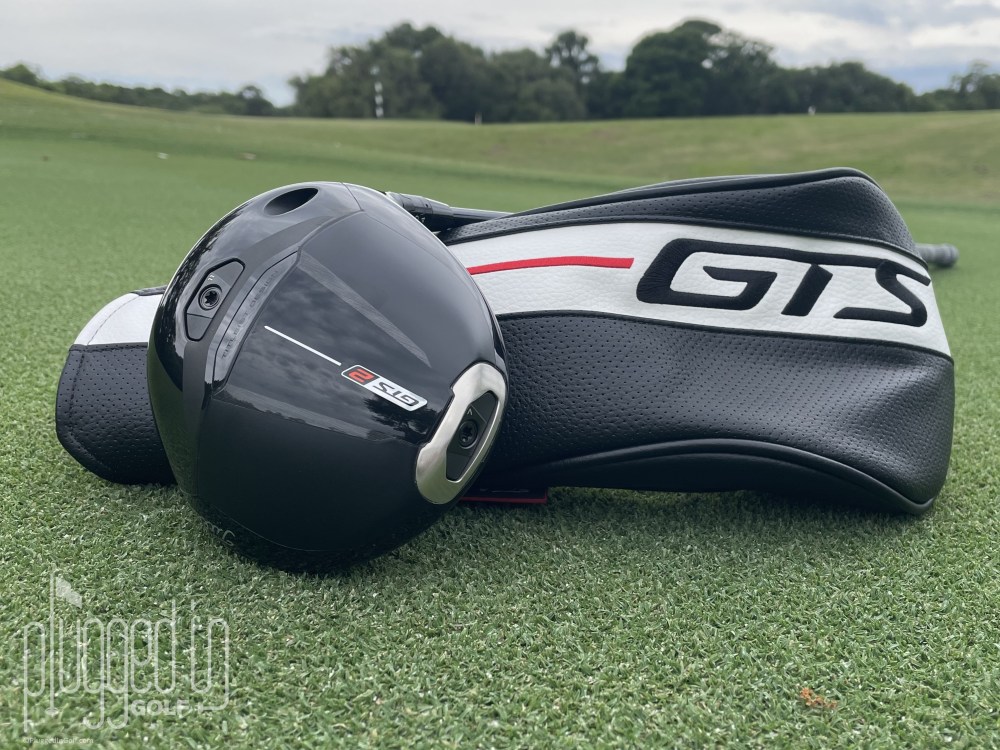
At address, the Titleist GTS2 driver is a “sea of black” according to Matt Meeker. There are no pinstripes, no visible carbon fiber, no fancy graphics, just sleek, high gloss black. You will find a “GTS” alignment aid, but it’s small and relatively low contrast. In terms of shape and size, the GTS2 driver has the largest footprint and a balanced-but-not-symmetrical shape.
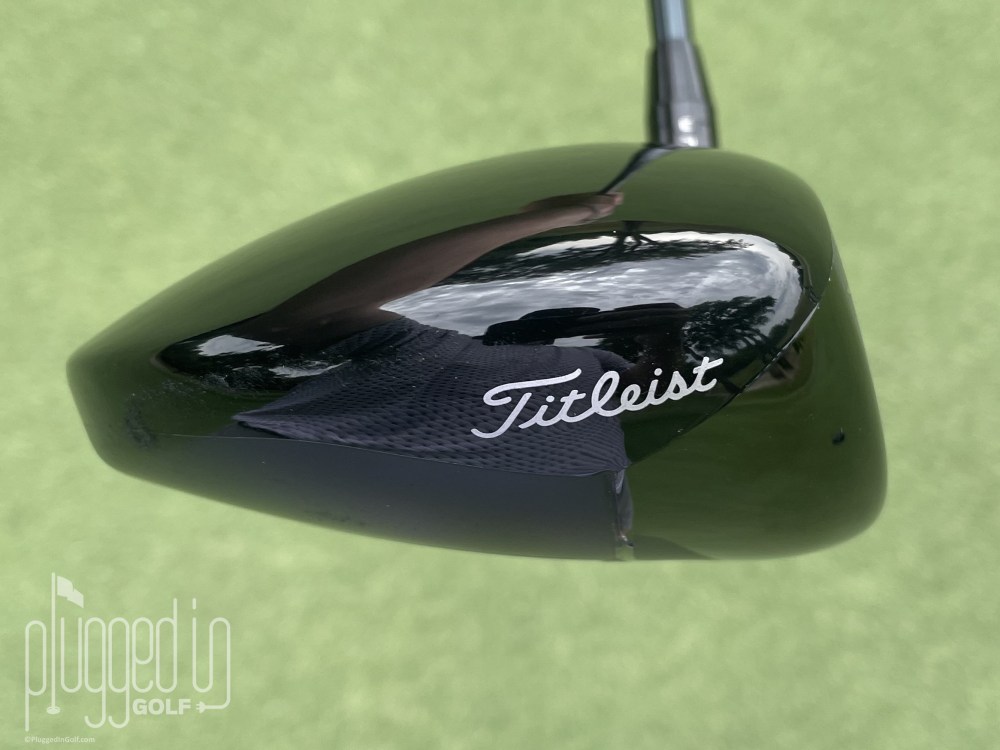
The sole of the Titleist GTS2 driver is similarly clean, though it is a little busier than the GT2. From this perspective, we can see the contrast between the polymer and metal sections – something I’ll discuss more later. The branding is modestly sized – “GTS2” near the trailing edge and a tone-on-tone “Titleist Design” nearer the front. Though it isn’t called out like many other tech features, what caught my eye was the pair of movable weights. Matt Meeker noted an appreciation for the white line down the middle and the “slimming angular brushed finish framework.” [See Price / Buy]
Sound & Feel
Just as with the look, if you were expecting something loud and off the wall from Titleist…you’re weird. The Titleist GTS2 driver has a focused, traditional impact sensation through the hands and ears.
Matt Meeker stretched the bounds of proper English trying to capture the sound. It is metallic, but not in a high pitched, “tink”-y way. It’s lower in pitch, deeper in character, and extremely consistent. No matter the strike quality, you get a mid-volume sound that’s resonant and powerful.
That same word – powerful – comes through in the feel. The GTS2 driver is very stable, leading to a solid, firm impact feel. Matt Meeker noted limited feedback except low on the face and toward the toe. As the player more expert in missing the middle, I’ll disagree – I felt I could call out impact locations all over the face with good precision.
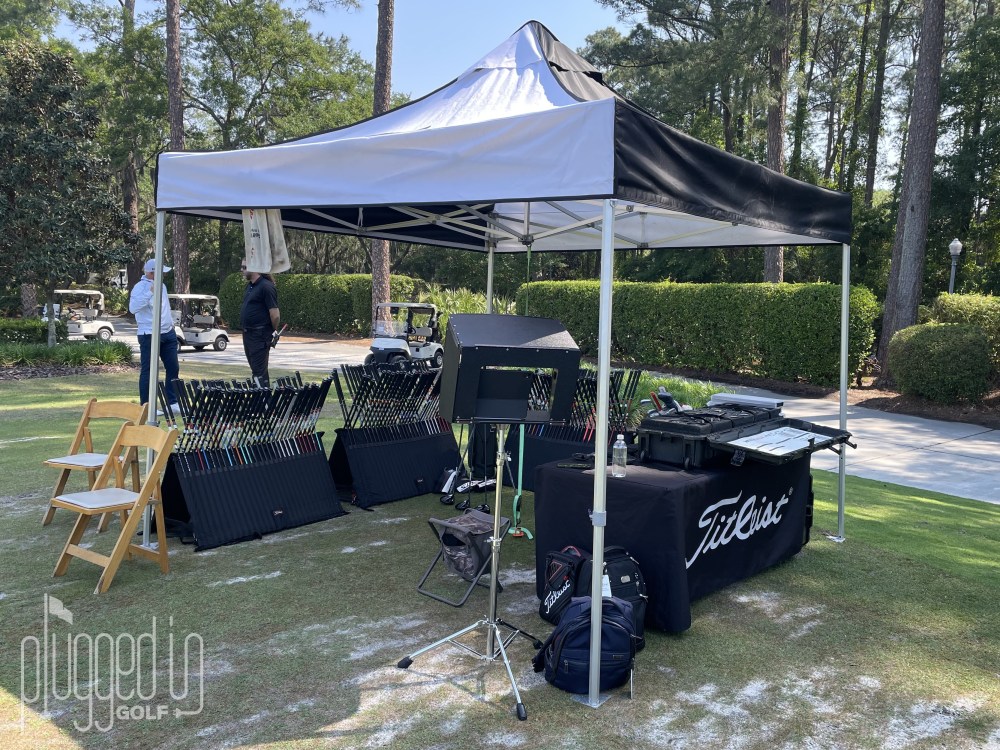
Titleist GTS Driver Fitting
I’ve been fitting and getting fit for for over twenty years, yet I learn something from every experience. For this fitting in particular, it drove home how there is no perfect fitting [more on that HERE] and that the golfer really needs to take responsibility for their fit.
Two years ago, I was fit for the Titleist GT3 driver [review HERE]. I went into that fitting expecting to leave with the GT2 – the more forgiving model – but at that time two things were true: 1) I was hitting an unplayable hook and 2) my strike quality was as good as it’s been in a long time. Because I’m no better than anyone else, I overlooked the latter (“This is my new normal”) and focused on the former. When my fitter zeroed in on the GT3, I was flattered (“He sees what a good player I am!”) and went with it.
Over the last two years, some of my best, most memorable driving rounds have come with the Titleist GT3. During my first round – a big scramble event – I drove three greens and threatened a couple others. The only reason that it wasn’t in the bag full time is that it wasn’t as consistent or forgiving as I needed it to be.
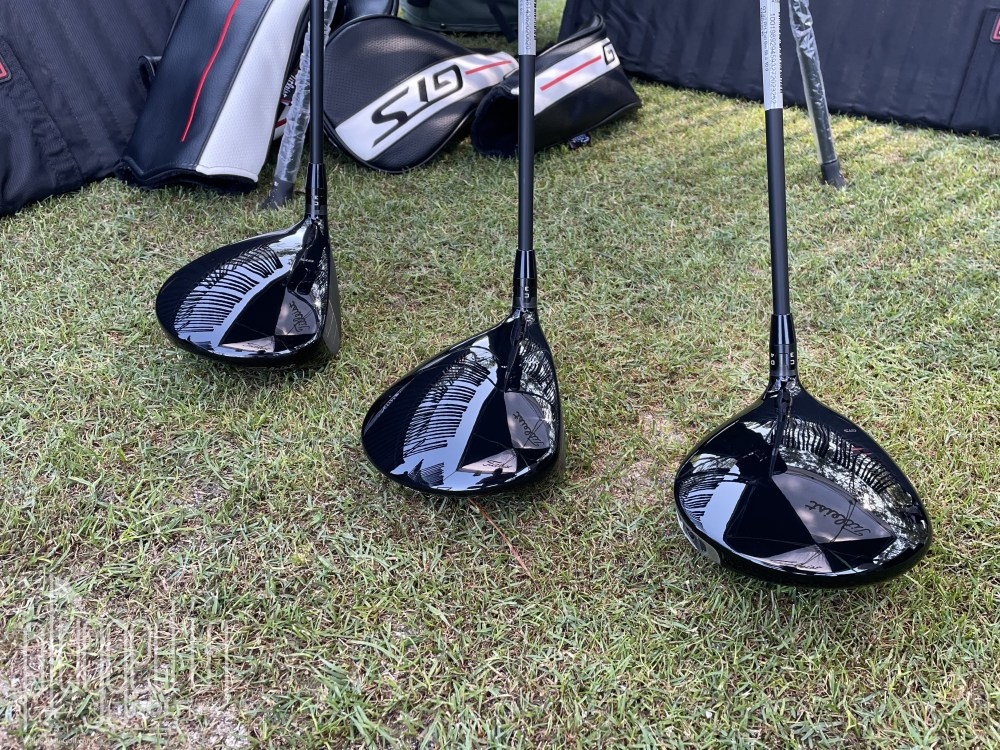
When I walked into my GTS fitting, I shared all this with my fitter. After seeing just a couple swings, he nodded, took the GT3 out of my hands, saying, “Yeah, I can see why this doesn’t work for you.” This wasn’t him dumping on me, my previous fitter, or the club; he was simply seeing me in a different context. On the day of my GTS fitting, my strike quality was abysmal due to an early season filled with small injuries, tons of work, and very little golf. My normal hook was still around, but it wasn’t nearly as big an issue as trying to find the center of the club face.
My fitter put the Titleist GTS2 driver in my hands, and things were immediately better. His focus was less on the forgiveness than on the spin. He felt that the GT3 was too low spin for me, and that inadequate spin would make my hook worse. The results from the fitting were hard to argue with. We hit the GTS3 and GTS4 [review HERE] for the sake of being comprehensive, but there was no real doubt that I would walk away with the Titleist GTS2 driver.
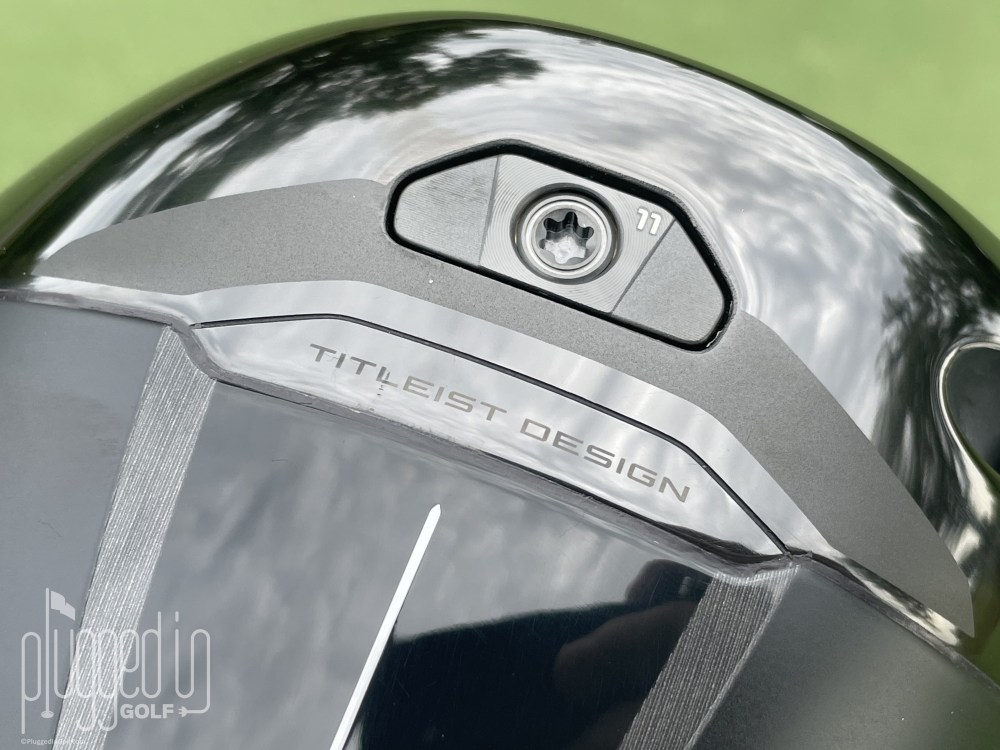
We did spend a lot of time dialing in the specs and settings. One slightly jarring change was the move to an 11 degree head in the Titleist GTS2 driver, done to give me more spin. I took my own advice and voiced my concern: I’ve been fit into higher lofted heads before, and they end up on the shelf because I cannot abide a weak, floaty ball flight [more on that HERE]. He compromised – and sated my ego – by setting the loft to 10.25 in D1, “The same driver set up Cam Young uses.” Finally, we experimented with the weights and settled on putting the heavier weight back for more stability.
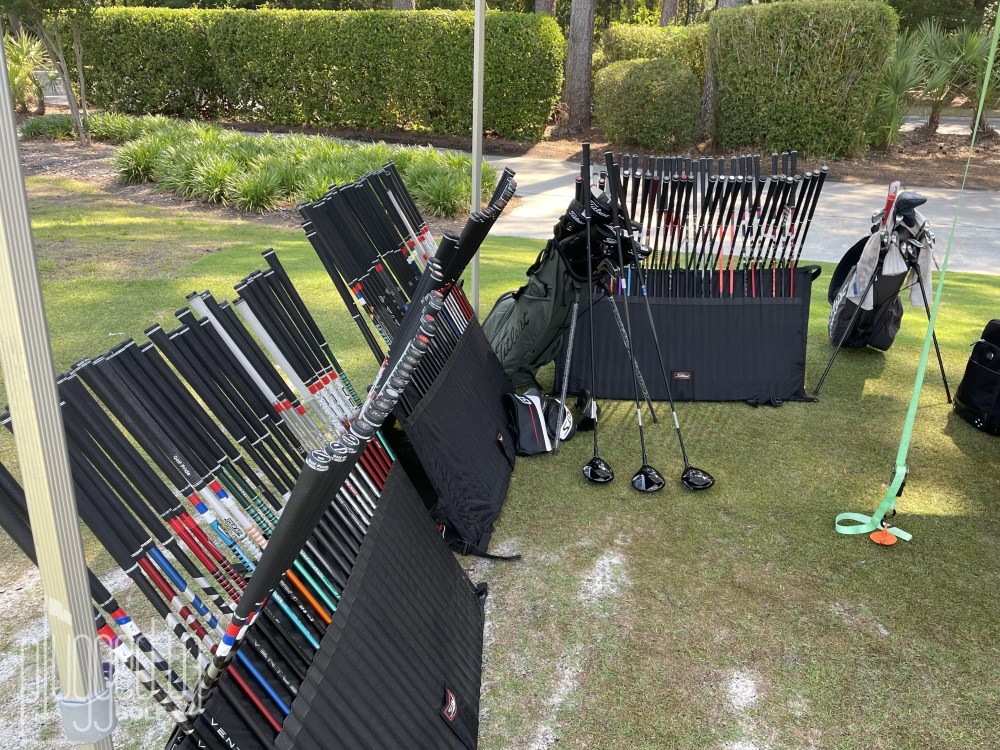
One thing we did not spend much time on was the shaft. I came in with the Project X HZRDUS Black in my GT3 and left with a Project X Titan in my Titleist GTS2 driver. My fitter immediately clocked my “aggressive” transition and said nothing else was going to tame that as well. Matt Meeker took more advantage of the large array of shafts, eventually settling on the Graphite Design Tour AD FI [review HERE]. Titleist offers numerous high end shaft options from Mitsubishi, Graphite Design, Fujikura, and more.
Performance
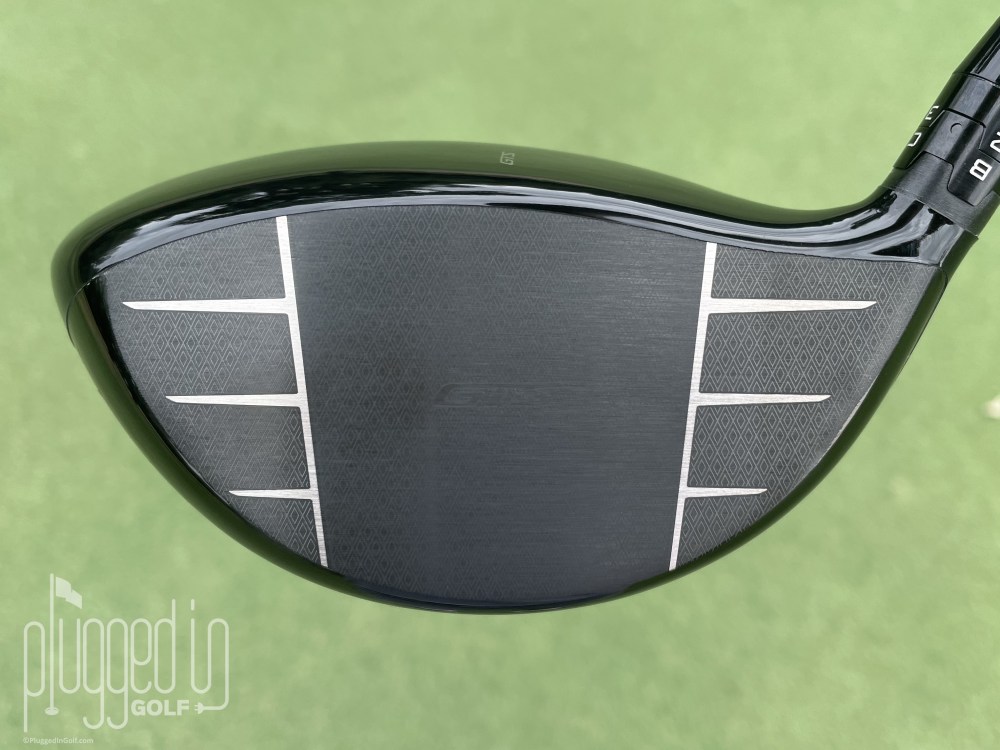
The thing that made the GT2 driver [review HERE] “Generational Technology” was Titleist’s use of thermoform in the crown. For the Titleist GTS2 driver, that same material is being used not just in the crown but also in the sole – “a full thermoform body,” per Titleist – to allow for more discretionary weighting. Said more plainly: more of this club is made of a super lightweight material so that more weight can be put where it will improve performance.
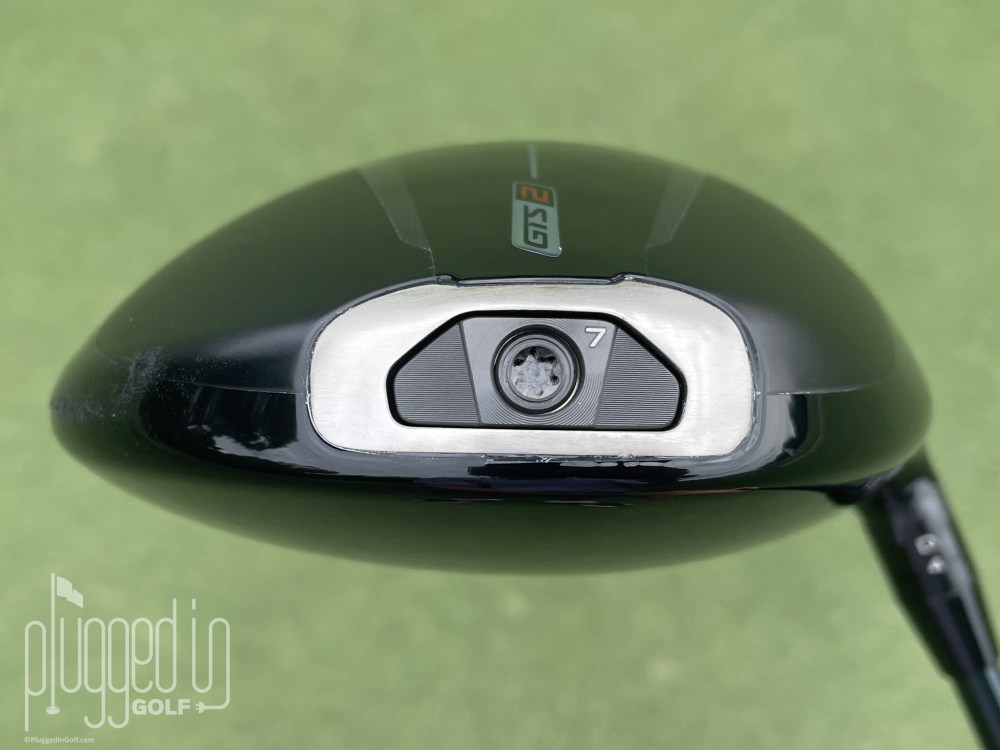
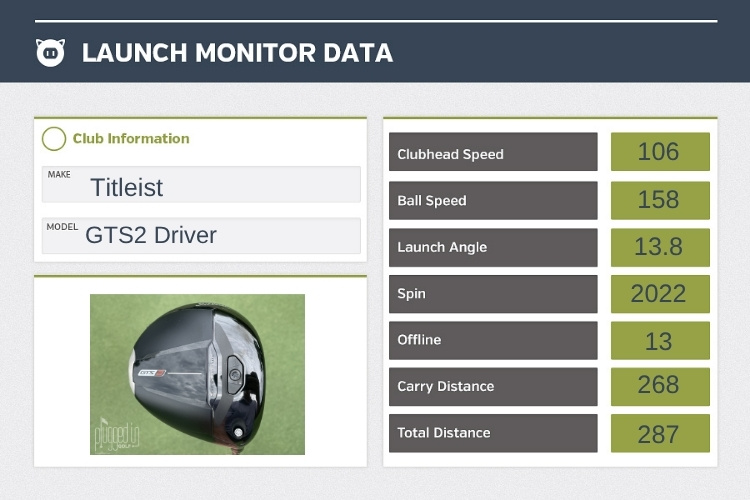
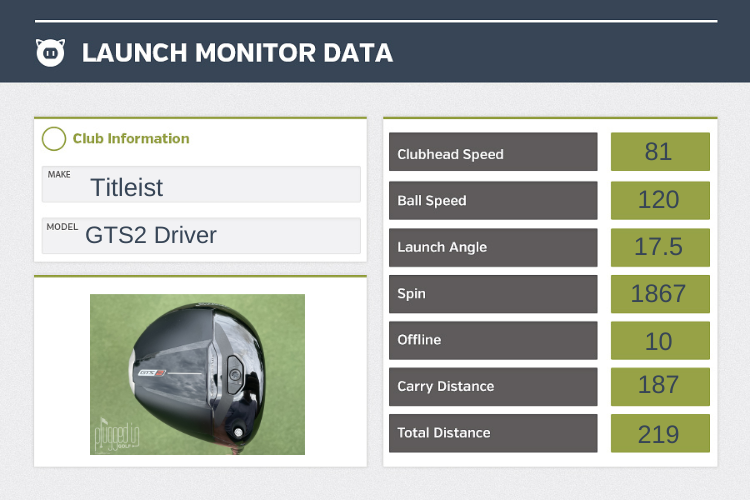
Some of this weight savings was used to give the Titleist GTS2 driver a Dual Weighting System – a significant upgrade over the GT2. With these two ports, golfers can find their ideal center of gravity (CG) position, balancing stability, launch, and spin. As I noted above, I put the heavier weight back for more stability. Matt Meeker, who hits the center of the face much dependably often than I do, found his optimal launch and spin with the heavier weight forward [Meeker’s LM data is below].
Carrying forward from numerous generations of Titleist woods is the Sure-Fit hosel. With sixteen settings that allow players 2.25 degrees of freedom to change loft, lie, and face angle, this is a case of “If it isn’t broken, don’t fix it.” I took advantage of this to loft down an 11 degree head and open the face to fight my hook. Matt Meeker plays his Titleist GTS2 driver at A1 – the stock, square setting.
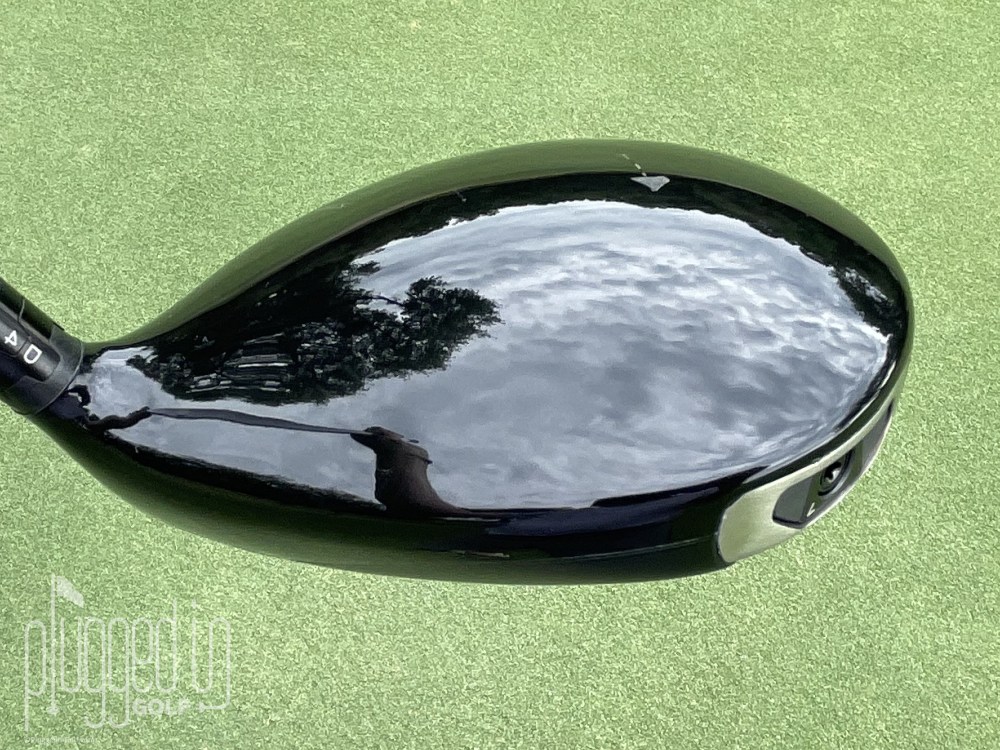
Another hallmark of the GT series was its speed. Titleist engineered some of the most aerodynamic heads in the game, leading to faster club head speeds and better ball speeds. That has also carried forward to GTS. According to Titleist, this lines featured “a more pronounced raised tail” to reduce resistance during the swing. While this won’t make golfers noticeably faster, I did find that I was more consistently at the top of my speed range with the Titleist GTS2 driver compared to others.
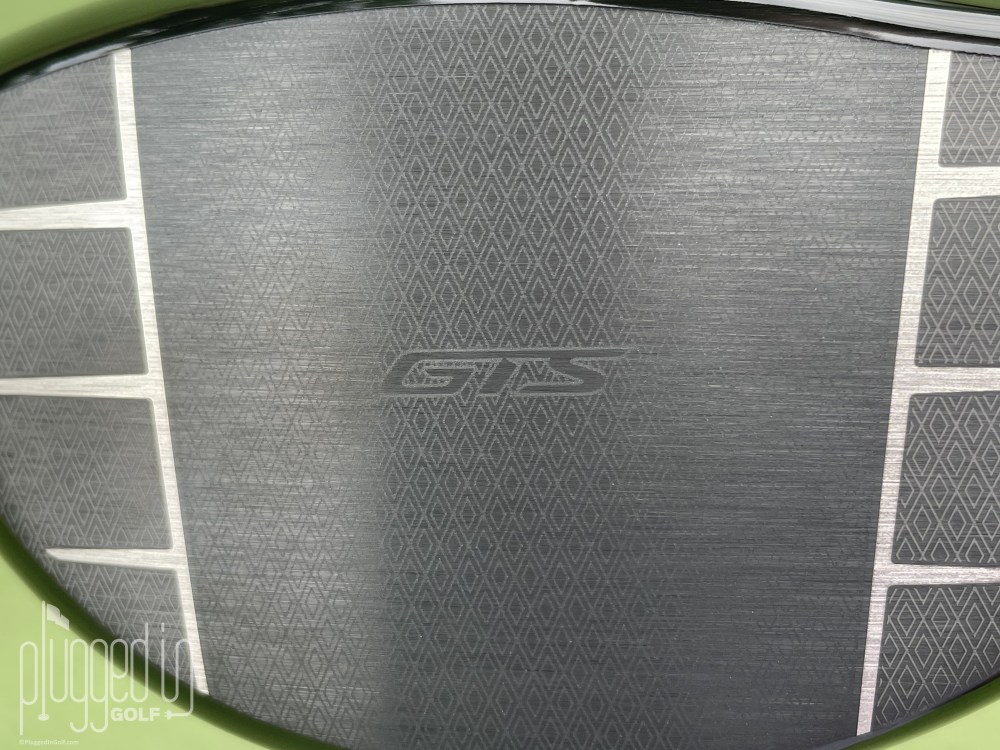
While Matt Meeker and I don’t have a lot in common when it comes to our golf games, the one thing we both need is more spin. That was a major factor in both of us being fit for the Titleist GTS2 driver. All else equal, this is going to be higher spinning than the GTS3 [review HERE] and GTS4 drivers. That said, it’s not remotely a high spinning driver; I would call it mid spin at most. What is high is the spin consistency. In my testing – which included shots all across the face – there were only a few shots outside of a 400 RPM range.
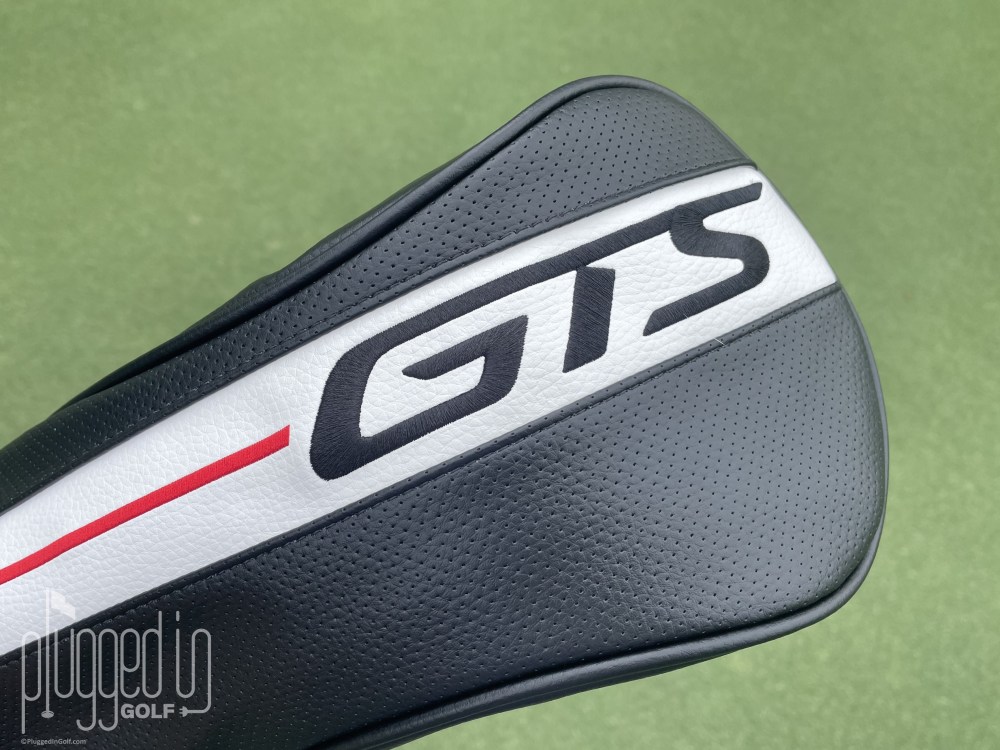
Meeker and I were both very happy with the top end of our bags, but the Titleist GTS2 driver is making a real push to take both spots. For me, I’m getting the potential for more speed and distance with forgiveness that rivals my current gamer. As my fitter said told me, with the heavier weight back, the GTS2 driver rivals other OEMs’ max forgiveness drivers. After several years with TaylorMade, Matt Meeker is seeing the possibility of even more distance and consistency. He “saw beautiful high trajectories that seemed to carry forever with ample roll-out.” Keep your eyes on this review for updates as we continue our testing. [See Price / Buy]
Conclusion
Overall, the Titleist GTS2 driver is one of the most impressive drivers I’ve hit this year. The fact that it can be a great fit for players as different as Matt Meeker and me is just one reason. The GTS2 proves that you don’t have to choose between high performance and forgiveness. It’s simultaneously easy to hit and one of the fastest drivers on the market. [See Price / Buy]
Delivering impressive distance from any impact point, the Titleist GT2 Driver extracts maximum performance through a forgiving design. Get the stability and added confidence of a high-MOI driver without sacrificing speed.
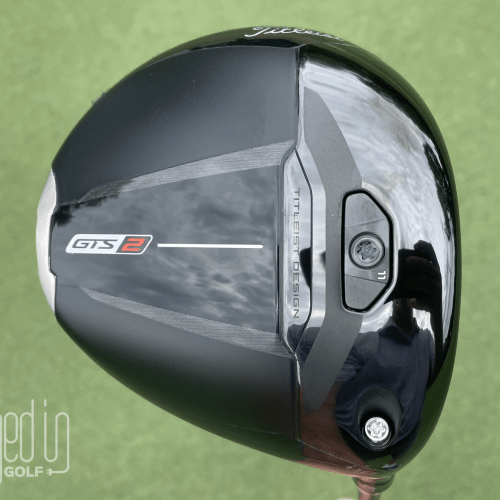
Titleist GTS2 Driver Price & Specs

He founded Plugged In Golf in 2013 with the goal of helping all golfers play better and enjoy the game more.
Matt lives in the northwest suburbs of Chicago with his wife and two daughters.
- Graphite Design Tour AD EK Shaft Review - September 2, 2026
- Tanso Golf 249-MB Irons Review - September 2, 2026
- HeyBike Hybrid E-Bike Review - September 1, 2026





30 Comments
Hey Matt, and great review
I noticed your swing stats (for you, 106 club head speed resulted in 287 yards). Would you say those appear to be normal stats, or would you say the GTS2 technology improved your numbers as a whole?
Note: I’m thinking the tech may play a role. I saw Meek’s stats, and I don’t recall seeing any driver with an 81 MPH swing getting almost 220 yards (for what it is worth, no offense to either one of y’all)
Michael,
Those are not unusual for me. Ball speed can’t get any faster “legally” – 1.5 MPH of ball speed for every MPH of swing speed. If you optimize your carry distance, you’re hoping for 2.5 yards per MPH of swing speed. From there, it’s a question of how much roll out you can get from the places you play.
Best,
Matt
120 ball speed especially with that low spin will easily yield 220 yards total (not carry) my SS is around 83 and ball speed 122 to 125 and that results in usually 199 to 204 carry and 225 to 230 total.
Recent Titleist drivers have dripped elegance with the appearance of fine art while maintaining a spot at the frontlines of performance. The GTS looks like a bolted together, unfinished prototype. Have been looking forward to this release. Unless there are meaningful performance improvements over the GT it will be an easy pass for me.
Agreed the looks are a miss for me. But the rapid tour adoption tells you it works – if the performance was crap, the pros wouldn’t put it in play.
Did you ever test a TSR2? How much of an improvement are you seeing?
Alex,
We have a full review of the TSR2 here: https://pluggedingolf.com/titleist-tsr2-driver-review/
Best,
Matt
Great review….so this appears to have a similar weight system in the TSR4 ??
Joe,
Yes, that’s correct.
Best,
Matt
Matt M.: it looks like your performance numbers for the GTS3 and Qi4d are almost identical. As a fellow moderate speed swinger, I’m very curious for your comparison—objective, subjective, or otherwise!—between the two. Thank you both for the great work you do!
They are indeed very similar. I’ll be conducting some additional testing over the next several weeks to see which deserves the primary spot in my bag. Right now I’d be super happy with either one – both offer the speed and forgiveness I seek. Stay tuned.
Thanks for reading Peter.
– Meeks
(Should have said GTS2; apologies.)
Great read, Matts! Seems like Titleist’s crushed it again.
Chiming in to ask if we’re getting a TT Titan separate review soon. Thanks!
George,
Thanks.
If there’s interest in a Titan review, we can get one in the works.
Best,
Matt
Please! Plus 1 for the Titan review
We have it en route for testing!
Best,
Matt
What is the TT Titan?
The Project X Titan is one of the stock shafts for the GTS wood and the one I was fit for. True Temper owns Project X, which is where the “TT” came from, I assume.
Best,
Matt
By far my favourite and most trusted reviewer. A true pleasure to read every time. I am sincerely jealous of your job.
Looking to get fit into this lineup (driver, 3 and 7 wood) in a couple of months. I cannot wait.
Thanks, Ross!
In this day and age of AI, its nice to see a detailed review like this. Can you do a review of the GTS fairway woods in comparison with other top fairway woods, like G440 or Qi4D please?
Thanks!
Thanks for the kind comment Alex. We have GTS fairway reviews in process.
– Meeks
Your spin appears a bit low-fitter could have fixed this with SHAFT fitting which appears to have been minimized if any.
Low for whom?
Bonjour
je joue actuellement avec le PXG BLACK OPS, d’après vous y aurait ‘il un intérêt pas jouer un GTS
Merci pour tout vos tests
Franck,
Is there anythiing about the Black Ops you’re not happy with? I think the GTS2 is a bit more aerodynamic, but that’s going to be a difference that’s measurable, not noticeable.
Best,
Matt
Excellent review. I have a question for Matt Meeker: with a swing speed of 81 mph, what flex setting on the Graphite Design FI did they recommend?
Thanks for reading Juan. 5 R1
– Meeks
For Matt Meeker, I’m considering the tour ad fi shaft with Qi4D. Have similar swing speed as you. May I know the flex and weight on your Titleist shaft. Which are you keeping, Taylormade Qi4D or Titleist?
Thanks for reading Cesar. My Tour AD FI is 5-R1. The Qi4D is still in the bag, but my GTS2 is on-deck and ready to go. You can always see what’s in my bag under the “about” tab HERE.
– Meeks