
50 Words or Less
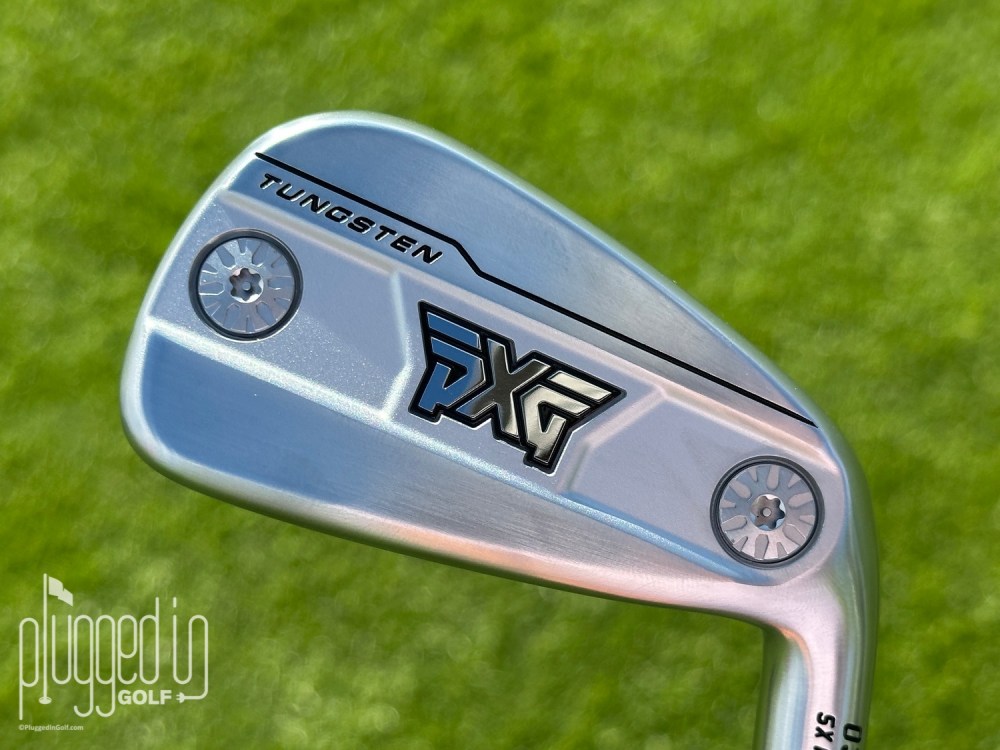
The PXG 0311 T GEN8 irons offer a significant leap forward in forgiveness for a players iron. High and consistent ball speed. Dual weight opens up new doors in club fitting.
Introduction
When PXG released the 0317 T irons [review HERE], I truly felt they’d been designed just for me. They looked the way I wanted, they felt great, and they had all the forgiveness I needed for the days when my lack of practice catches up to me. I genuinely did not know if they would ever leave my bag. Then, in October 2025, I took a trip to Scottsdale National Golf Club and was introduced to the PXG 0311 T GEN8 irons. Sorry 0317 T, you had a good run, but I have new gamers now.
Looks
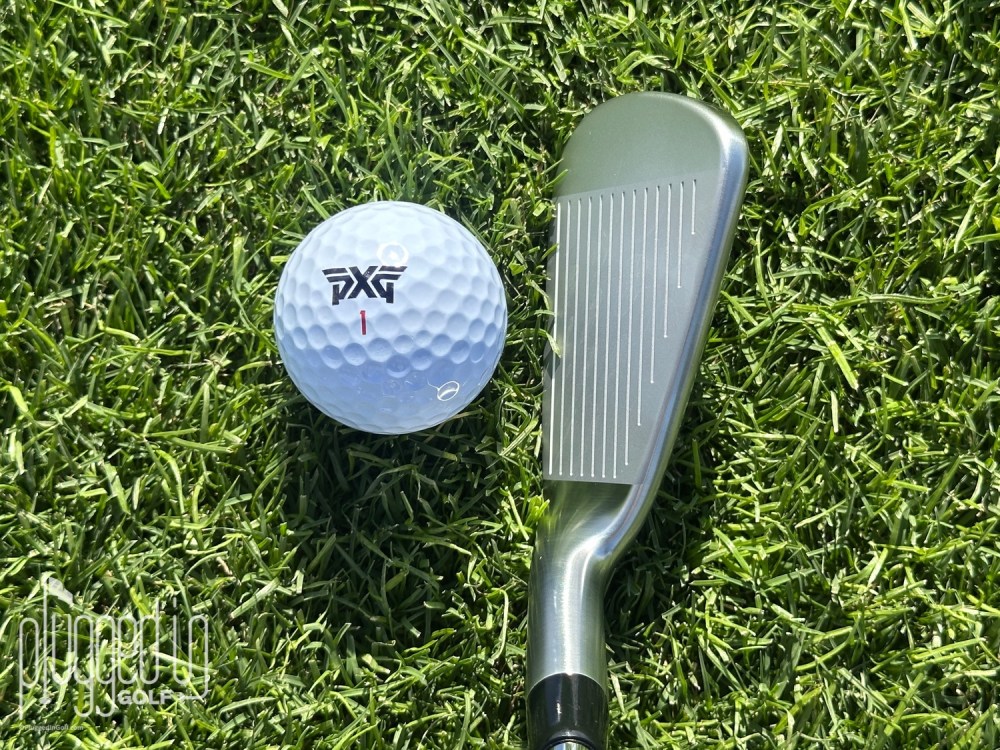
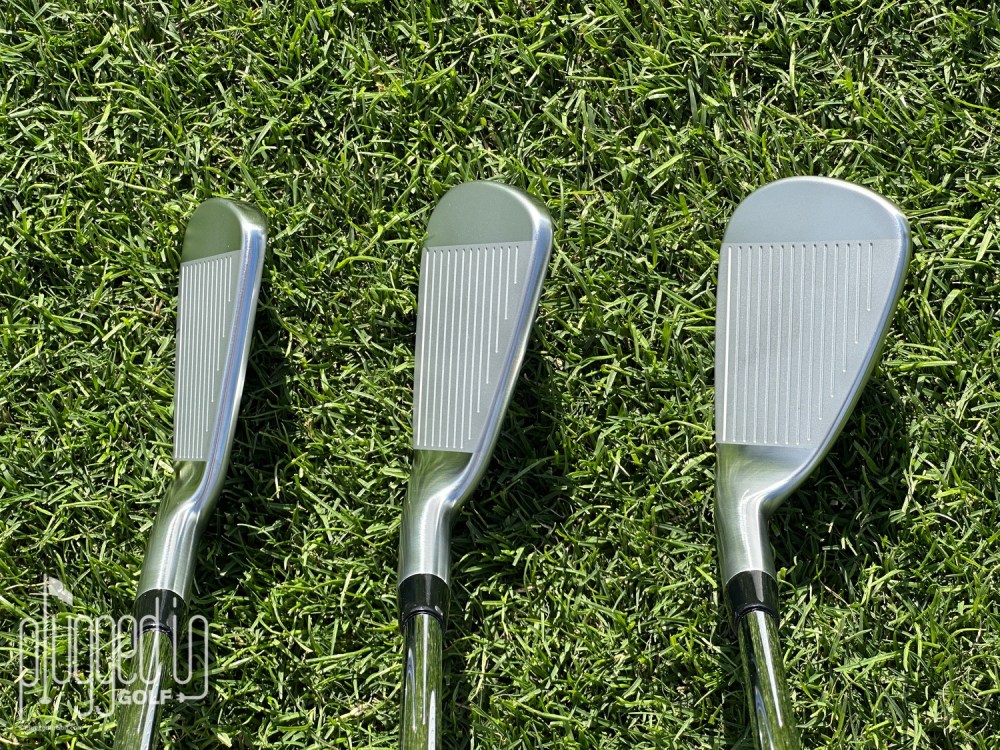
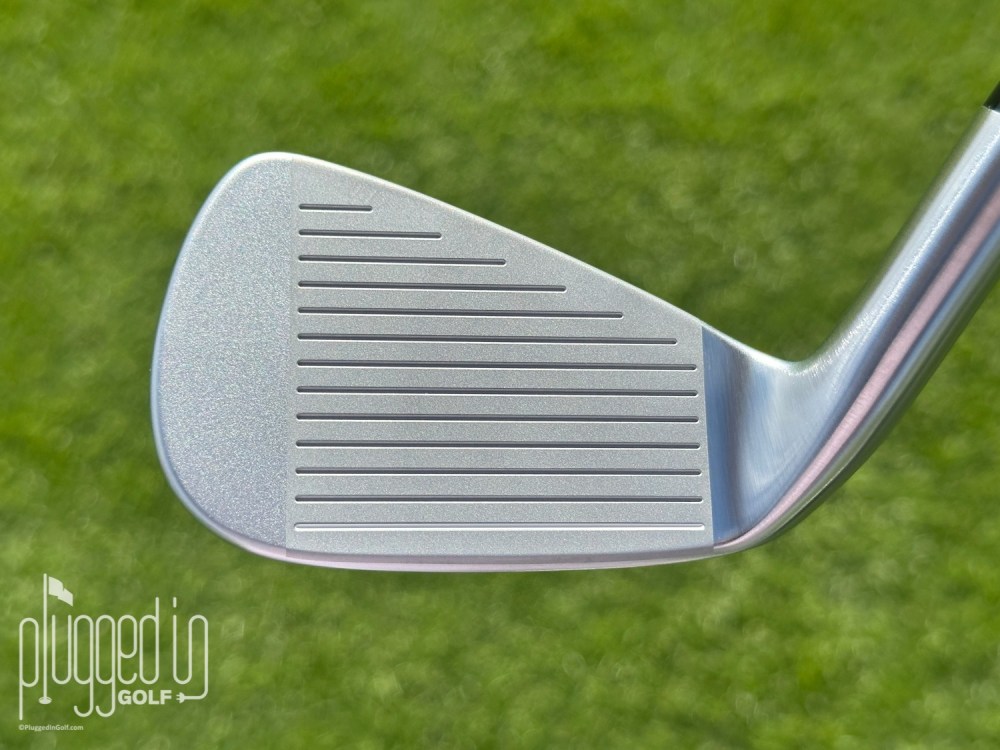
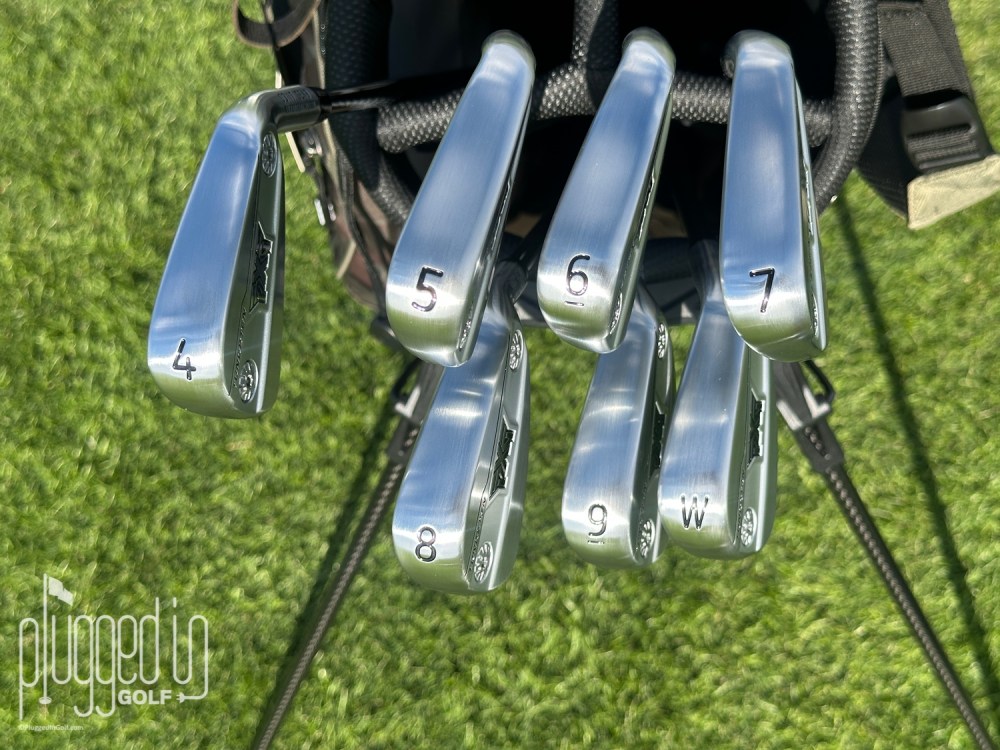
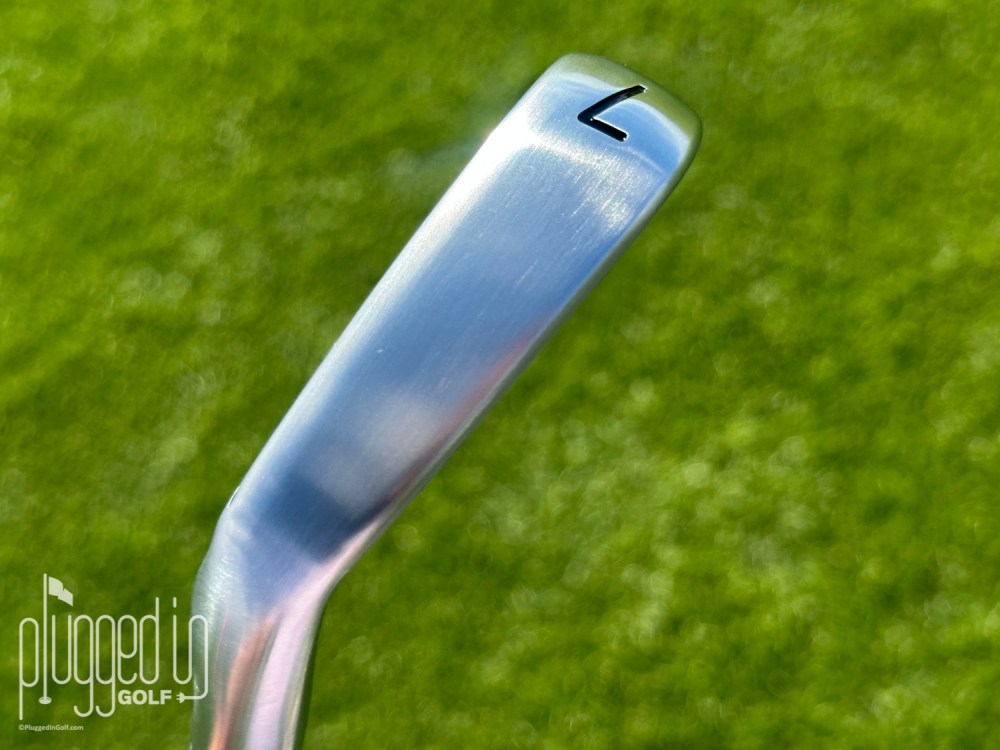
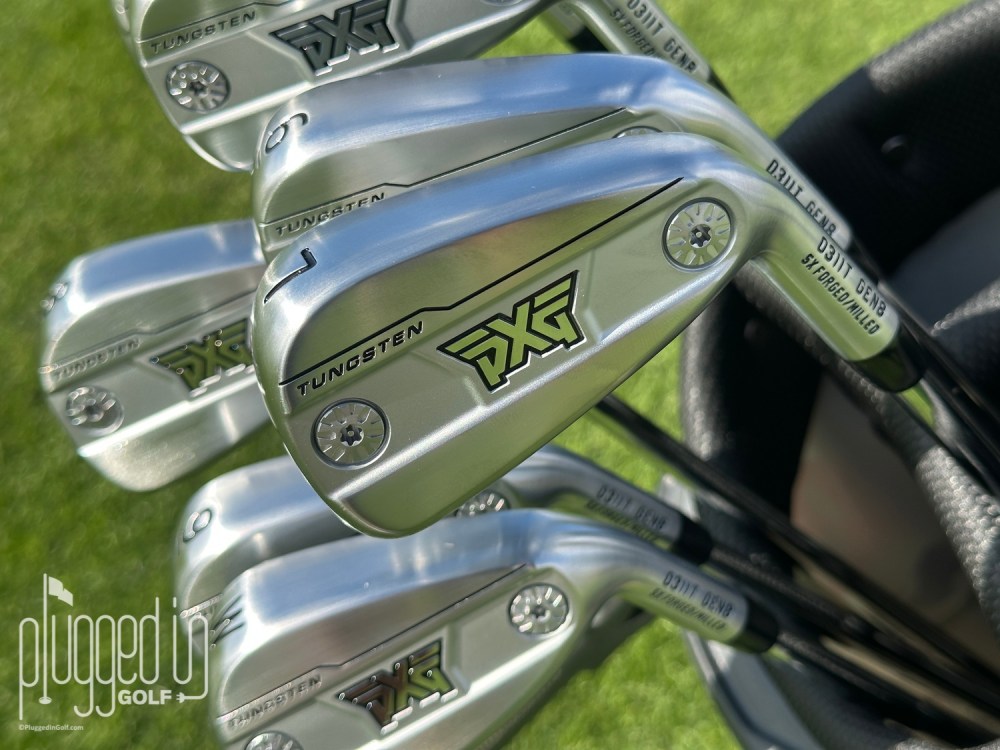
The PXG 0311 T GEN8 irons is the slimmest of the GEN8 irons. It’s compact from heel to toe with a fairly thin top line and modest offset. At address, this is a very good looking players iron. Comparing it to the 0317 T, the top line of the GEN8 is a hair thinner, and there’s been an improvement to the shaping where the face meet the hosel.
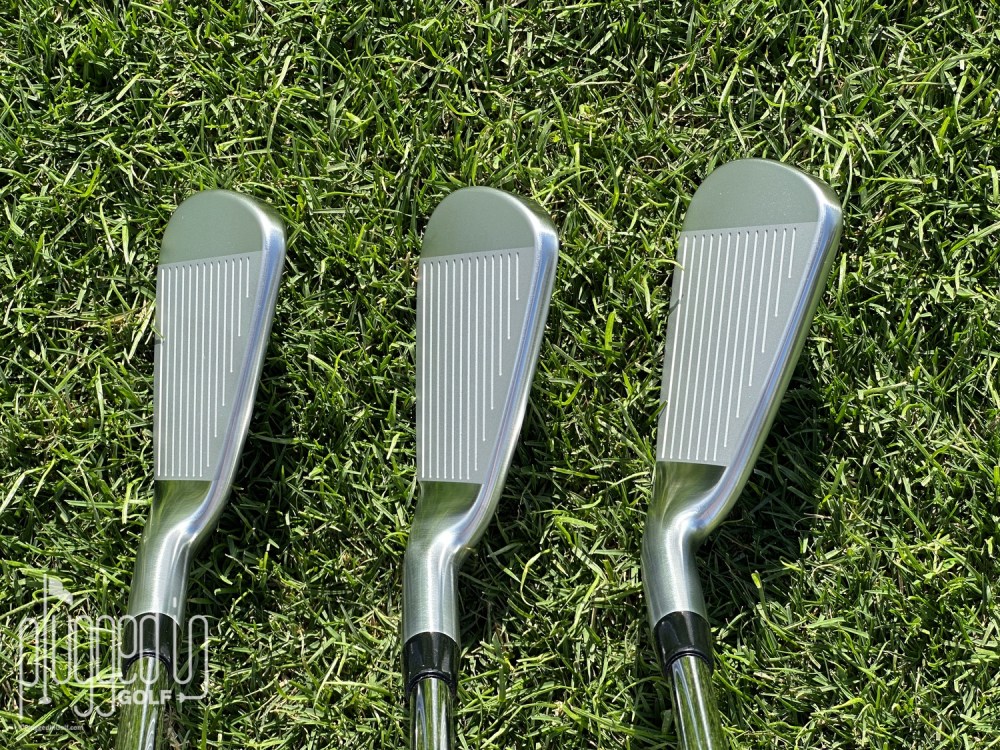
Above you can see, from left to right, the T, P, and XP GEN8 irons. To my eye, PXG did a really good job keeping the P [review HERE] very close to the T in size and shape. I think there are some performance issues with doing a combo set, but visually it could work. The biggest differences are the offset and top line. The jump from the P to the XP [review HERE] is much more noticeable – the XP is longer, thicker, and has more offset – but I think each iron is very good looking within its category.
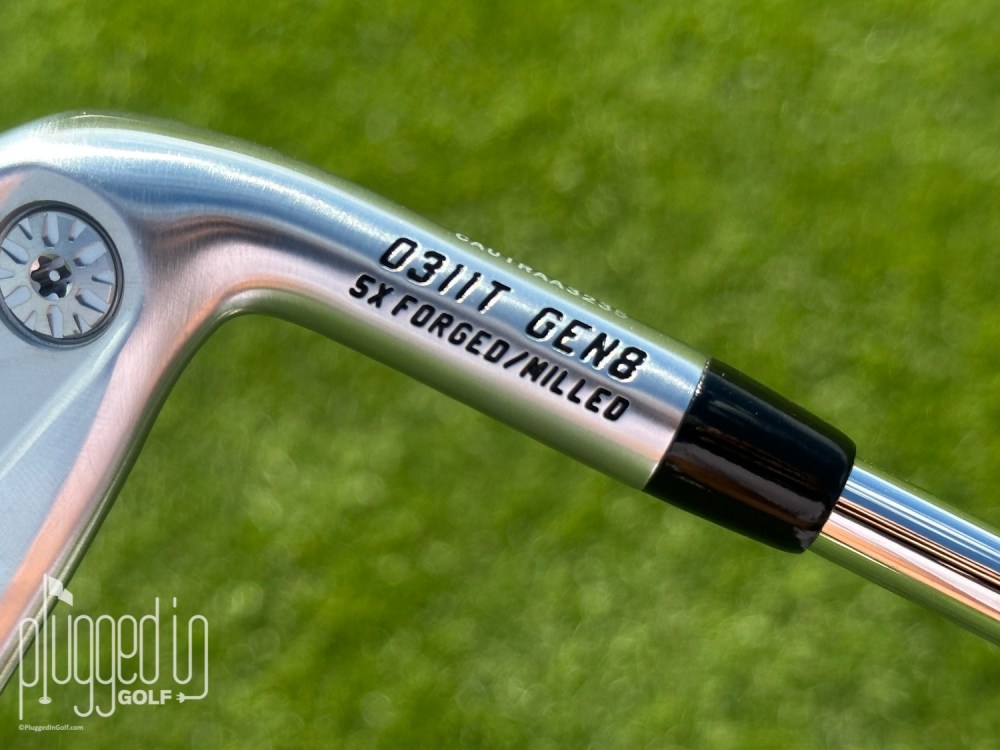
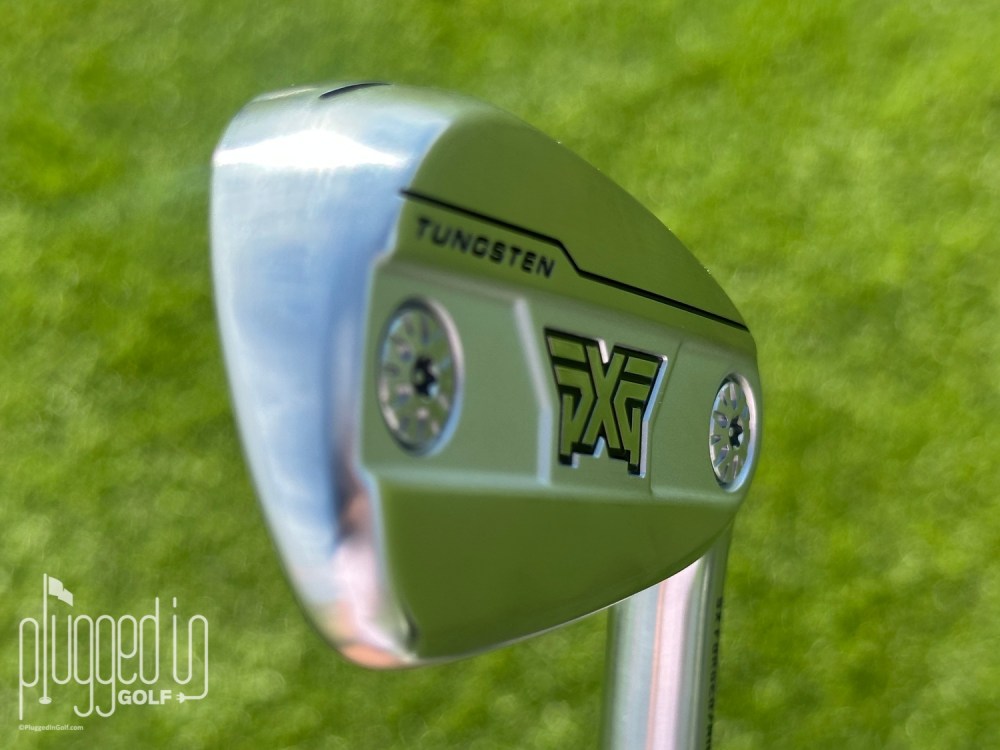
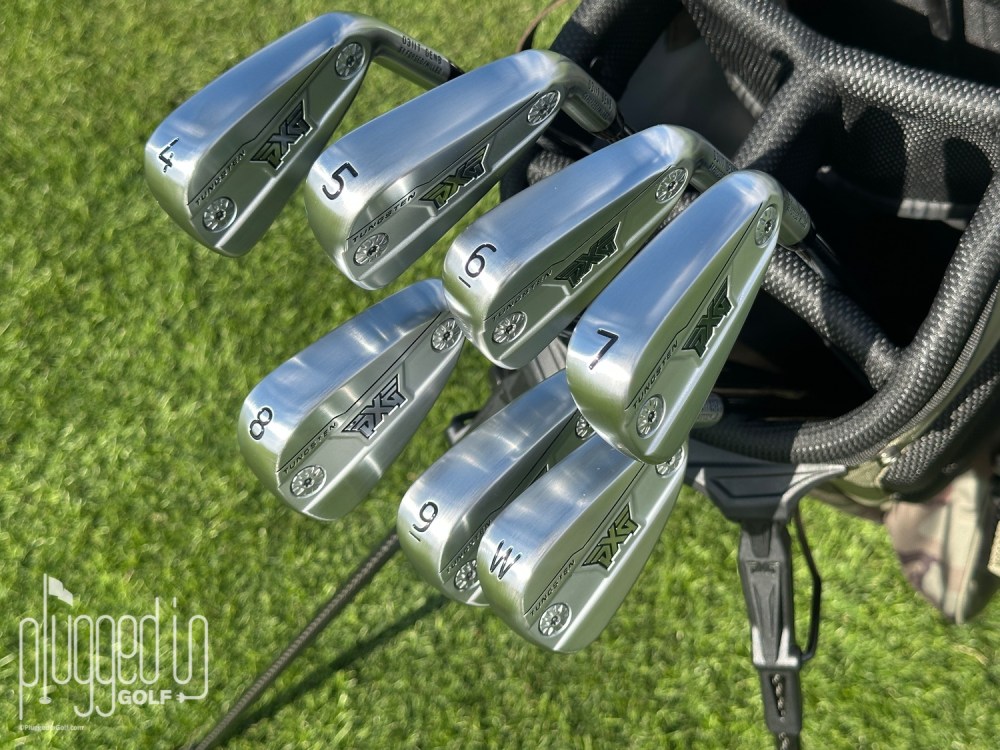
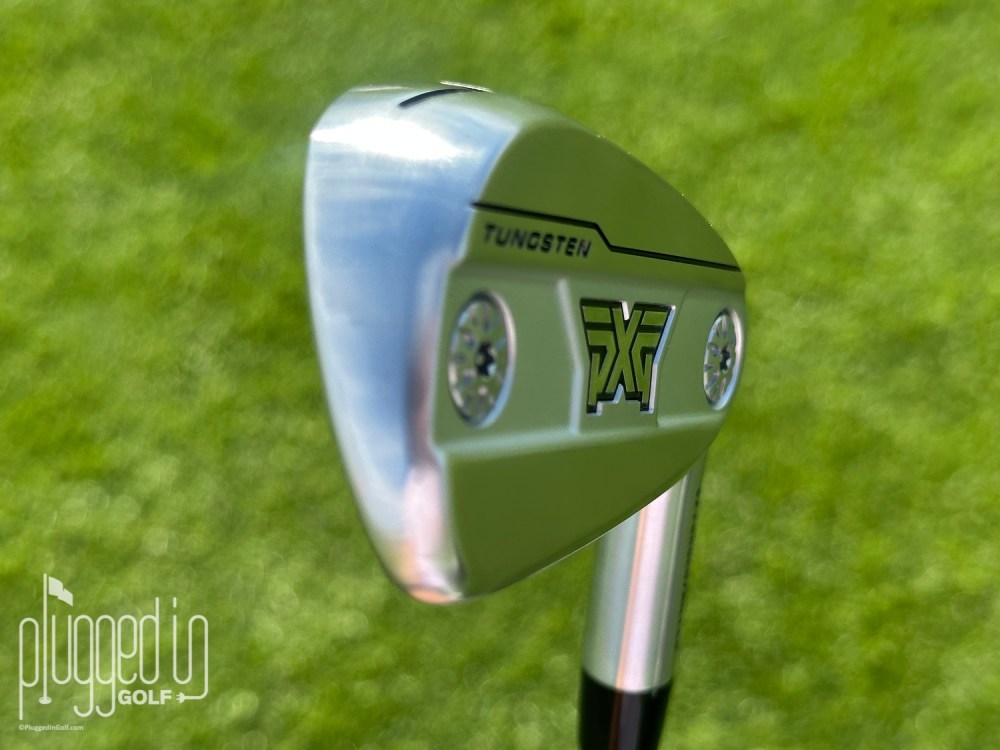
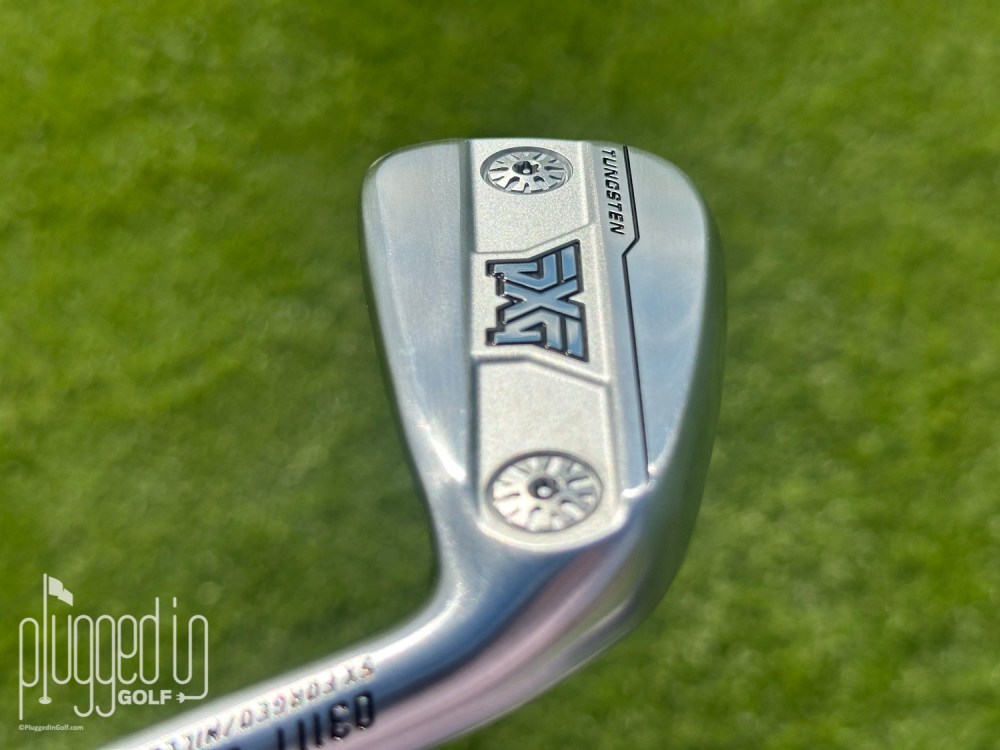
In the bag, the PXG 0311 T GEN8 irons are a notable departure from previous 0311 models. The biggest difference is the change in the weights. Where GEN4 through GEN7 had a larger weight in the center of the head, the GEN8 irons have two weights – one toward the heel, one toward the toe. My first reaction was that I didn’t really like the busier look, but as I’ve spent more time with them I’ve come to appreciate the monochromatic aesthetic.
Sound & Feel
Get thirty golf media folks, specifically gear nerds, in the same room, and they will find plenty to disagree about. However, one thing that I heard from everyone was that they loved the softer feel of the GEN8 irons. There’s a new polymer in these irons – QuantomCOR – and more of it, thanks to the new weighting. This provides a soft, solid feel that’s reminiscent of the early generations of 0311 irons. There’s ample tactile feedback, but even thin mishits refuse to sting your hands.
The sound of impact with the PXG 0311 T GEN8 irons is very pronounced despite being no more than average in volume. A Tour-caliber ball produces a “snap” on centered strikes that becomes dull when you move off center. This pairs with the feel to provide unambiguous feedback on strike quality, which is important given the level of forgiveness in these irons.
Tech Talk
There’s a lot of tech to talk about with the PXG 0311 T GEN8 irons, so I’m going to give it its own section. If you just want to know what the clubs do in hand, feel free to skip ahead to the next section.
The biggest change from the 0317 T to the 0311 T GEN8 is the dual weighting. This change does two important things: it makes the irons more forgiving and adds another dimension to the club fitting/adjustability.
Starting with forgiveness, the new weighting system moves roughly 11 grams from the center of the head to the perimeter. This combines with an internal tungsten weight to give the PXG 0311 T GEN8 irons a 17% boost in MOI compared to the 0317 T. In an era where OEMs are up against the limits for performance, this 17% jump is an absolutely staggering number.
Turning to adjustability, the dual weight ports can house weights ranging from 1 to 12 grams. This gives golfers and club fitters a huge range of options for tuning their clubs to their preferences. It can be used, as the previous system was, to dial in swing weight, but it also allows the clubs to be biased toward a fade or draw. In their testing, PXG saw that 83% of players could feel the difference when the weights were imbalanced and 100% experienced a change in their face-to-path at impact.
Getting even deeper into the club fitting weeds, the dual weighting will allow fitters to focus their lie angle fit only on turf interaction. Traditionally, fitting lie angle has been as much about fixing ball flight as it has about the club’s impact with the ground. Now that the ball flight can be fixed with weights, lie angle can be left for its “proper” purpose.
Finally, the PXG 0311 T GEN8 irons are filled with QuantomCOR, a polymer that helps each iron reach the USGA limit for C.O.R. (ability to create ball speed). Because the weight has been moved away the center of the face, there’s room for more polymer, leading to improvements in feel, ball speed, and launch angle – what PXG calls Deep Core Recoil Technology.
Performance
In 2025, I played less golf than I have in any year since I took up the game. Additionally, I went into this fitting (October 2025) a month removed from knee surgery. While I swung the club much better than those facts would lead you to think, I still gave the PXG 0311 T GEN8 irons ample opportunity to show off their forgiveness.
During the fitting, it was that forgiveness that stood out both in the ball flight and in the launch monitor numbers. I tested all three GEN8 models and actually had the most consistency with the T. Of course, this had a lot to do with my comfort with this type of iron and my preferences, but it also speaks to the level of forgiveness that PXG has packed into these irons. As I noted in the Tech Talk, the PXG 0311 T GEN8 irons have a 17% higher MOI than my 0317 Ts. That showed up in a dispersion pattern that was extremely tight both left to right and long to short.
Two days after the fitting, I got to take these irons to the course at Scottsdale National. What stood out there was the easy, high launch and distance. There were instances where I was hitting the 5I 200 yards with a trajectory that could hold the green. This got me very excited to take them home and find out how much of that was the PXG 0311 T GEN8 irons and how much was the thin desert air.
When I got the PXG 0311 T GEN8 irons home, I took them straight to my launch monitor. To answer my previous question, the distance gains were real: I picked up about 5 yards with the potential for more when I went after the ball. But the more important piece is the consistency. Shot after shot, the ball flew straight and went the same distance. There’s ample ability to shape the ball with these irons, but you can also play point-and-shoot golf. They’re really the best of both worlds.
During my PXG visit, something that several media members remarked on was the relatively low spin of the GEN8 irons. As a fairly low spin player, I didn’t see a noteworthy difference, but others did. PXG explained that lower spin is the tradeoff for higher ball speed and higher launch with the thin face and polymer core. Beyond the virtues of extra distance, higher launch and higher speed combine to create a steeper landing angle, so more spin is not necessary. Again, I saw only a modest spin difference between the 0317 T and the PXG 0311 T GEN8 irons, but I did see evidence of the higher launch and speed creating steeper landing angles.
I’ll close by sharing my experience with the dual weighting system. After we got all the other specs for my PXG 0311 T GEN8 irons locked in, my fitter, Terry Trammel, suggested we move around some weight. Since I fight a hook and prefer a fade, he removed one gram from the heel and put that extra weight in the toe. Despite this being the smallest change possible, I felt the difference and saw the change in ball flight*. We determined that since I tend to miss in the heel more than the toe, this change wasn’t worth making, but it does indicate that this tech can have a major impact on performance.
*Obviously this is not a perfect scientific test since I knew the weight was being moved. This is something I’d love to explore in a future Golf Myths Unplugged. If this is interesting to you also, let me know in the comments.
Performance Update
Now that the 2026 season is fully underway, I’ve made some changes to my WITB [find them HERE], including making the PXG 0311 P GEN8 irons an officlal part of my daily kit. The biggest reason is the forgiveness and consistency.
Since the calendar turned over to 2026, my golf has been extremely inconsistent. I’ve had some small injuries, I’ve done a load of testing, and life has been very busy. All this means very little time spent working on my game or even hitting my gamers. Yet, every time I pick up one of these irons, they make me look good. In my first “real” round of the year – no review equipment, just playing my own clubs for my own enjoyment – I shot a tidy one over par. This is in no small part because every iron shot landed on or around the green, despite my swing not being in peak form.
As someone who needs forgiveness a lot of the time, but always wants a slimmer look and sometimes wants shot control, I can’t ask for more.
Conclusion
While I try not to make golf club decisions when there’s snow on the ground, I’m not sure what could keep the PXG 0311 T GEN8 irons out of my bag in 2026 [follow my WITB HERE]. These irons have everything I loved about my previous gamers but with significantly more forgiveness. If you’re looking for new irons this year, you owe it to yourself to explore the unmatched fitting options of PXG’s GEN8 irons.
Visit PXG HERE
PXG 0311 T GEN8 Irons Price & Specs


He founded Plugged In Golf in 2013 with the goal of helping all golfers play better and enjoy the game more.
Matt lives in the northwest suburbs of Chicago with his wife and two daughters.
- Aldila Rogue ∞ Blue Shaft Review - October 9, 2026
- Avoda Golf W2 Wedge Review - October 8, 2026
- SlackBoard Review - October 7, 2026





Join the Conversation | 22 Comments
A Golf Myths Unplugged on the impact of heel/toe weighting is a great idea – anything that potentially culls the wheat from the chaff when it comes to the difference between truly impactful and marketing gibberish is of great value to golfers at-large. I strongly suspect heel/toe weighting will move the needle appreciably when it comes to performance (sidespin and face angle) when it’s evaluated in an unbiased and objective/quantitative fashion, but Golf Myths Unplugged could confirm this or remind me why I have brown eyes!
Agree with Ian. Seems like something very easy to do with lead tape and maybe a strip of duct tape over it to hide it from the testing golfer.
I use lead tape on my irons, to dial in feel, but I wouldn’t have thought moving one gram would change flight. TIL… (On drivers, it absolutely works for spin management.)
They sound like amazing sticks Matt. Great review.
Wow Matt, great review as always. These look fabulous. Can’t wait to get fit. Also coming off knee replacement 8/25 so I’m ready to give it a go !!!
I know I’m not the first person to complain about those but why does every iron need to have TUNGSTEN stamped on it – they’d look so much cleaner with that space just blank!
Mike,
I’m with you – I would be fine if I never saw “tungsten” on an golf club again.
Best,
Matt
Thanks for the review, Matt.
Can you share your spin changes from the 0317T to the new Gen8T? I realize everyone’s experience with spin is different and your results aren’t going to be someone else’s results, but I would just like to understand what you consider “low spin” from the review. Landing angle is way more important to holding greens, but I’m curious to understand your spin experience.
Jason,
My spin wasn’t meaningfully lower, maybe 100-150 RPM. My landing angles were the same. Others saw bigger differences in spin.
Best,
Matt
Great review as always! Although most of my irons have some lead tape on the toe, I do find it hard to believe moving only 1 gram made a difference. Assuming a 254 gram 5 iron head that’s a very small % of total weight. I mainly add weight to try to hit a certain static weight and MOI, but I will put it on the toe since I fight hook with the irons at times and (only) in my mind that will help. Having those 2 weights is really nice but I agree it’s kind of busy and you do lose that “player” look without lead tape.
Are the two weights adjustable by the customer? Or are they locked in at fitting and only can be adjusted by PXG (which is the way prior gen PXG irons worked)?
Peter,
At this time, they’re meant to be set by a fitter and left alone.
Best,
Matt
Is the Bladelength similar to the Ping i240 or is the T version a smaller head
Robert,
It’s very close. If there’s a gap, the T is a bit smaller.
Best,
Matt
How are these compared to the blueprint S in terms of forgiveness and size? I game the i230’s and would these be comparable in terms of forgiveness
Thanks!!
Will,
These are more forgiving than the Blueprint S.
-Matt
From a feel standpoint are these closer to Ping i230 or Mizuno MP 20 ?
Steve,
I think PXG has a feel that almost entirely unique to them, not particularly close to either of those irons.
-Matt
Matt
Great review – any plans to review the Cobra 3DP line? (Tour, X or MB)
Thanks
Scott
Scott,
Nothing concrete at this time, but we’re certainly open to it if there’s enough interest from the readers.
Best,
Matt
Matt knowing you’ve bagged both, could you give an of your thoughts on the Gen 8T’s vs the 2025 T150’s? I got a full fitting for both over the weekend and they were really close minus the Gen 8T’s having better spin numbers and the T150’s feeling pretty explosive (7 iron and 5 iron felt easy to get ball speed out of). I’m leaning PXG’s due to the spin but curious what you saw on the course and feel comparison! Thanks a ton!
Kevin,
As I’ve spent more time with the GEN8 T, I’m more and more impressed with how forgiving they are. For their size, they’re ridiculously easy to hit.
Best,
Matt
Super appreciate the response!
Nice review. I am intrigued to hit these. Having 2 weights on irons does make a lot of sense. Why only have weights on a Driver? Colleague at work who’s a 5 hcp demo’d and ended up buying these not long ago. Said best irons he’s hit in a long time and was surprised by his numbers. He said yes, the weights are all that. I’m a 7 hcp and play T150 which I enjoy. I do have a set of 0317 which I bring out of hibernation here and there and always question why I dont game them full time. I love them, I read where PXG is launching the new 0317’s early 2027 (along with new T Series by Titleist). I’m going to hold and see the twin new launches and compare my numbers but based on the 0311 I cannot see why PXG wont make it back in my bag again. I hate waking into my local PXG store as well because I always end up walking out buying a ton of stuff. It’s beautiful and the fitters are excellent.