

50 Words or Less
The Takomo Ignis D2 fairway wood offers great consistency, forgiveness, and high quality at a lower price. It is easy to hit and does a good job keeping the ball in play. Not built for distance, but the overall performance should suit the intended buyer perfectly.
Introduction
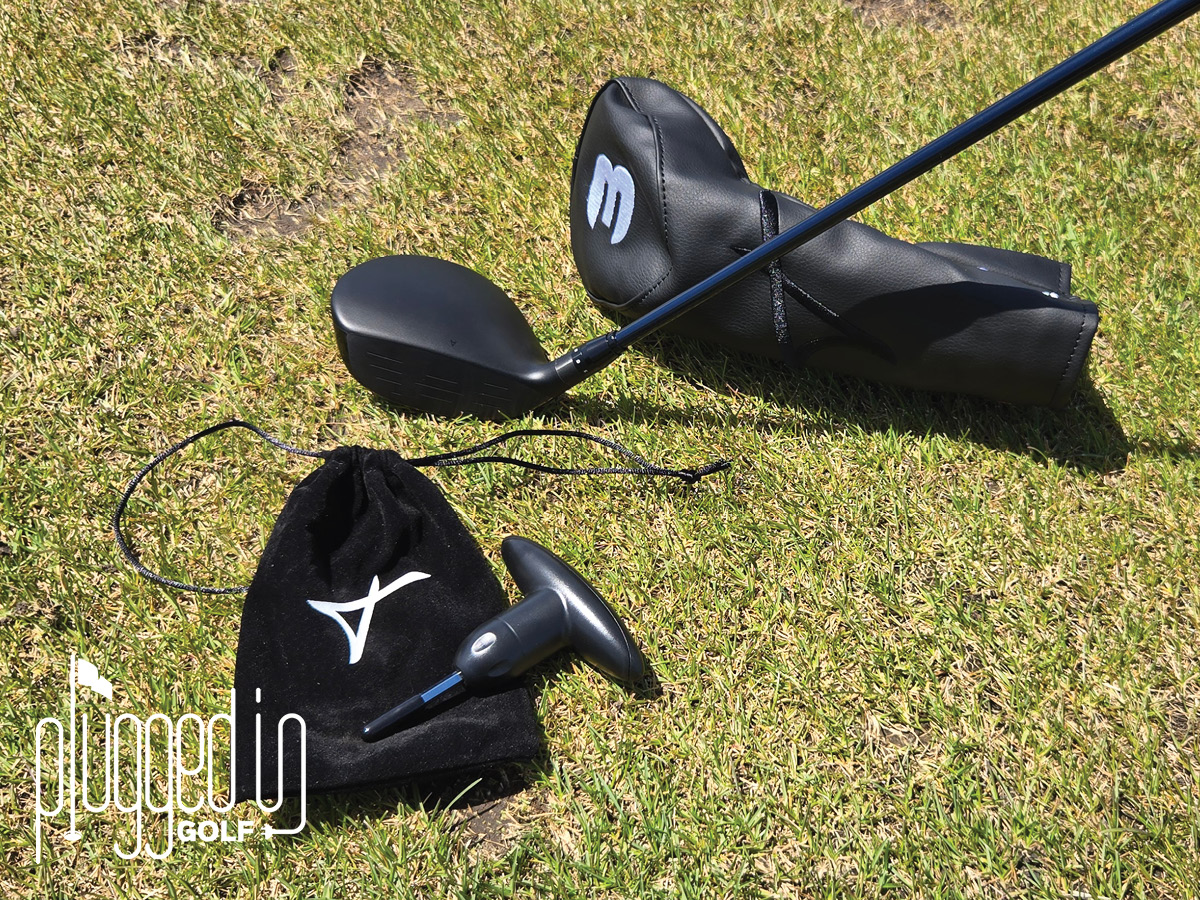
Takomo has been on a meteoric rise in the direct-to-consumer (DTC) golf scene. Largely known for forged irons, they’ve used good looks with a value pricing model to offer a high quality alternative to the big names. Recent growth in their lineup has brought out more models of irons and wedges and a line of fairway woods which I have been testing for the past couple of weeks.
Takomo calls their fairway wood the Ignis D2. It is a game improvement/max forgiveness style club aimed at the majority of golfers coming in at a price point of $269. This price is well above a value brand like Top-Flite, but definitely undercuts the standard offerings from the big name golf companies.
Is the Takomo Ignis D2 fairway wood a club worth buying? Is it competitive against the major company offerings or is it just “good for the price”? The journey to find out has been interesting.
Check out the Takomo Ignis D1 driver HERE
Looks
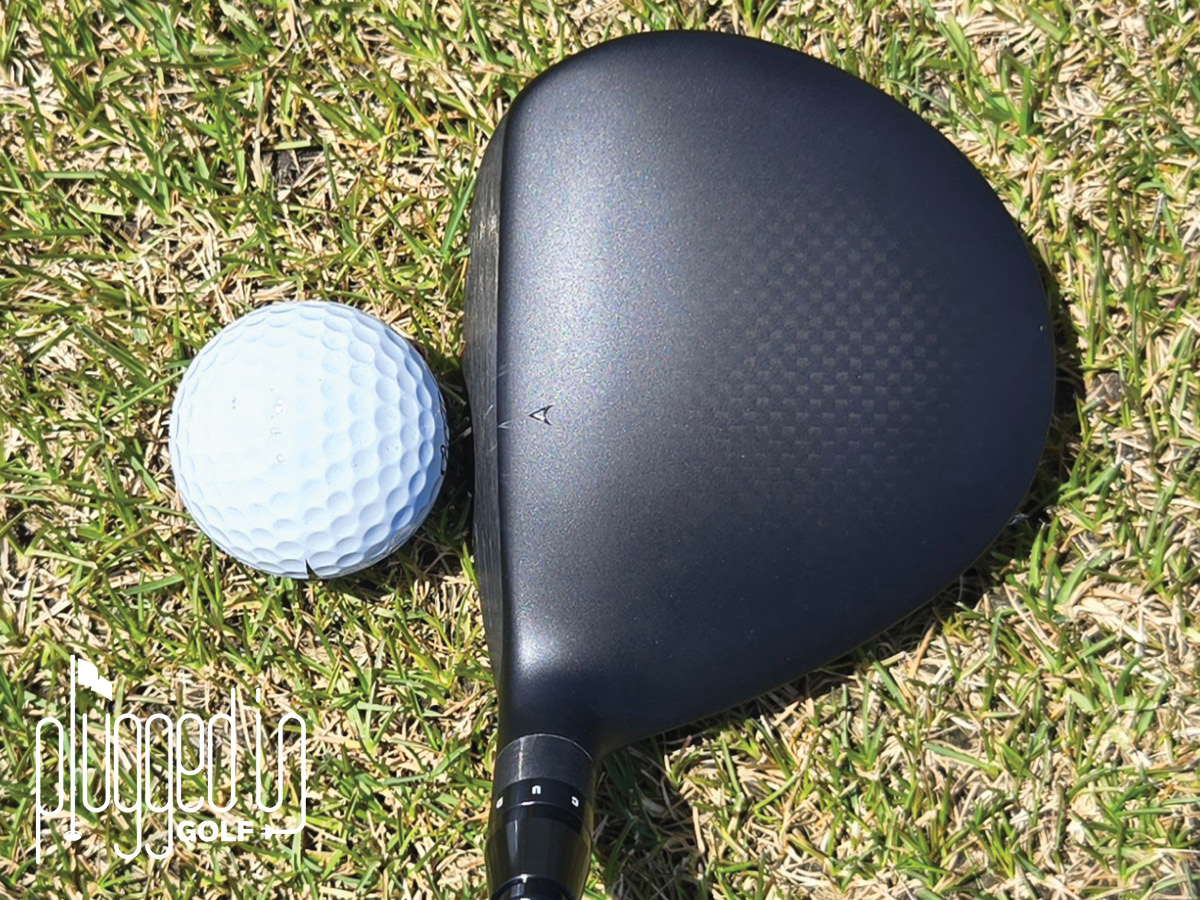
Looks are subjective, but I think most people would like the appearance of the Takomo Ignis D2 fairway wood. The overall styling is clean and attractive in a fairly traditional way.
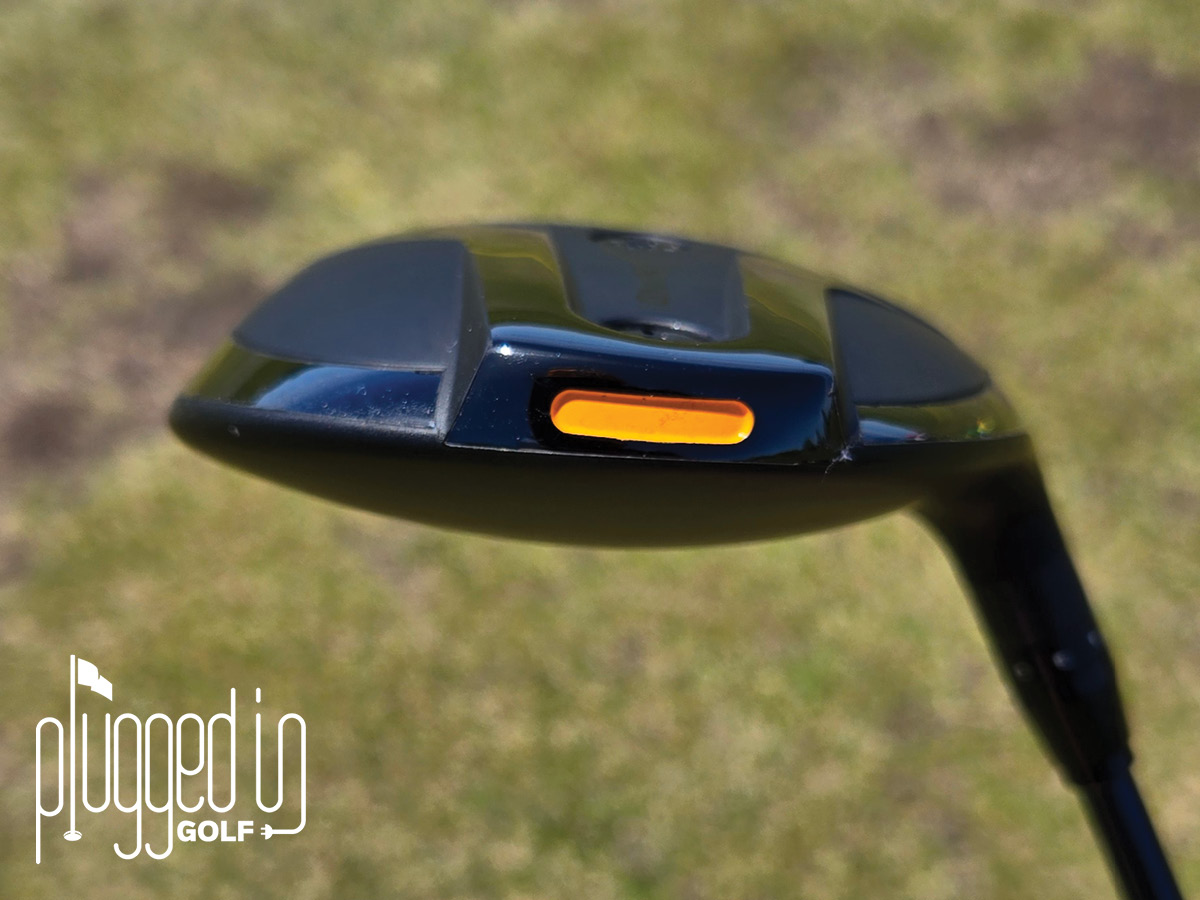
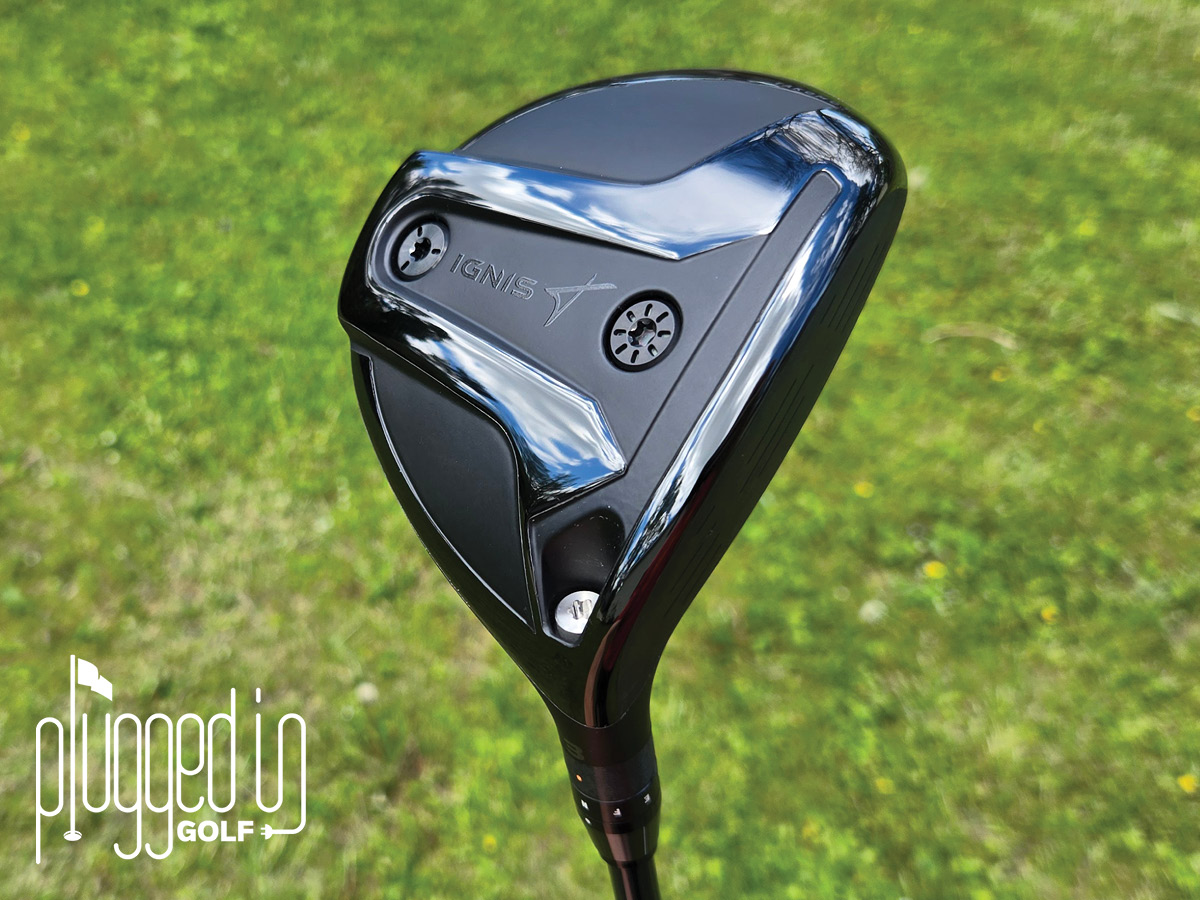
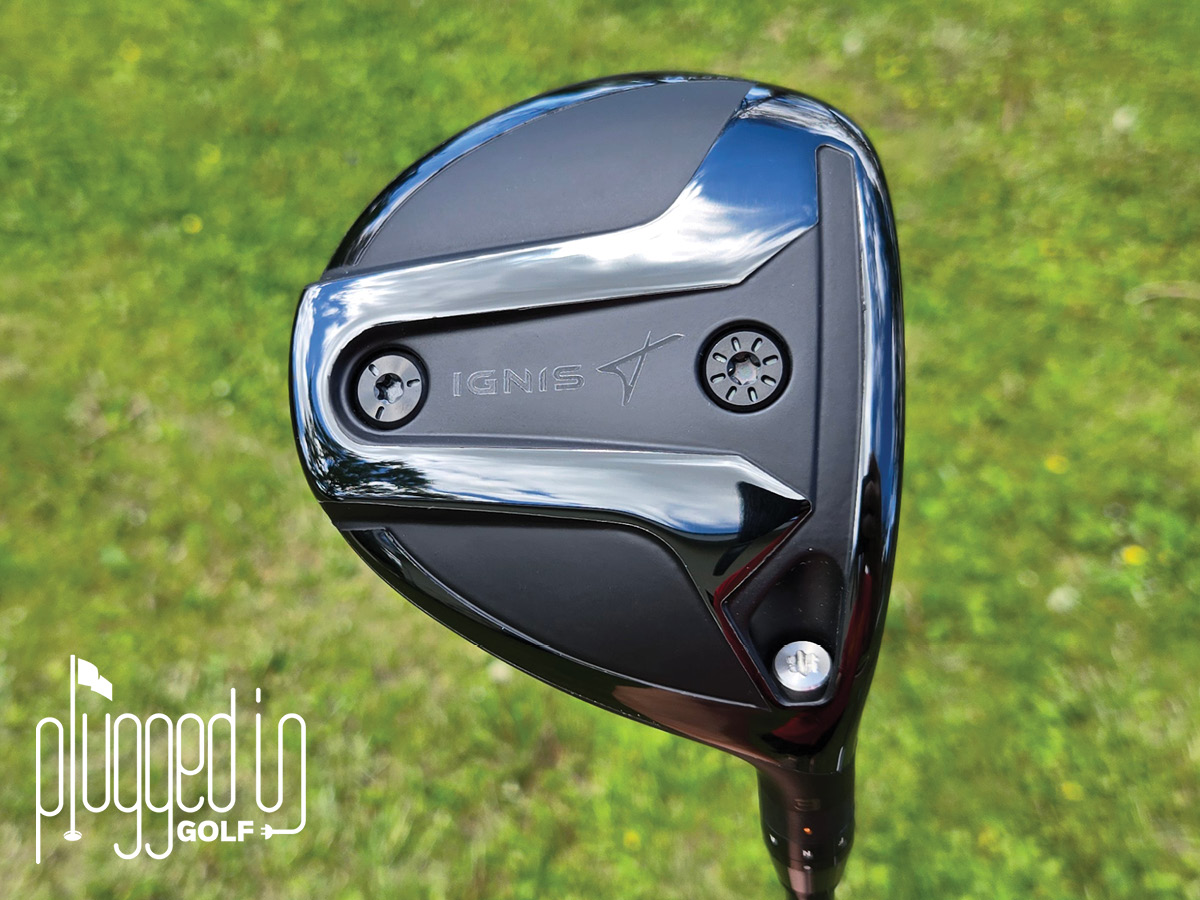
The crown has a matte finish with a simple arrow/dart for alignment. On the rear, there is what I can only describe as a USB-C shaped port with a splash of orange paint inside. Takomo gave the Ignis D2 just enough flair to catch your eye without being gaudy or tacky.
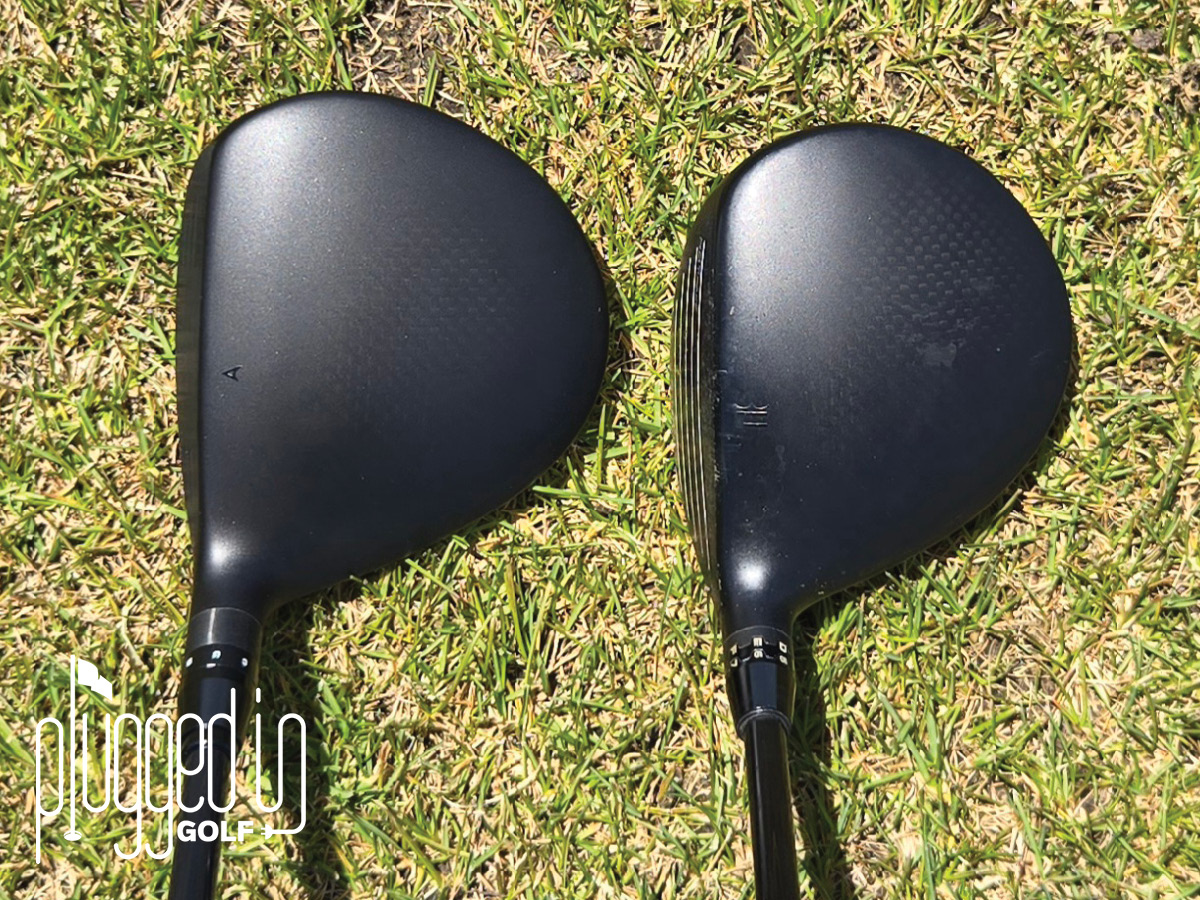
The overall clubhead is definitely on the large side with shaping that is pulled back for higher MOI, edging on triangular. Some may scoff, but for the intended audience I think its oversized nature is a good thing. It was noticeably larger than my Cobra DS-Adapt gamer (above, right), but when using it, I don’t mind the extra size nearly as much.
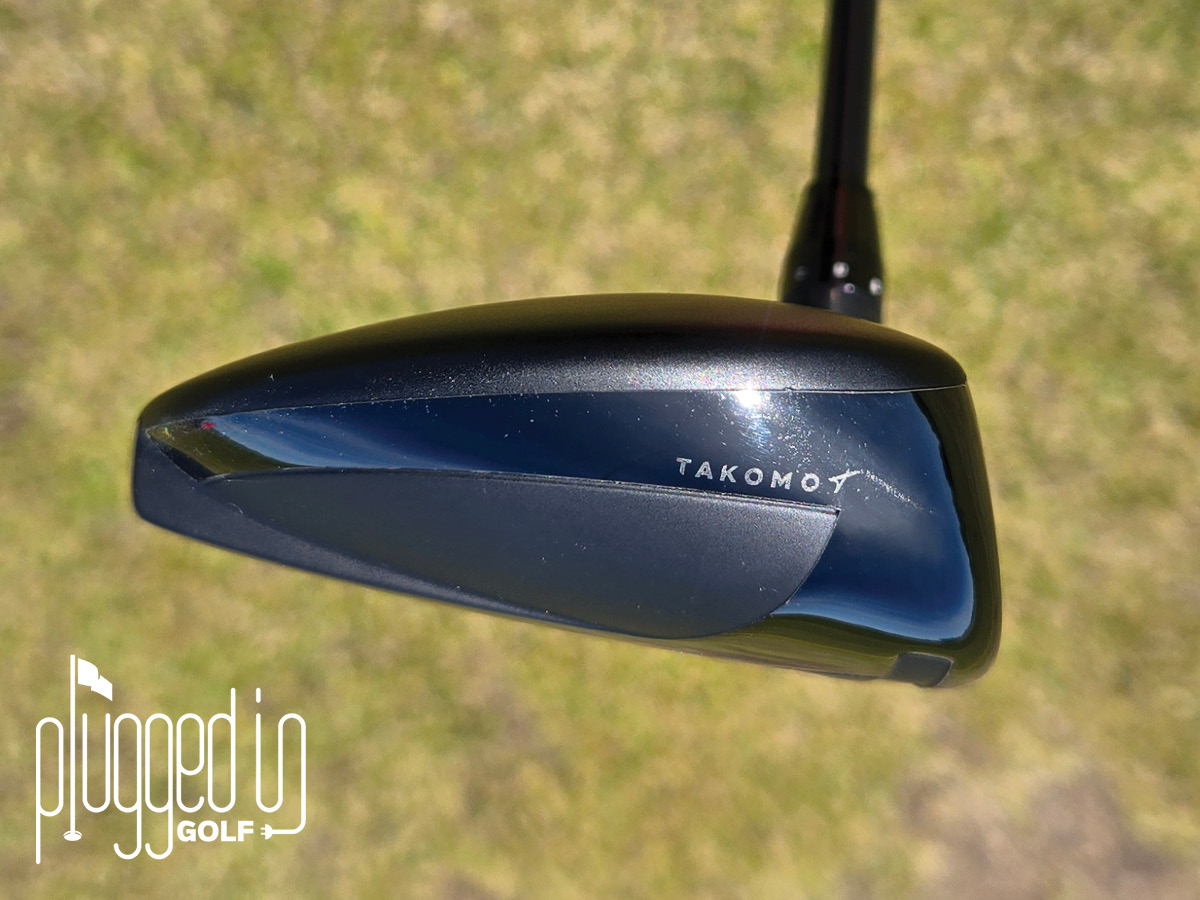
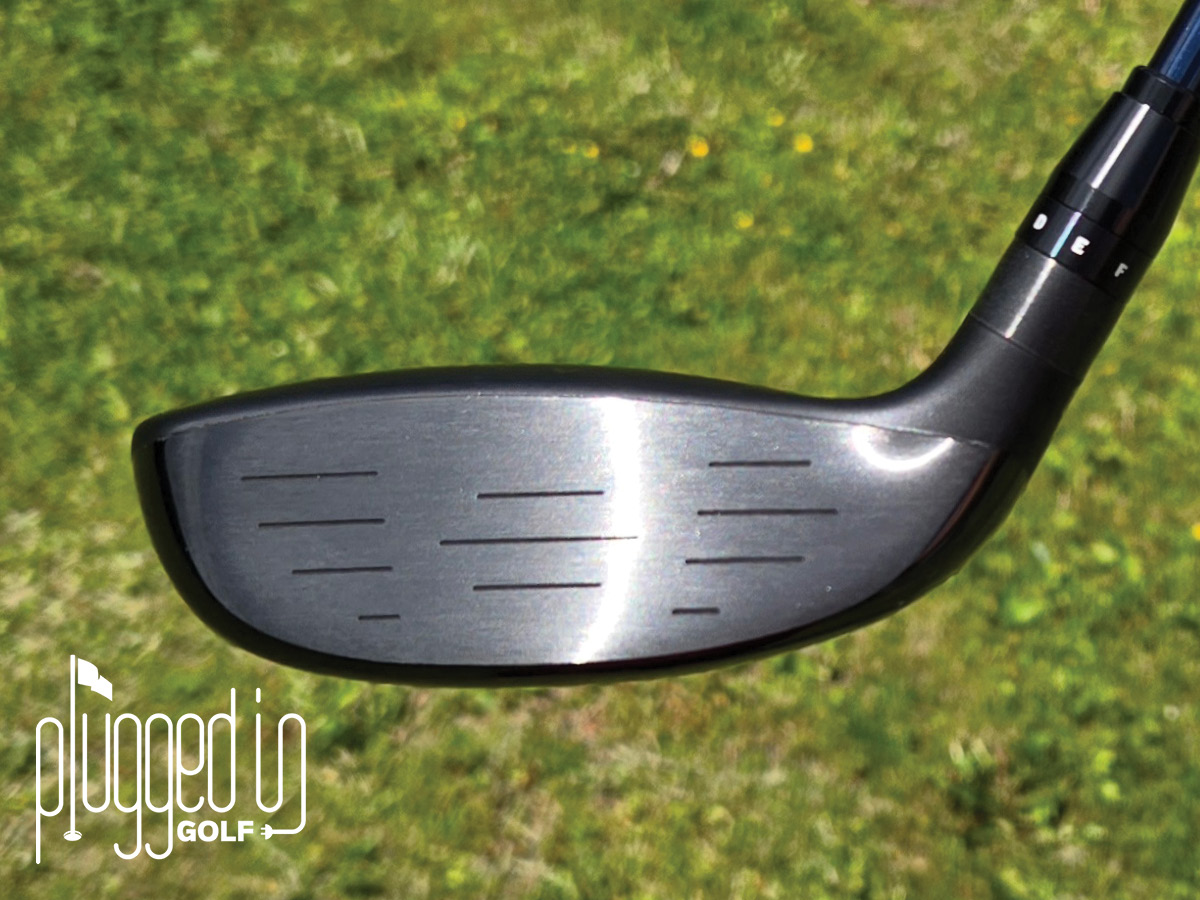
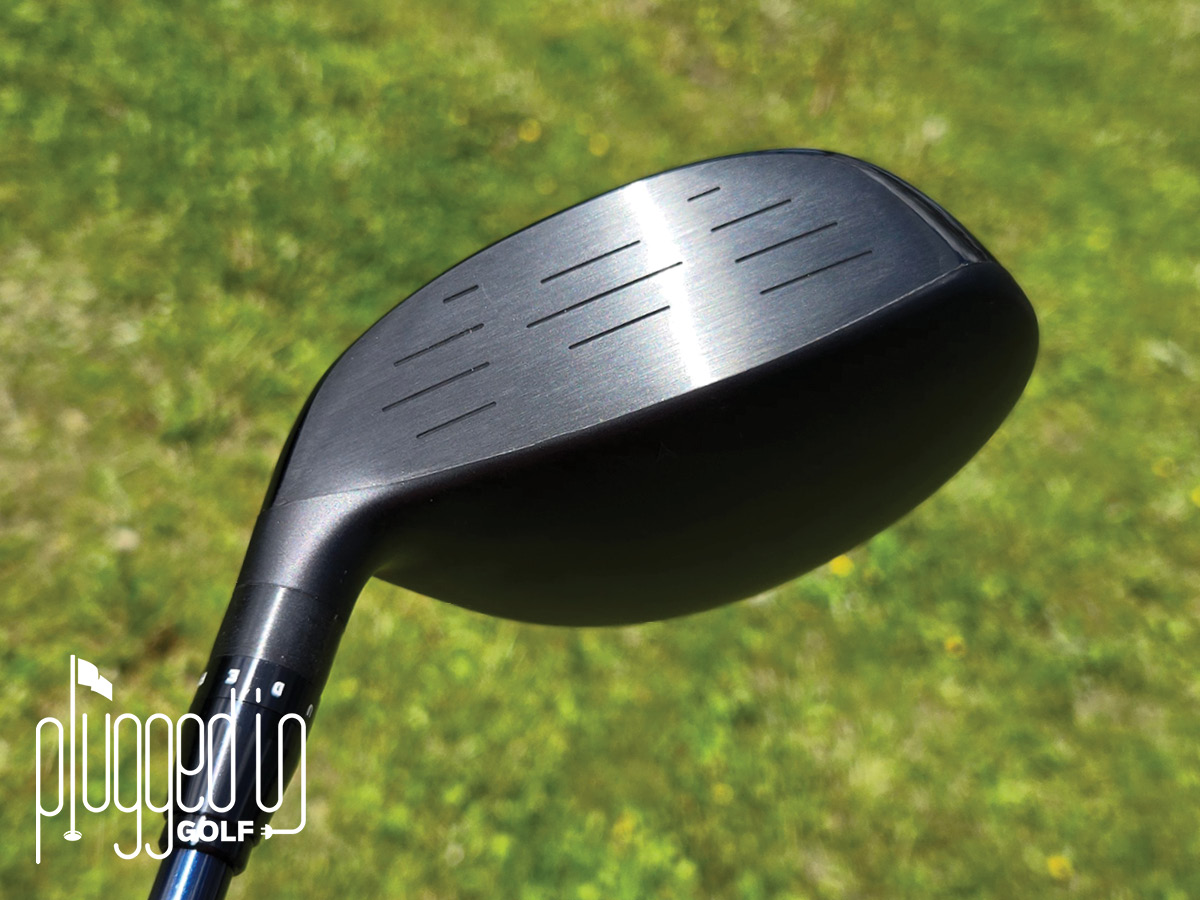
The one thing that I found unique about the appearance was the club face. It’s quite asymmetrical – a tapered, low heel and high, squared toe usually found more in a hybrid. This is not traditional, but the upside is that the face is very large. This creates ample real estate on which to hit the ball.
Flip it over and the sole of the Takomo Ignis D2 fairway wood reveals more great shaping, lines, and visual movement. The two round interchangeable weight ports are visually balanced and don’t distract from the elegant styling. [See Price / Buy]
Sound and Feel
When I had the Takomo Ignis D2 fairway wood in-hand, the feel was beefy, solid, and robust. Considering how sturdy it felt in hand, I was shocked the first time I hit a ball with it. There’s actually a bit of a hollow ting sensation at impact that defies the hefty solid feel I had when holding it. There isn’t much feedback transmitted to the hands, as most shots felt exactly the same. It made knowing where I hit the ball difficult with only extreme off-center strikes giving away their position.
The accompanying sound was… unique. I won’t say it is a Nike Sasquatch level of noise, but it definitely sounds odd. Catching the middle of the Takomo Ignis D2 fairway wood makes a loud, hollow, tinny clank with a slight crack. However, anything more than ¼” off center and the crack goes away. What is left sounds more like a little league baseball bat than a golf club. The sound alone probably wouldn’t keep me from buying a Takomo wood, but it definitely won’t go unnoticed.
Performance
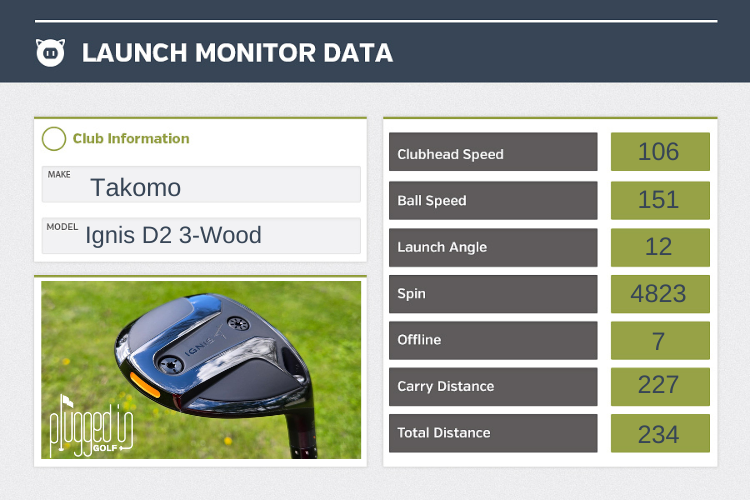
The ball speeds and distance I saw were good but not quite impressive. The Takomo Ignis D2 fairway wood is no slouch, but it lacks the top end of ball speed of many competitors . No matter what I did, there was no “extra” speed to find beyond a normal smooth swing.
My testing numbers suggest the culprit is a combination of efficiency off the face and the extremely high spin rates that the Takomo produced with my 105-ish MPH swing speed. Rarely could I get any higher than 1.40 smash factor, and the spin was usually between 4500-5000 RPM. This combination made for stable ball flight but fell short of my usual 3 wood numbers by a noticeable amount.
On course, I dropped a second ball whenever I needed a 3 wood to compare the Takomo Ignis D2 fairway wood to my Cobra DS-Adapt X gamer. More often than not the shorter, straighter shot from the Takomo put me in a better spot and may have saved me a stroke or two over the round. It may not seem exciting, but dead straight means more than a couple extra yards that you can’t control.
The overall forgiveness I saw with the Takomo Ignis D2 fairway wood has been quite outstanding. I purposely (and accidentally) hit balls all over the face and rarely saw much more than a 10% drop off in carry or total distance. Possibly my favorite thing about this club is the fact that it usually just “goes the number”. It may lack the occasional big bomb of other 3 woods but is more reliable by design.
Also impressive was the dispersion I saw with this club. Anything resembling a good strike went laser straight without much shape to it. Combined with the very good level of forgiveness on off-center hits, most of my range balls ended up pretty close to each other. The Takomo Ignis D2 fairway wood is terrific at making you feel like a robot set on repeat. Over and over, the ball just goes where you point it and at almost the exact same distance swing after swing.
More so than most clubs I’ve ever used, I feel the engineers at Takomo have paired the face curvature, C.G., and M.O.I. perfectly. The Ignis D2 fairway wood makes the ball go where you want most of the time. When you do happen to catch one way off center, the gear effect is heavy and tries hard to fix your bad strike. For example, a deep toe shot will start the ball to the right but hook back towards your target. The downside to this baked-in straightness is that it makes the Takomo Ignis D2 fairway wood a bit harder to shape. For the intended audience, I don’t think this is a problem.
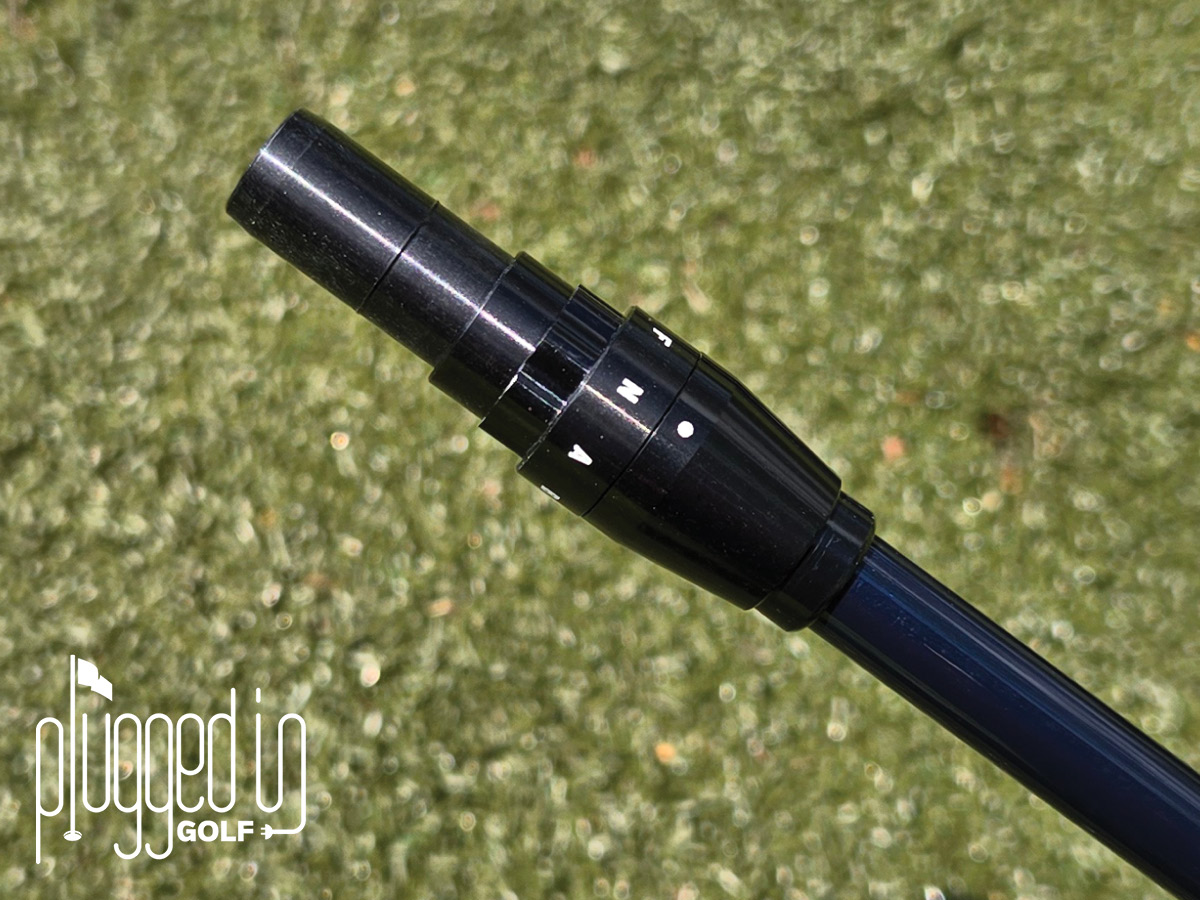
Finally, I was pleasantly surprised with the adjustable adapter of the Takomo Ignis D2 fairway wood. Most notably, Takomo built in the ability to add/subtract loft without always changing lie angle which is rare in a single-adjustment style sleeve. This is evidence that they put plenty of thought into their engineering. [See Price / Buy]
Conclusion
I would love to be able to compare this in an apples-to-apples way with the likes of Cobra, Ping, Taylormade, Titleist, Callaway. I want Takomo as a brand to not need that “Yes, but it’s cheaper” angle to balance the scales. The truth is, I don’t think the Takomo Ignis D2 fairway wood is a standout product when all things are equal. There does seem to be something missing in performance that you can get with the extra $100-200 bucks shopping the established brands.
That said, Takomo seems to position this for the average golfer who doesn’t need cutting edge performance. They want to play with a forgiving club that doesn’t cost as much as others. The Ignis D2 fairway wood is easy to hit, returning extremely consistent numbers swing after swing. It also looks more like a premium club than the price suggests. For many that’s probably plenty to warrant a purchase. [See Price / Buy]

- Sun Mountain H2NO C-130 Cart Bag Review - October 15, 2026
- 2026 Bank of Utah Championship Recap - October 4, 2026
- Cobra King Max Irons Review - October 1, 2026





Join the Conversation | 4 Comments
Hi Nate,
Welcome to Plugged In (I think you are new)! Glad to see you highlighting some DTC brands. This seems like a great “boring” 3 wood for someone like myself.
Any word on the new drivers? I know they had some quality issues with the first generation one, even though it was a good performer. I’m hopeful that they can straighten out those issues.
Also, am I the only one who weirdly loves that splash of orange?
Hello and thank you for reading! I am new here and happy to be part of the team. I agree, the DTC space is very interesting these days and am happy to be trying some of the more unique offerings in the market alongside the tried and true brands.
I think This takomo is quite good – i think my slightly faster than intended swing speed and particular delivery isn’t exactly what the design was made for, hence it isn’t perfect for me but I am still shocked how consistent and easy it is to use. Since writing this, I have seen Takomo themselves respond to some distance claims like mine and indeed, at a 90-ish mph swing the spin drops to a really great place and the ball goes nearly as far as 105mph does as a result.
And I do like the orange. I almost wanted a hint of it on the sole too to tie it together, but as-is I think it’s cool and overall the club looks gorgeous.
Thanks for reading!
-Nate
Hey Nate, looks like you were testing with the ventus blue shaft. What flex? I am at the same swing speed and considering buying this club but I’m still sick between the stiff and extra stiff. I’d be curious to know what you tested and if you changed loft or weight setups. Thanks!
Hello Paul!
I ordered this with a Ventus Blue 7s (70g Stiff). I usually game X-Stiff shafts. My swing speed tends to ride right on the cusp of Stiff and X-Stiff making choosing blindly difficult. I chose the Stiff for the review just in case I wasn’t feeling good enough to really “go after it” – i’ve had this same shaft in FW woods before and get along with it nicely when I swing nice and smooth, so I think it seemed a safer bet to give this club the best showing.
I played around with the settings a bit, and the launch/flight shifted accordingly but I did most of my testing in the stock setting because I took it out of the box and liked the results plenty.
Thanks for the question and thanks for reading!