
Introduction
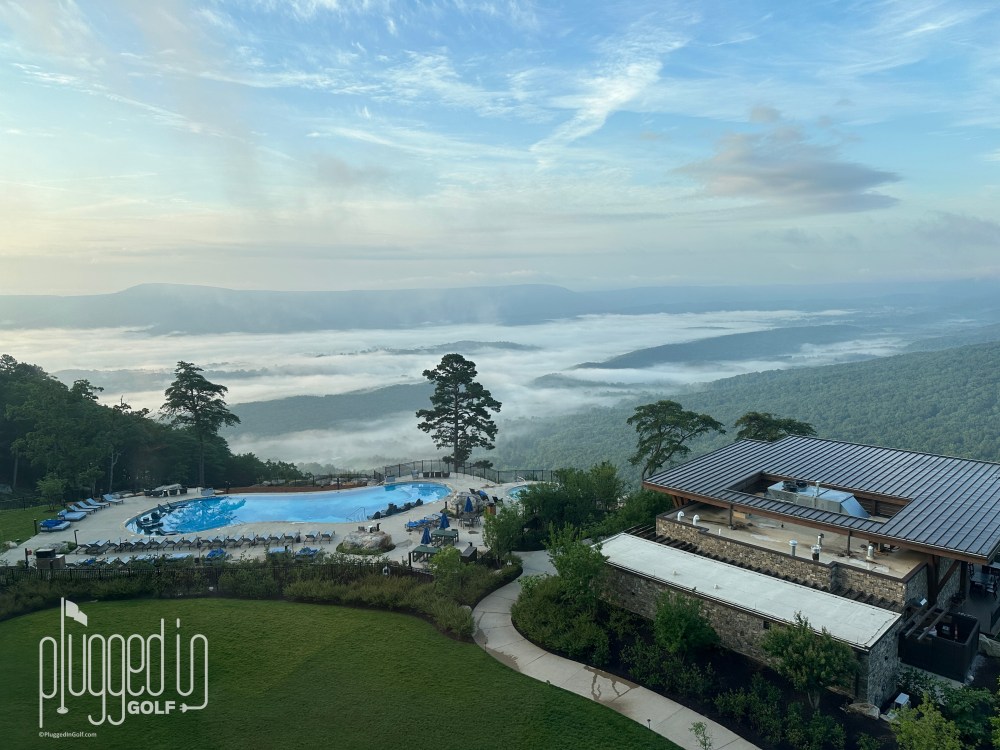
The word “elevated” is used frequently to describe things that are high end, luxury, elite. The Keep golf course at McLemore Resort is elevated golf…literally. Located roughly two hours from Atlanta, this highly touted new course sits on the edge of Lookout Mountain, 2,300 feet above sea level, offering golfers dramatic views throughout their round. The Plugged In Golf team visited recently to find out if this needs to be your next golf destination.
Practice Facilities
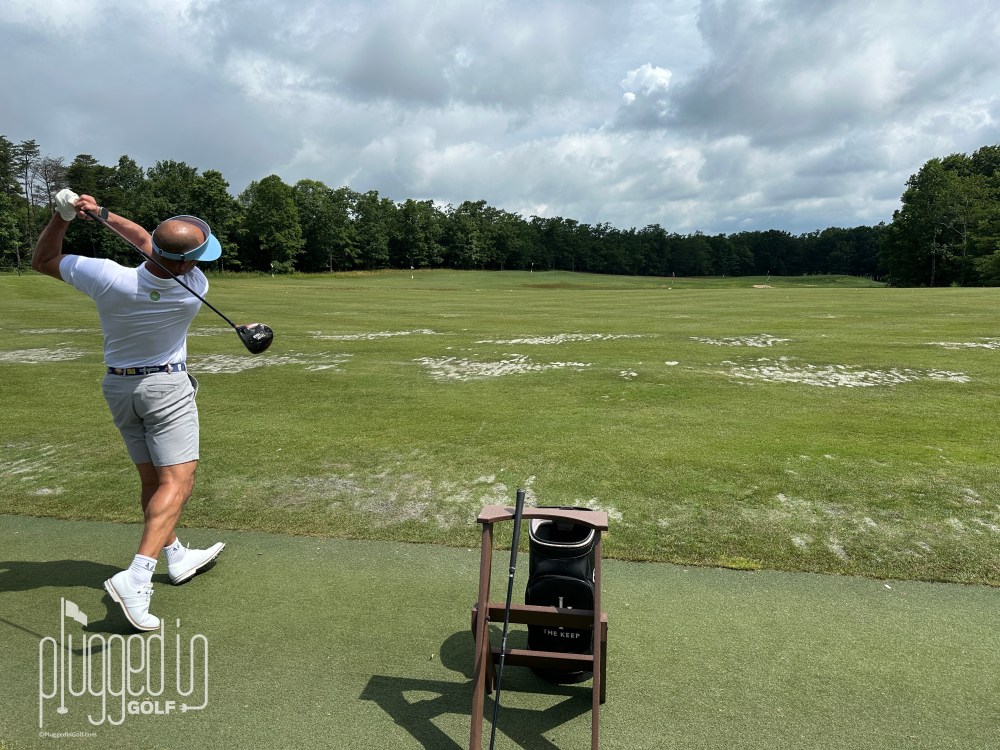
McLemore’s practice facilities all reside around the clubhouse for The Highlands, a short shuttle ride from The Keep golf course. There you’ll find a driving range that can accommodate about a dozen players and a short game area with a large putting green.
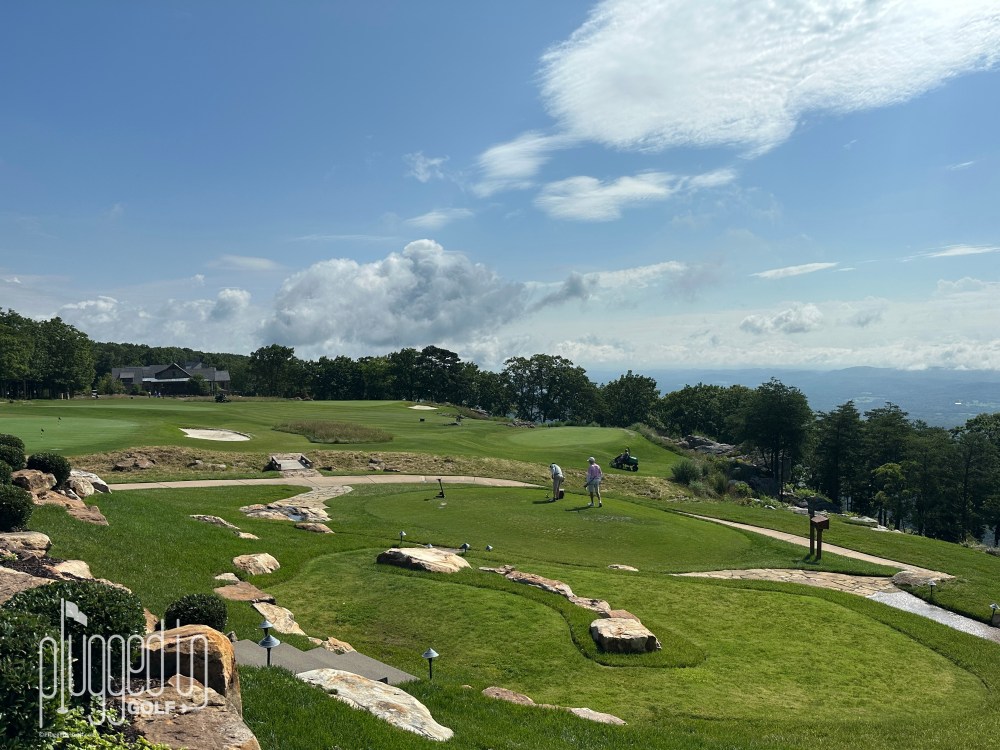
The highlight of the practice area is The Cairn, McLemore’s short course. This is a collection of six holes, most around 60 yards with the longest one listed at 83 yards. The greens are appropriately small, demanding precise wedge shots. There is no cost to play The Cairn, and there is no tee sheet: just show up with a wedge, a putter, and a ball. Whether you’re using The Cairn to warm up, improve your short game, or round out the day with a drink in hand, it’s one of the highlights of McLemore.
Customer Service & Amenities
Everyone on our team agreed that the customer service at McLemore was uniformly outstanding. From the valets who greeted us when we first arrived to the servers in the restaurants to the golf staff, everyone was energetic, warm, and helpful. The staff at McLemore is unquestionably one of the resort’s biggest strengths.
The caddies at The Keep golf course deserve special mention. In our time at McLemore, we got to play with four different caddies, each of whom enhanced the round in their own way. Caddies are required at The Keep before 1PM Sunday through Thursday, all day on Friday and Saturday. Especially on your first loop, a caddie is an absolute essential for navigating the course.
I’ll also note here that The Keep golf course is walking only before 10AM. Our group – including two players who normally ride – agreed unanimously that the course is more enjoyable on foot. While there is a good deal of elevation – McLemore claims 500 feet of elevation change – The Keep is a tight course with a walking distance under five miles.
A nice “extra” that The Keep golf course offers is free snacks and beverages. There are coolers with water bottles every few holes, and a snack cart circles the course with jerky, granola bars, and other drinks. The turn shack – currently a double-wide trailer, like the pro shop – has sandwiches and a larger array of snacks, all included in your green fee. The only thing that costs extra is alcohol. [Learn More / Plan Trip]
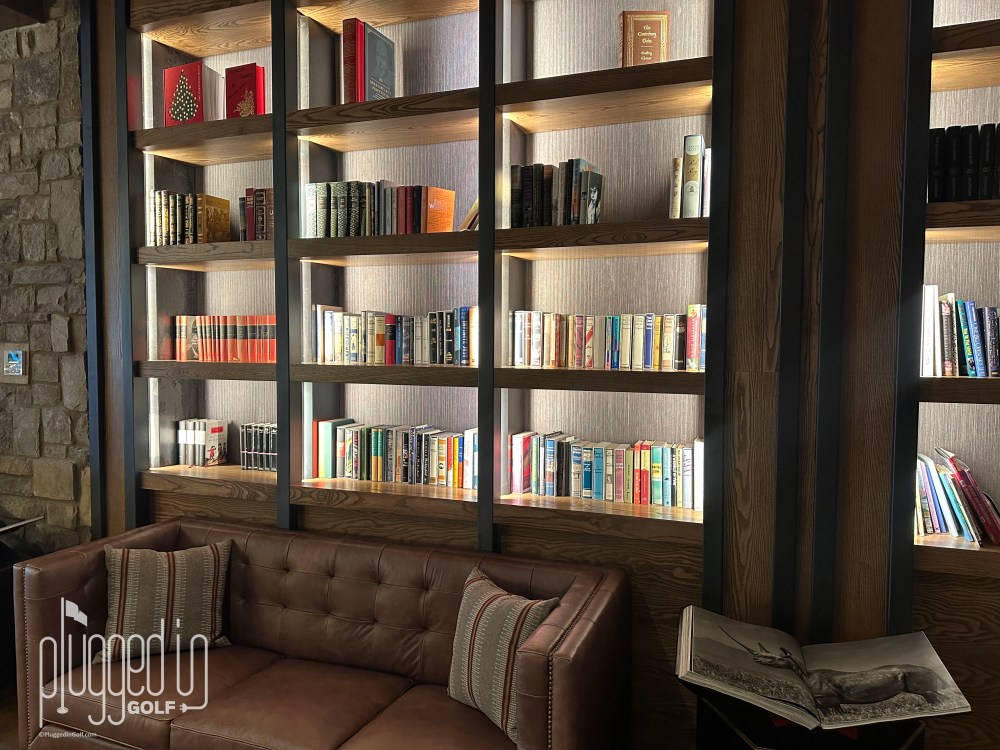
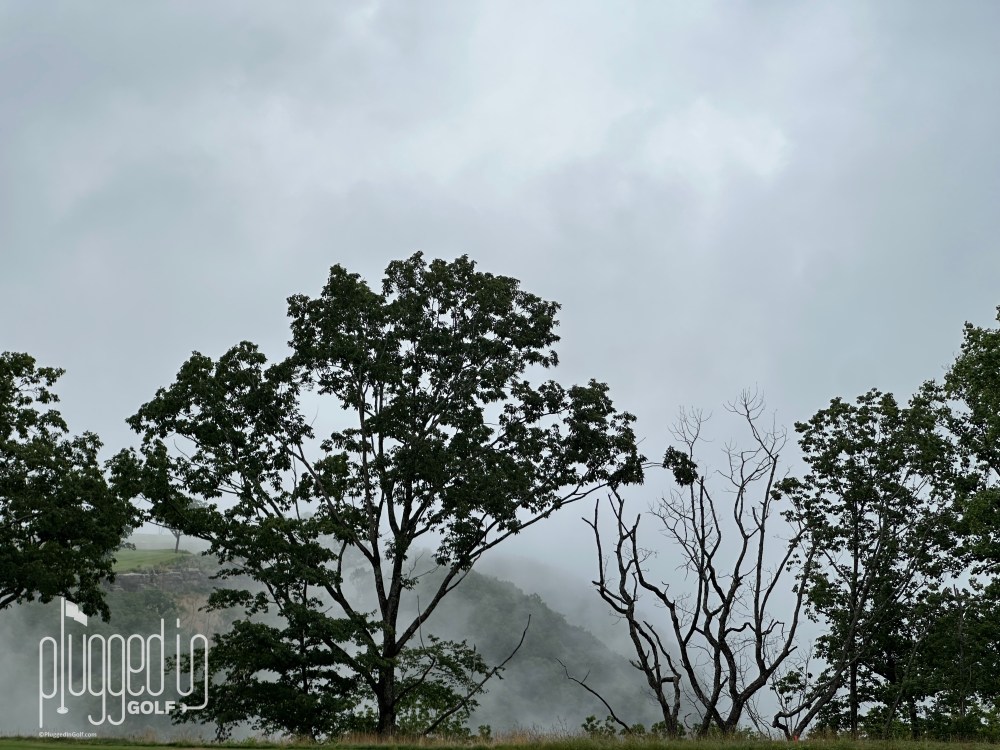
Turning to McLemore as a whole, it’s a full-service, high end resort. You can headquarter at Cloudland, the hotel, or rent homes of all sizes. We stayed in the hotel, which put us close to all the amenities: pool, hot tub, gym, and spa. My favorite part of Cloudland is the beautiful library – perfect for waiting out rain or fog delays.
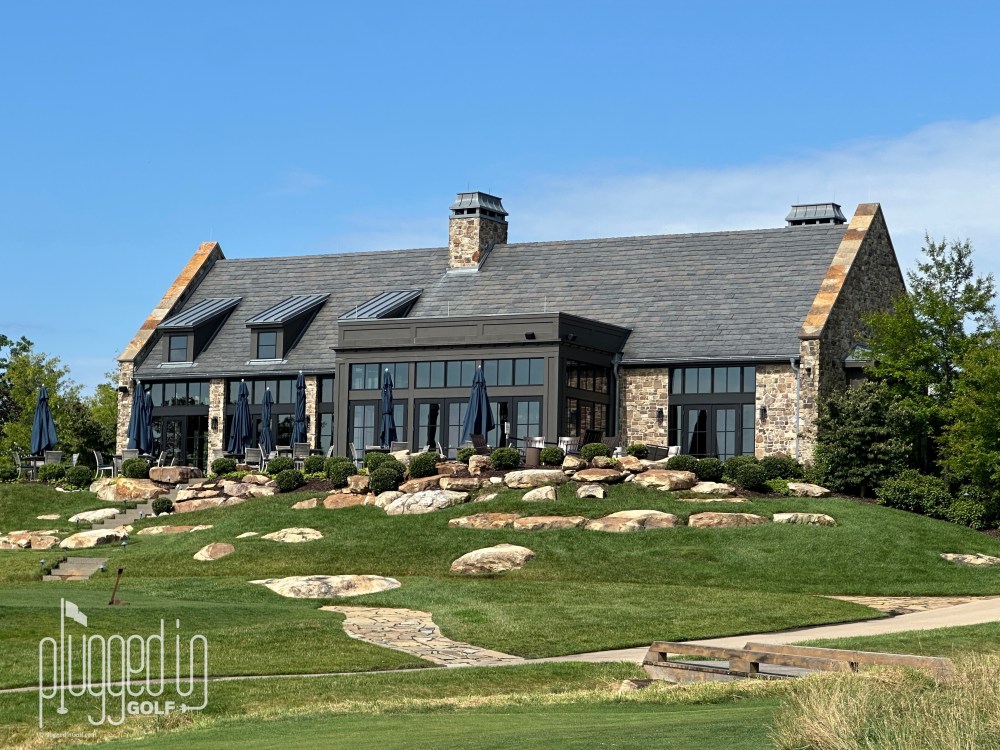
Finally, the food at McLemore is excellent. There are four restaurants inside Cloudland: Croft, Pocket Cafe, Skyside, and Auld Alliance. Pocket Cafe has everything you need to get your day started, and they host a nightly happy hour. We had two dinners at Croft which offers a menu that’s curated but still has something for everyone. The Creag serves “elevated comfort food” inside the clubhouse at The Highlands (above). If you stop here, you need to have the burnt ends appetizer. [Learn More / Plan Trip]
Beauty & Scenery
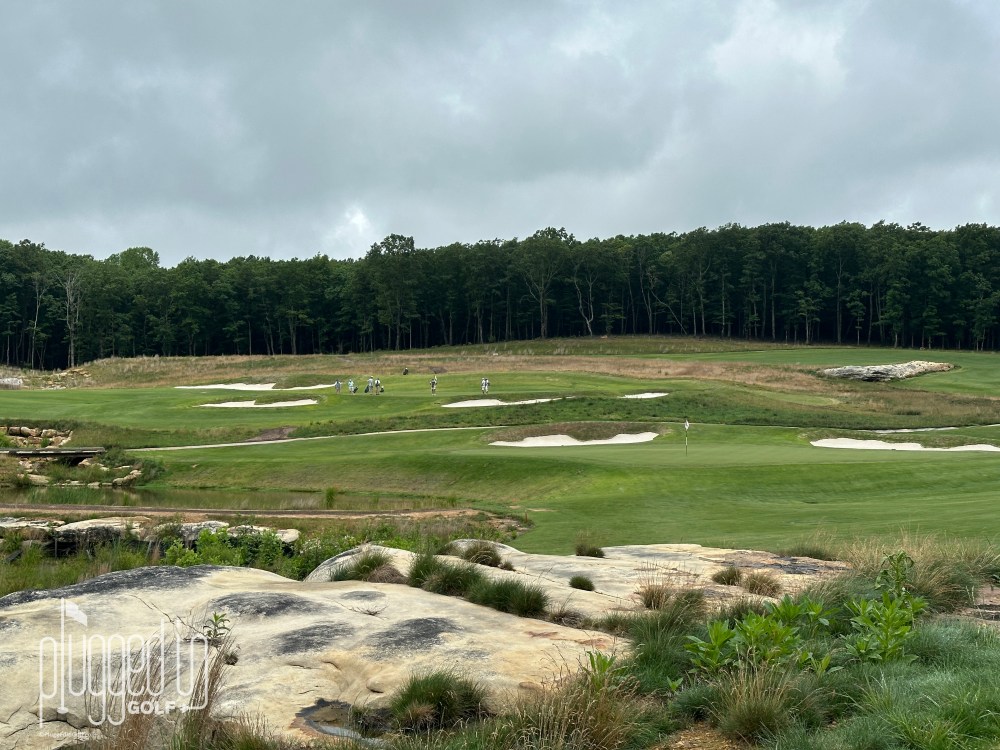
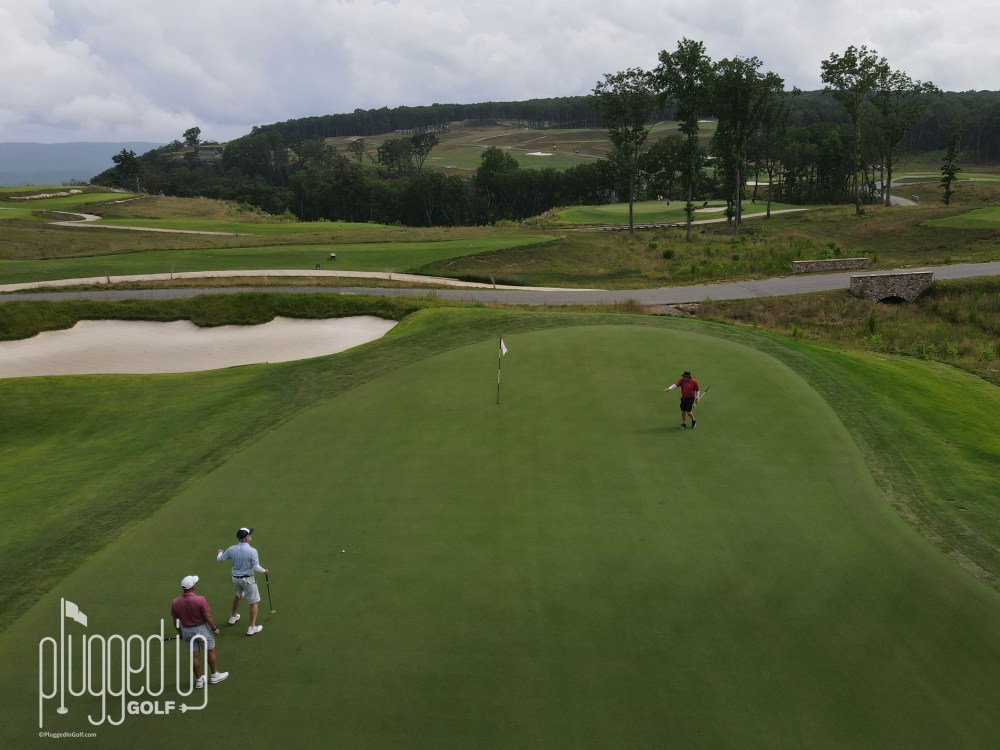
Vast, dramatic, and open, The Keep is a stunning golf course. From the moment you arrive, you’ll see the entire course sprawling around you in every direction. That openness is one of the visual signatures of The Keep. From at least five locations, you can see portions of all 18 holes, and only one spot on the course feels at all isolated.
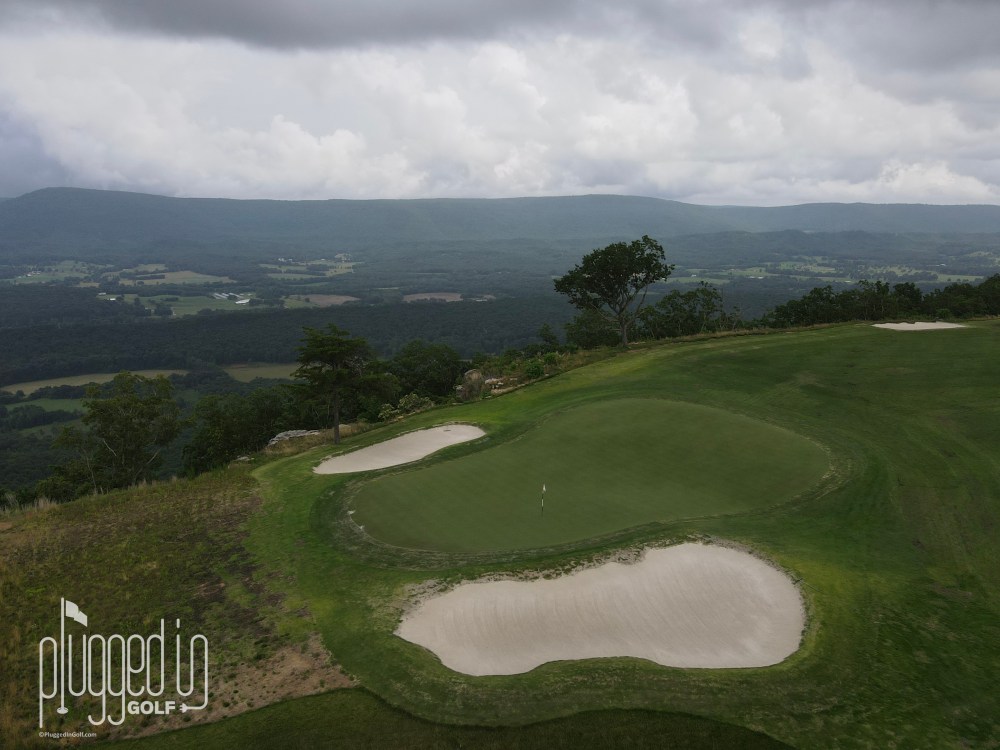
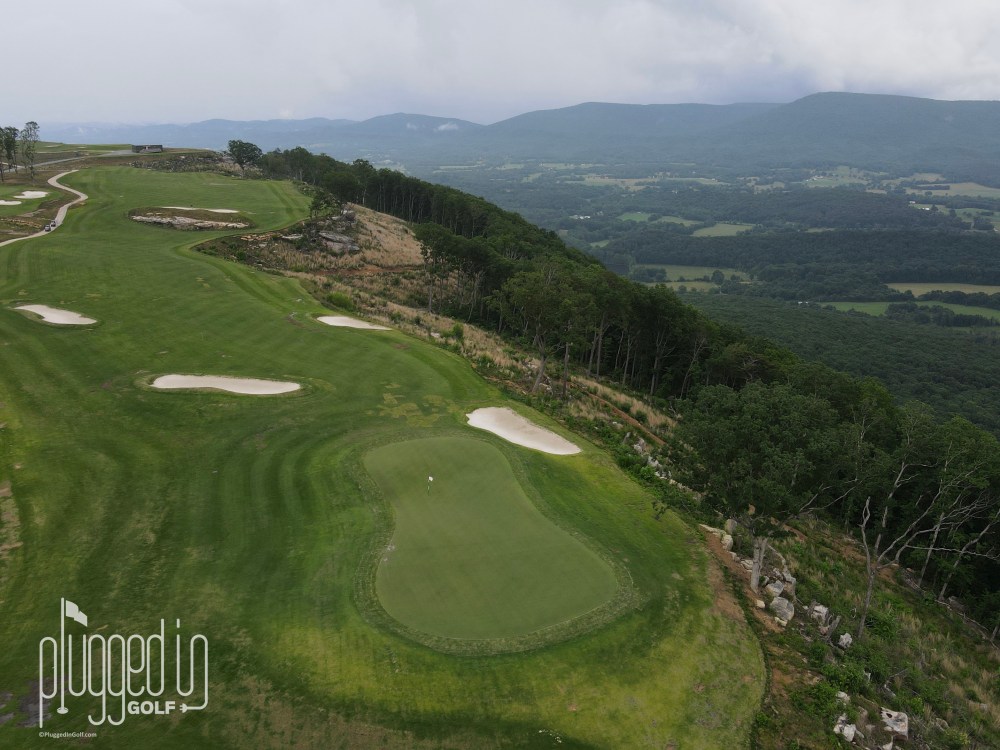
The other aesthetic hallmark of The Keep golf course is the cliff. Five holes – 1, 9, 10, 11, and 18 – play along 1.5 miles of cliff edge, giving golfers miles-long views from Lookout Mountain. From almost anywhere on the course, you can look down on the valley floor 1,500 feet below.
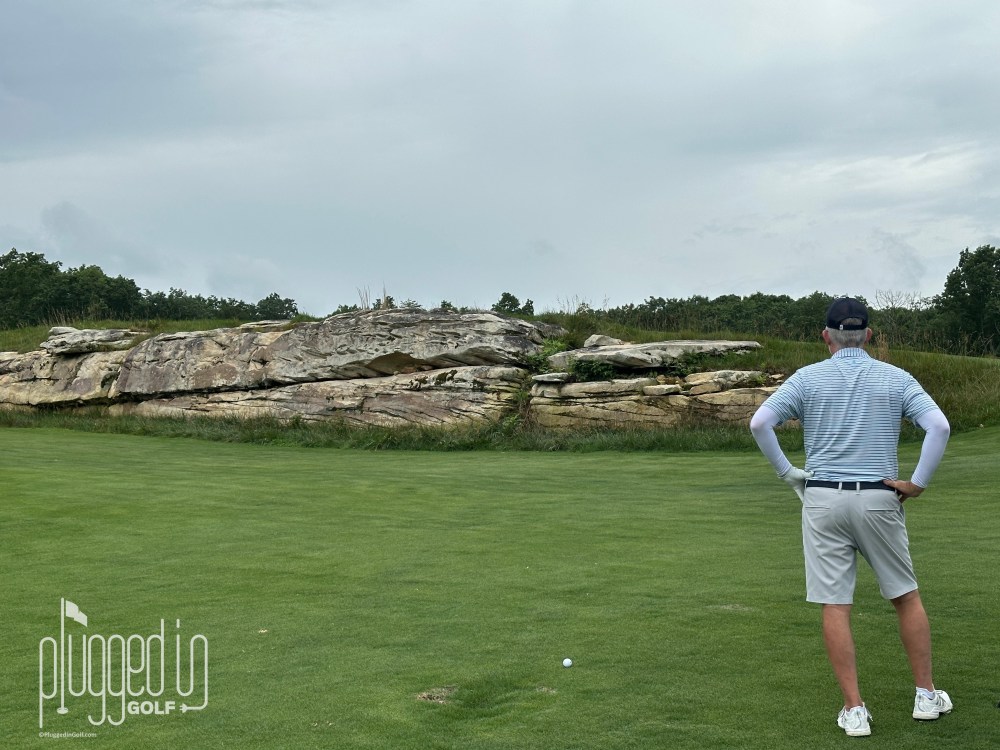
On the course, there are numerous rock features that enhance the look and strategic interest. On 15, a rock face sits in the middle of the fairway, forcing golfers to the right or left. Rocks define both sides of 17 and create one of the more picturesque green sites at The Keep.
Finally, the course conditions do need to mentioned. Being built on a mountain presents unique challenges, and there are numerous spots where the maintenance team is still working to build up the turf and help the course drain. None of these issues affected playability – in fact, the greens were immaculate – but they did detract from the aesthetics.
McLemore is actively working to get the course into pristine condition. During our visit, we saw large teams working to replace portions of the fairways on 1 and 18. While course conditions are quite low on my list of priorities, they’re important to others and mentioning the ongoing work seems relevant given the high cost of golf at The Keep. [Learn More / Plan Trip]
Tee Shots
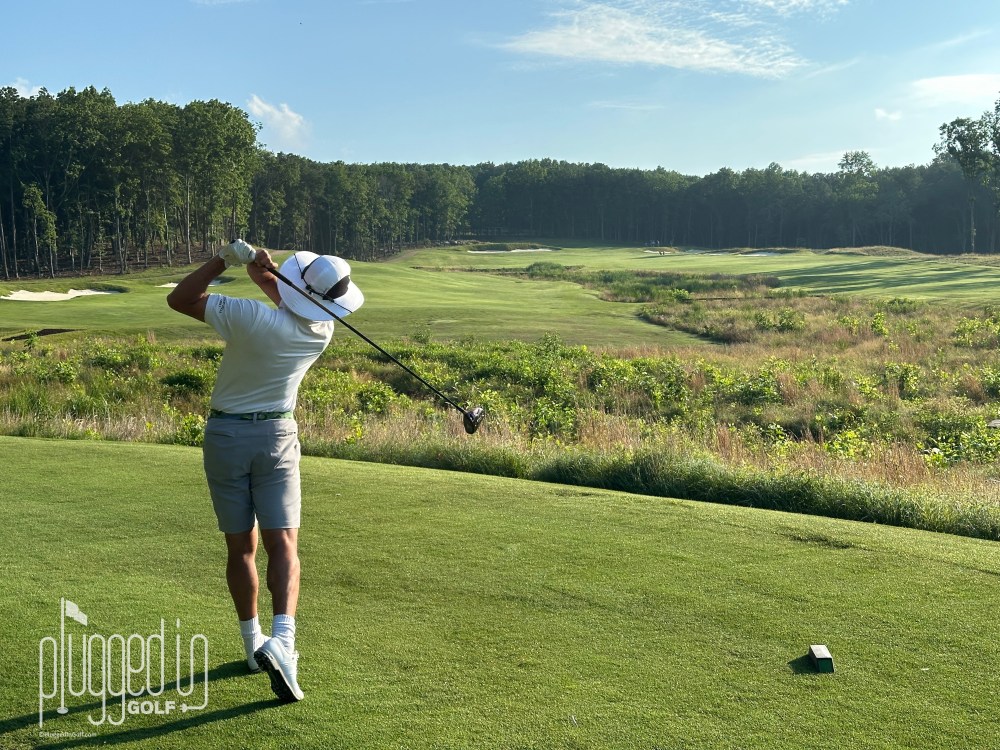
The Keep golf course is at its most generous and forgiving off the tee. I rated 11 of the 14 fairways as wider than average. The only fairways that could be viewed as narrow are the two halves of the split fairway 2nd hole. Even more important, there’s a lot of room to miss on most holes. Only 10 of the 28 fairway sides present serious trouble; another 10 invite you to hit it crooked in that direction as far as you want.
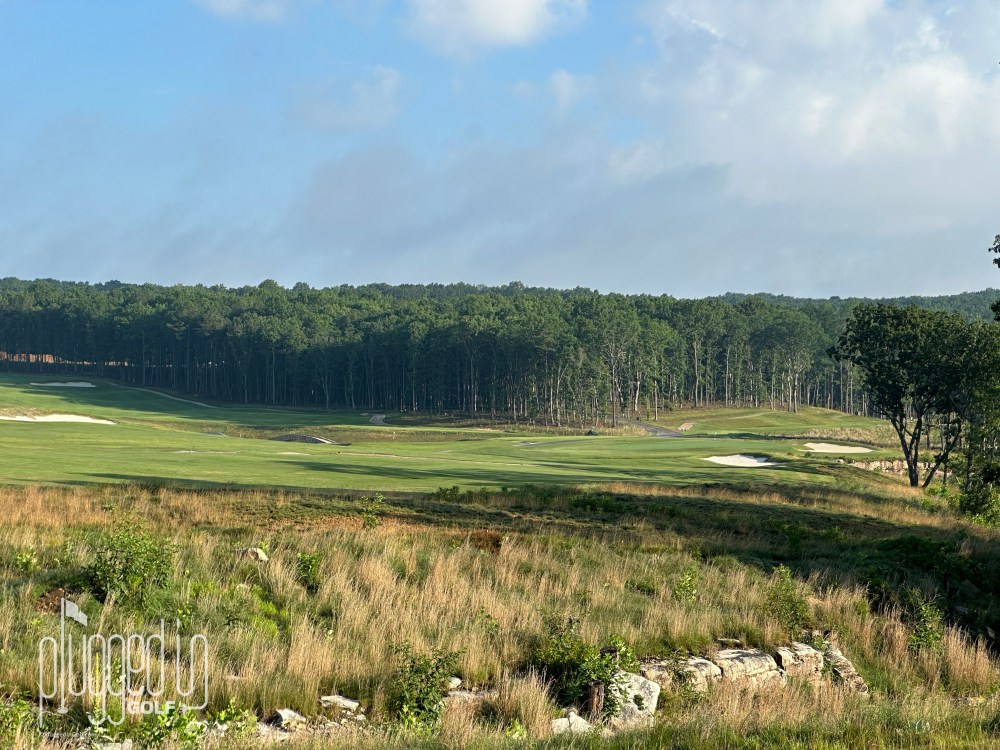
It is worth noting that we played the course roughly a year and a half after it opened. There are numerous spots on The Keep golf course where the fescue is just starting to grow in. When it’s as thick and tall as the fescue at The Highlands [review HERE], the driving will be much more challenging. Spots that currently allow for a moderately challenging recovery shot will become lost balls.
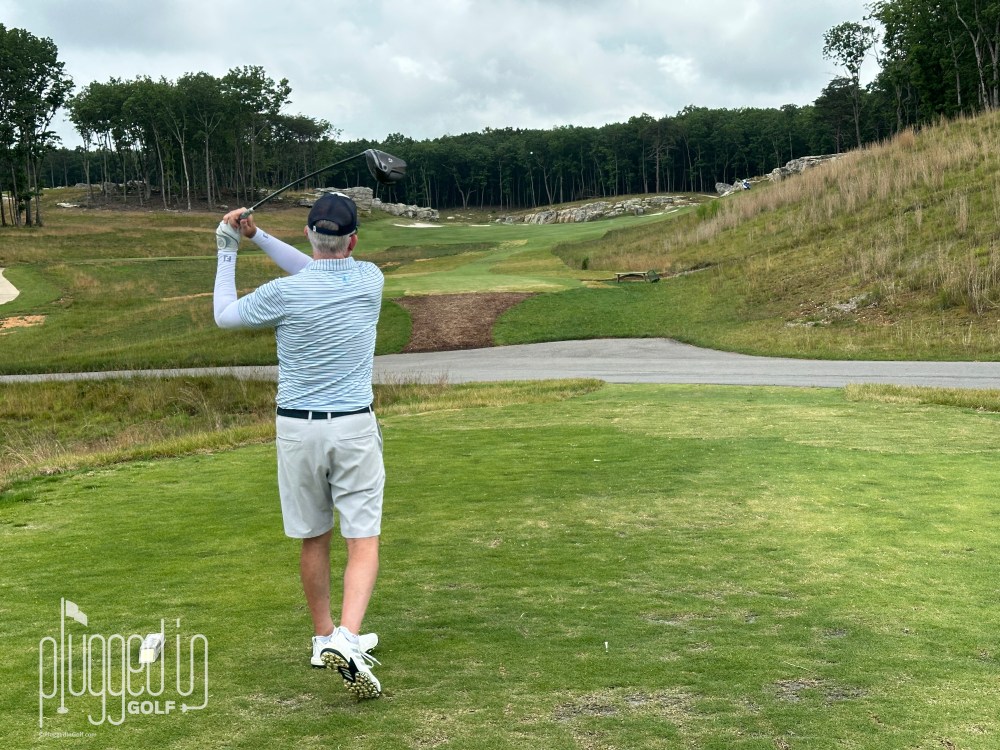
There are four sets of tees at The Keep and three sets of combo tees. This creates playing distances that range from 4,896 yards all the way up to 7,036 yards with fairly even 300 to 400 yards gaps between. Golfers of all ability levels can find an enjoyable way to play the course. Extra kudos to McLemore for making the combo tees easy to understand: the top 9 handicap holes are played shorter, the lower 9 handicap holes are played longer.
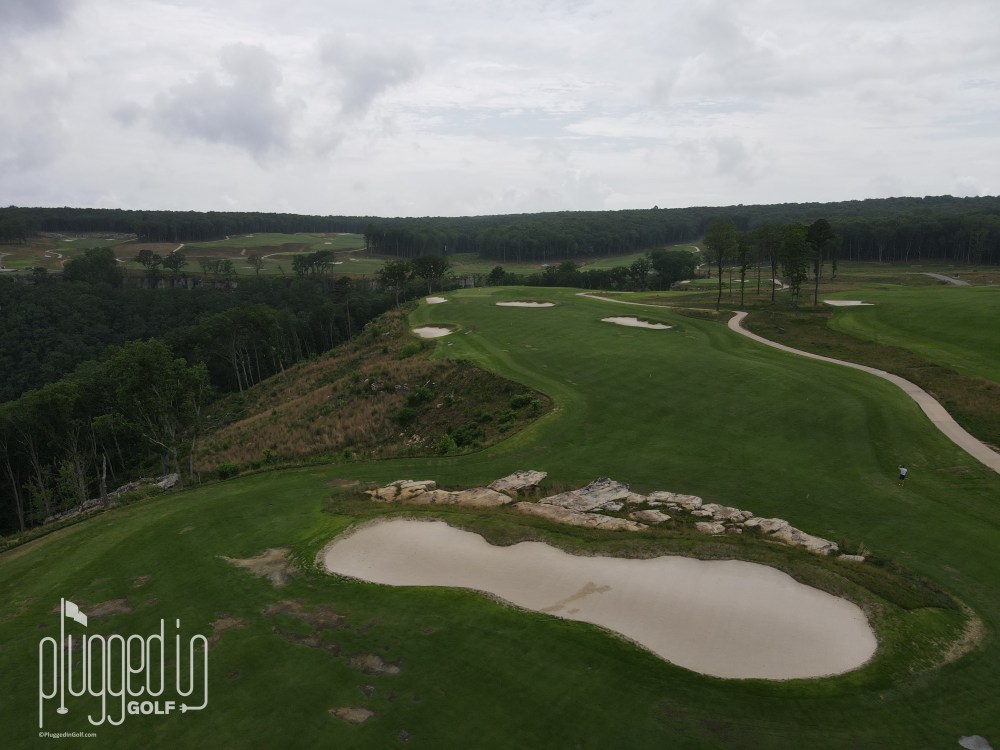
Our group – which had driver carries ranging from 200 to 275 yards – played a variety of tees within the 5,700 to 6,400 range. Given the amount of elevation this course throws at you, this was a sweet spot where each hole was challenging but still fun and score-able. The drives on #12 and #15 are almost straight uphill, and there are numerous shots that are less dramatic but still add distance. Even though playing atop Lookout Mountain does enhance your distance a bit, be conservative with your tee box selection if you want to have a good time. [Learn More / Plan Trip]
Approach Shots
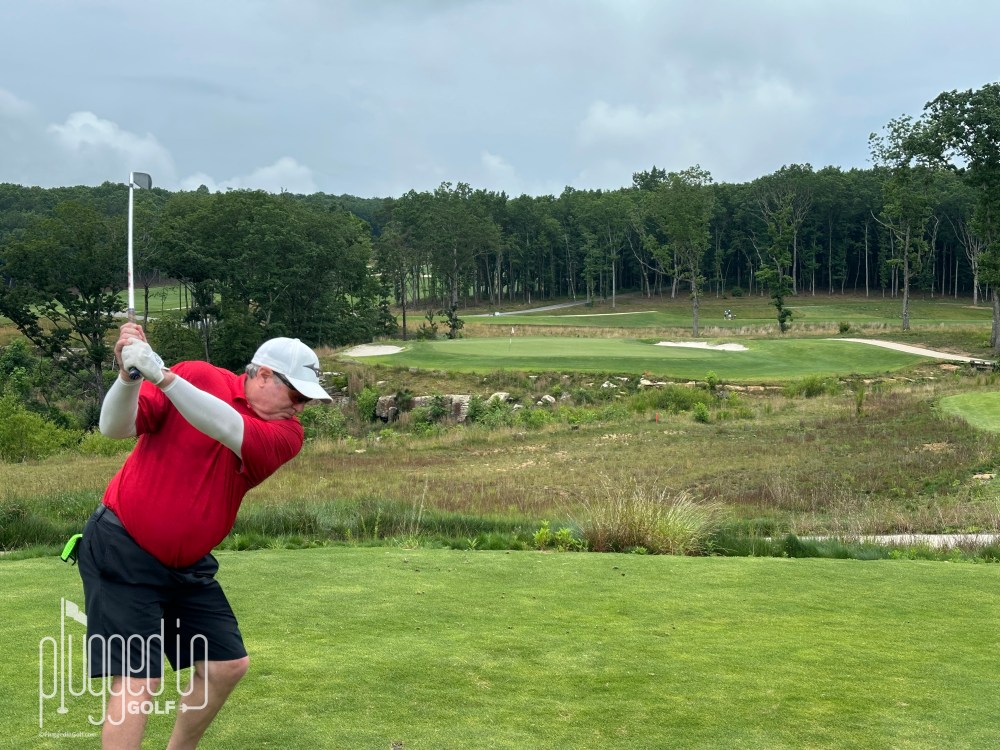
The Zoysia fairways at The Keep golf course provide a lush, almost teed-up surface from which to hit approach shots. Pickers and diggers alike will feel comfortable after a quality tee shot. The 30 acres of first-cut aren’t foreboding, but they do carry an element of risk. This longer, thicker Zoysia can prop the ball up or let it burrow down. There’s not so much grass that you’ll need a scythe to find your ball, but you may not have full control of your contact, launch, or spin.
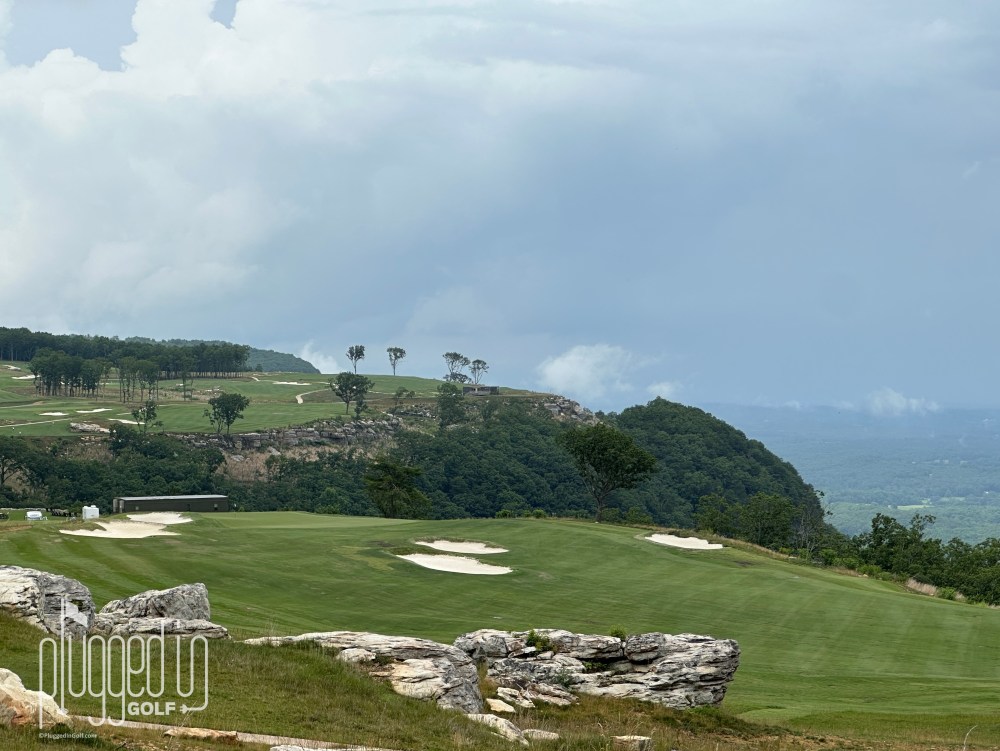
While your ball may sit comfortably on the Zoysia, The Keep golf course does not guarantee the same to your feet. There is impactful movement in the fairways and rough on every par 4 and 5. Getting a flat, level lie is a rare opportunity that you need to take advantage of. Most of your approach shots will require some level of adjustment to a ball above or below your feet.
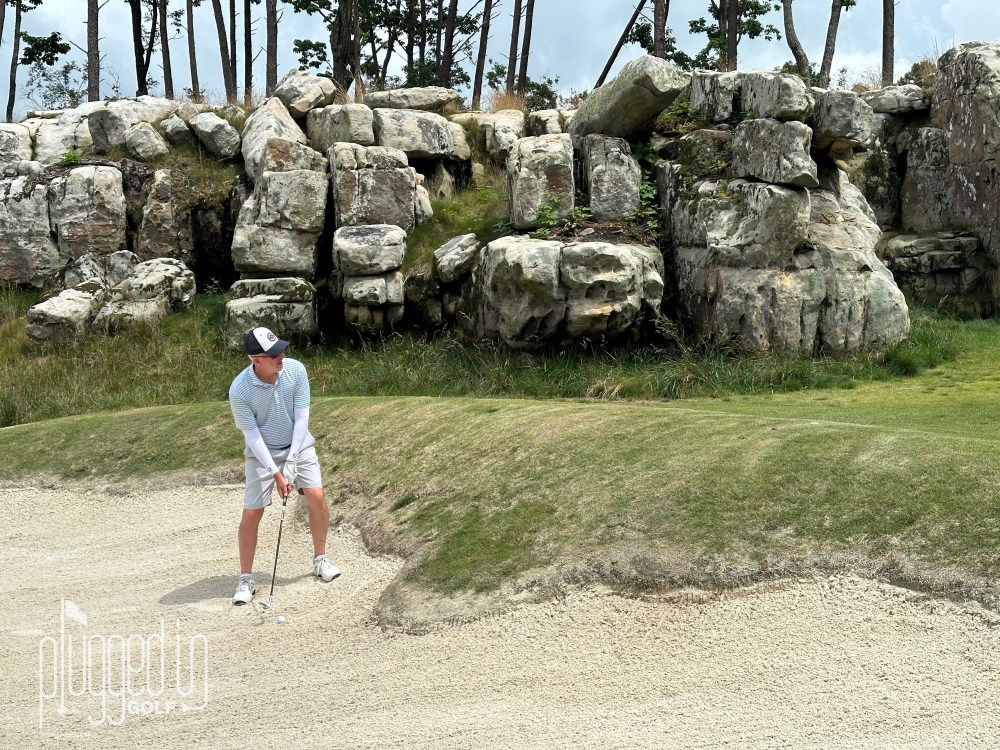
One thing that you won’t find at The Keep is a flat shot. Every drive and approach is up or down hill, often substantially. This has numerous implications for your approach shots. First, you’re going to need to adjust your yardages. Standing on the 150 yard marker does not mean you should hit a 150 yard shot – the elevation changes are often worth a full club or more.
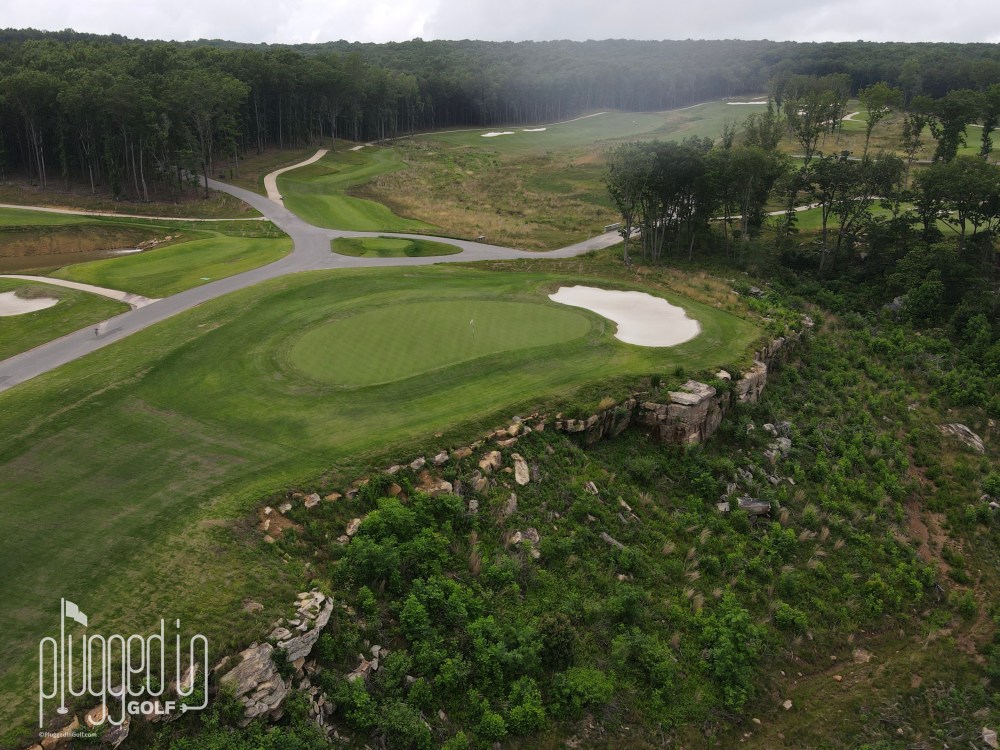
Playing up and down the mountain also discourages the ground game. Most of the greens are at least slightly elevated, so haphazard running shots are unlikely to turn out well. This is a course that requires precise, aerial shots – something that can be made more difficult by the wind on this exposed layout.
Greens & Surrounds
First things first, the greens at The Keep golf course are kept in outstanding condition. The bentgrass surfaces are smooth, consistent, and quick. Your results are a pure reflection of your ability to read the greens and roll the ball, which is all a golfer can ask for. [Learn More / Plan Trip]
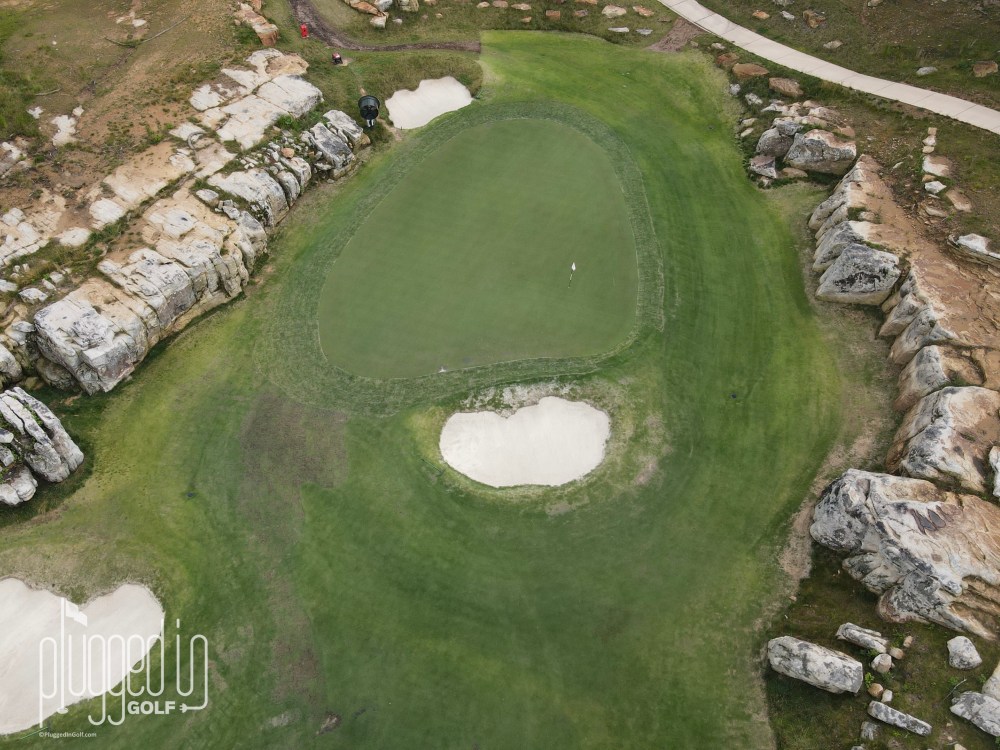
In terms of size and shape, The Keep’s greens are, on average, large. This is in keeping with the modern aesthetic of the course. However, unlike many modern courses, the shaping of these greens is subtle. You won’t find many unusual shapes, and there are no extreme undulations. The greens are far from flat – many are tilted and there is always some movement – but you won’t find big humps, tiers, or depressions.
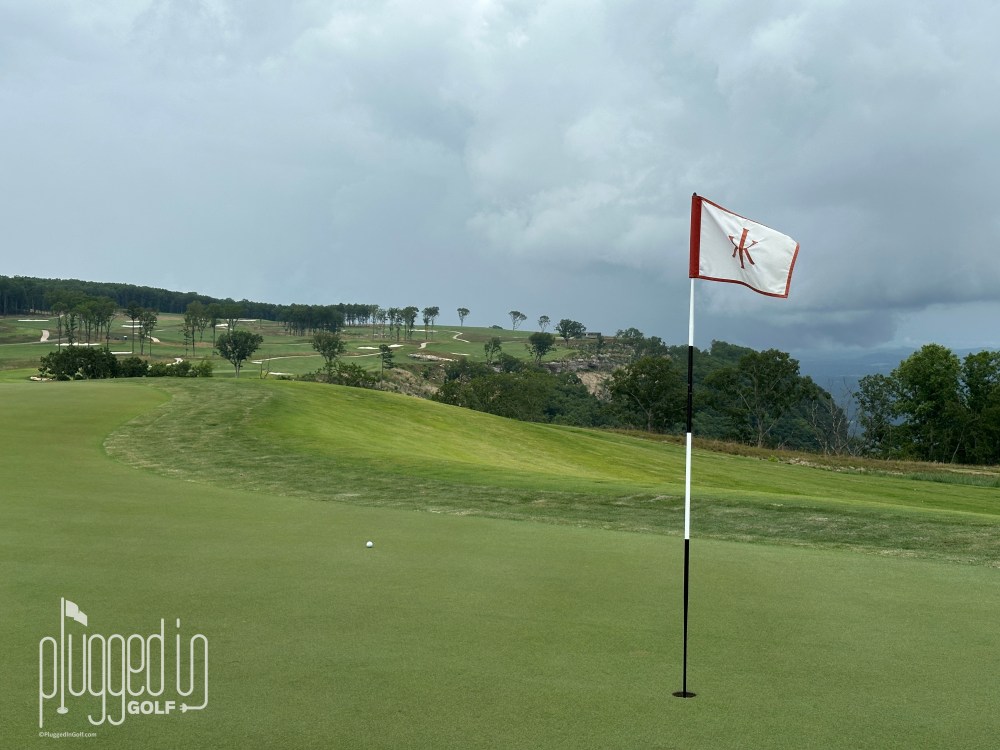
The biggest challenge on the greens is properly judging the speed. Putts toward the mountain are slower than those moving toward the valley. This adds a third variable – alongside distance and slope – to your speed calculations, and it can make even mid-length putts a challenge. Having one of The Keep’s veteran caddies at your side can substantially raise your odds of converting your birdie chances or saving par.
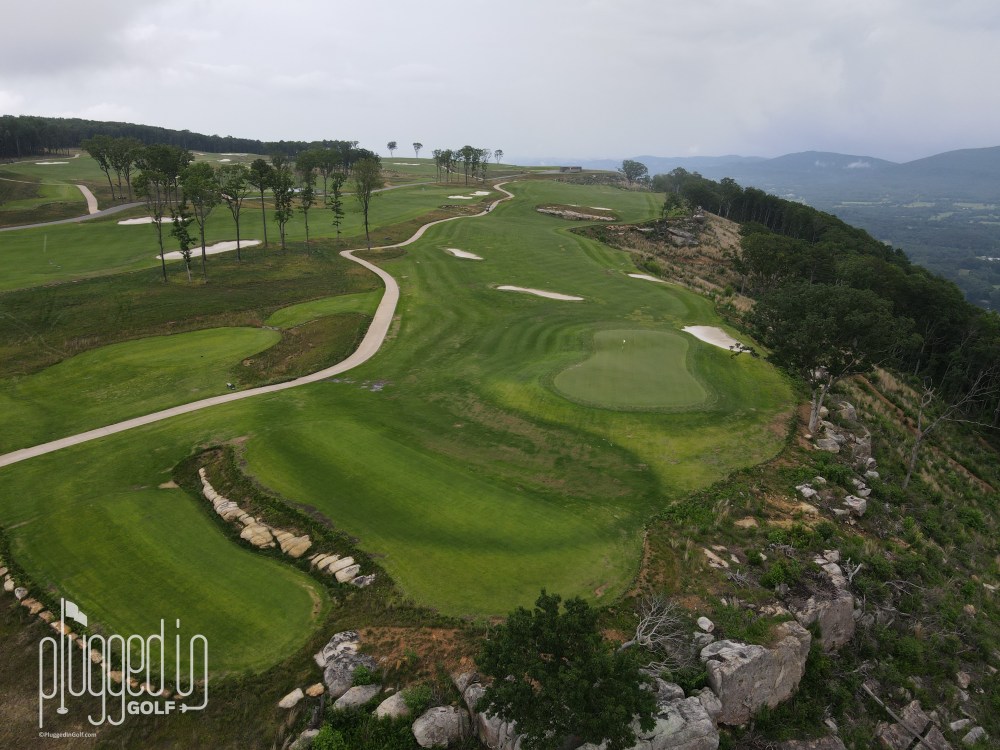
The areas around the greens at The Keep golf course feature a mixture of fairway, first cut, and slightly longer rough alongside modest to moderate undulations. Most of the greens are at least a couple feet above the surround which adds a layer of difficulty to recovery shots. It’s rare that you’ll find yourself in a spot that screams trouble, but the difficulty of the greens demands great precision in the short game. If you prefer running shots to drop-and-stop pitches, you’ll need to put some work into understanding the green before you chip.
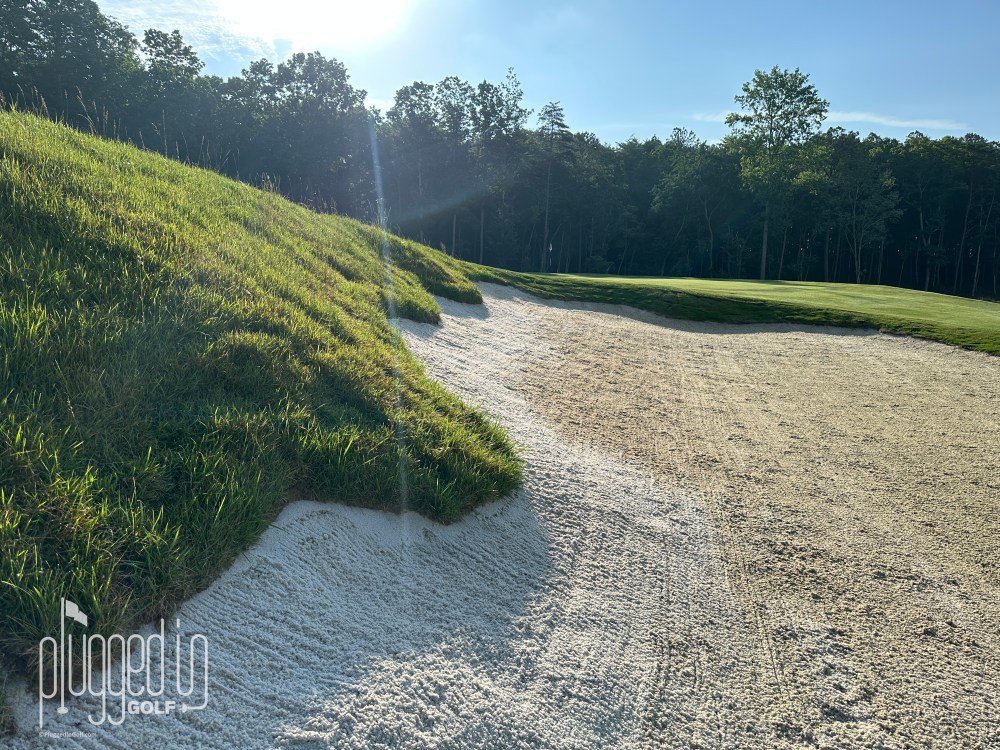
Finally, sand is prevalent around the greens at The Keep golf course, but it’s hardly the defining feature. The bunkers are never hidden, so they’re easily avoided. While there are exceptions, most of the bunkers are shallow or of average depth, so you don’t need exceptional sand skills to splash the ball onto the green. [Learn More / Plan Trip]
Overall Design
On the McLemore website, there’s a long list of goals that architects Bill Bergin and Rees Jones sought to achieve with The Keep golf course. They achieved many of them, including the ones I would argue are most important. This is a course that’s fun for high handicap players but also challenging for skilled players. In its current condition, you shouldn’t lose many balls, but you won’t make birdies without a healthy application of skill. It’s a course that’s fun, playable, and open with enough challenge to be your regular track. [Learn More / Plan Trip]
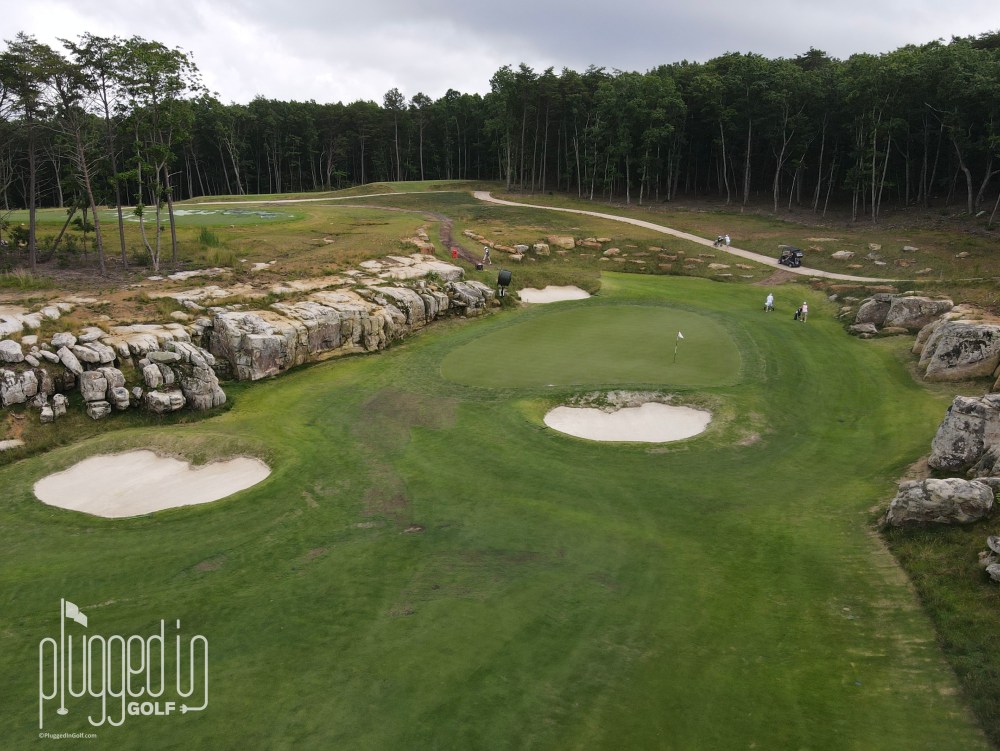
The one statement I don’t agree with is that this is strategic course with a lot of optionality. A few holes – primarily the ones noted below – offer an interesting choice off the tee. And yes, the large greens allow for different options with course set up, so it can change from day to day. However, for any given round, The Keep golf course puts everything right in front of you – what you see is what you get. It’s not overly prescriptive, but it’s not a blank page.
Favorite Holes
#2 – Par 5 – 518 Yards
The Keep golf course gets off to a very strong start: the first hole is the toughest on the course and was in contention for a spot on this list. That’s followed by this par 5 which has one of the tougher tee shots on the course. Golfers choose from hitting to the left or right fairway: left demands an accurate drive, right requires good distance control. From there, it’s an uphill tee shot to a mid-sized green where long or left are the preferred misses.
#5 – Par 4 – 365 Yards
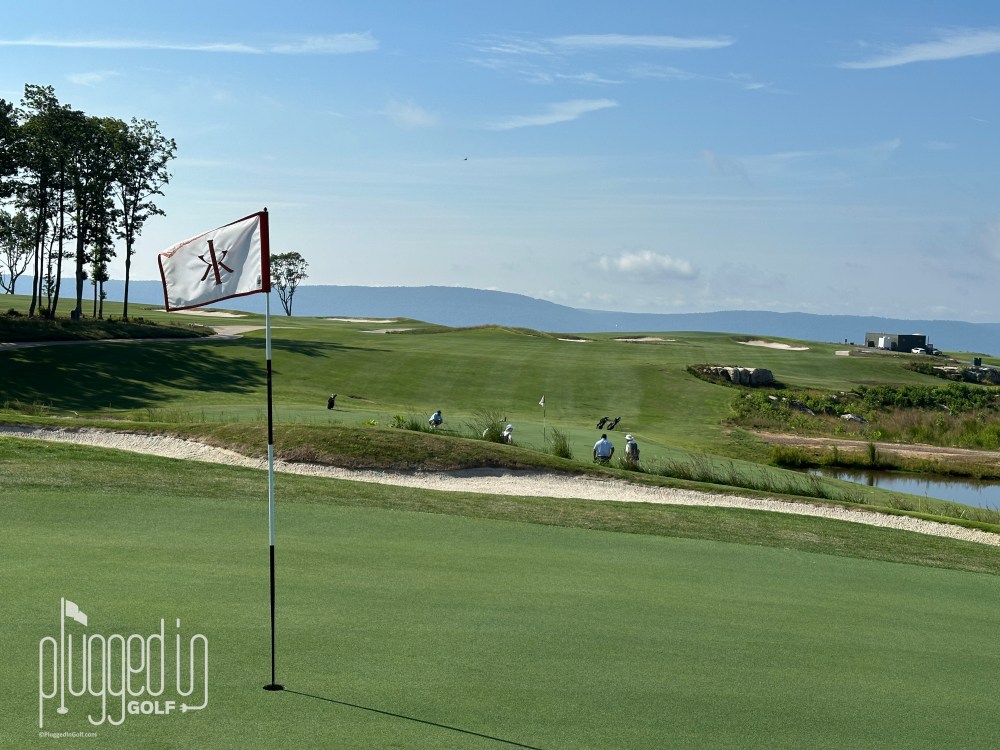
This is another hole highlighted by an interesting choice off the tee. A cape-style hole, you can choose to hit anything from a mid iron to driver off this tee. After playing it three times, our group learned that there’s only a modest benefit to trying to stretch yourself off the tee. Regardless of which club you choose, you can’t swing wildly: a bunker and a copse of trees protects the “back” of the fairway. I made an adventurous par from there in my first go round.
#6 – Par 4 – 312 Yards
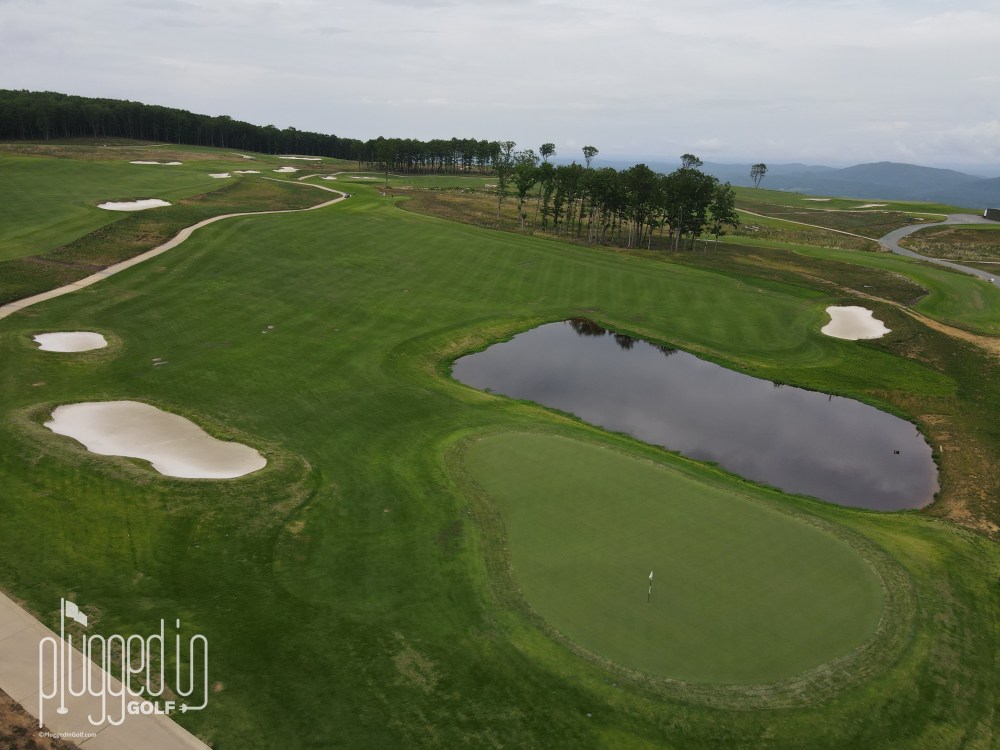
From the tee, you’re staring at a Y-shaped fairway that straddles a small pond and one of the smallest greens at The Keep golf course. Three options present themselves: playing short of the water for the safest tee shot, playing left of the water for the most forgiving approach shot, or playing directly to the green – even trying to drive it – for the shortest approach. No matter your choice off the tee, your second needs to be precise to earn a birdie.
Conclusion
The Keep golf course offers players unforgettable views and a fun, modern style of golf. While it can be fairly forgiving off the tee, the Tour-caliber greens present a challenge to even highly skilled putters. A prime time round with a caddie can cost nearly $500, so this is unlikely to be your regular track, but guests of McLemore Resort should carve out time for at least one loop.
Book Your Trip to McLemore HERE

He founded Plugged In Golf in 2013 with the goal of helping all golfers play better and enjoy the game more.
Matt lives in the northwest suburbs of Chicago with his wife and two daughters.
- Foresight GC2 Launch Monitor Review - October 20, 2026
- Aldila Rogue ∞ CB Shaft Review - October 20, 2026
- Macro Golf SquareStroke Shaft-Handle Review - October 19, 2026