50 Words or Less
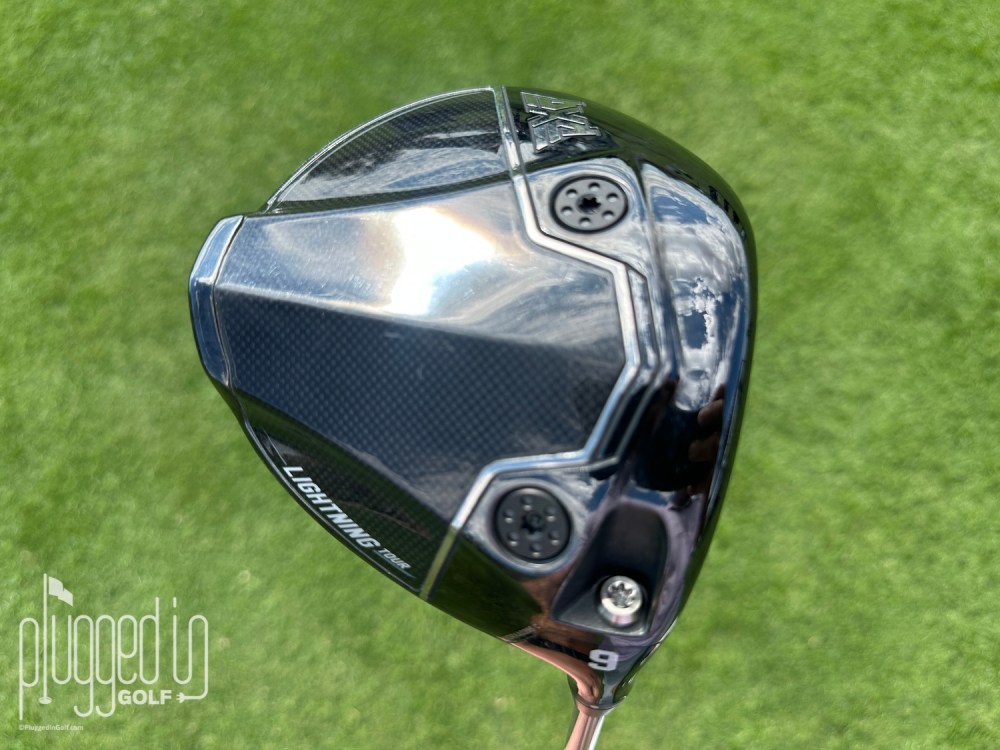
The PXG Lightning Tour driver is a monster for skilled, high speed players. Excellent ball speed. Highly workable. Low spin. Surprisingly forgiving for a Tour-style driver.
Introduction
“Tour validation” is very high on the list of what OEMs are looking for when they release new clubs. With twelve in play after just a couple weeks, the PXG Lightning Tour driver got that in a hurry. Thanks to exceptional ball speed and consistent, low spin performance, I think this is a driver you can expect to see a lot on Tour in 2026. I tested one to see how it holds up in the hands of a decidedly non-Tour player.
Looks
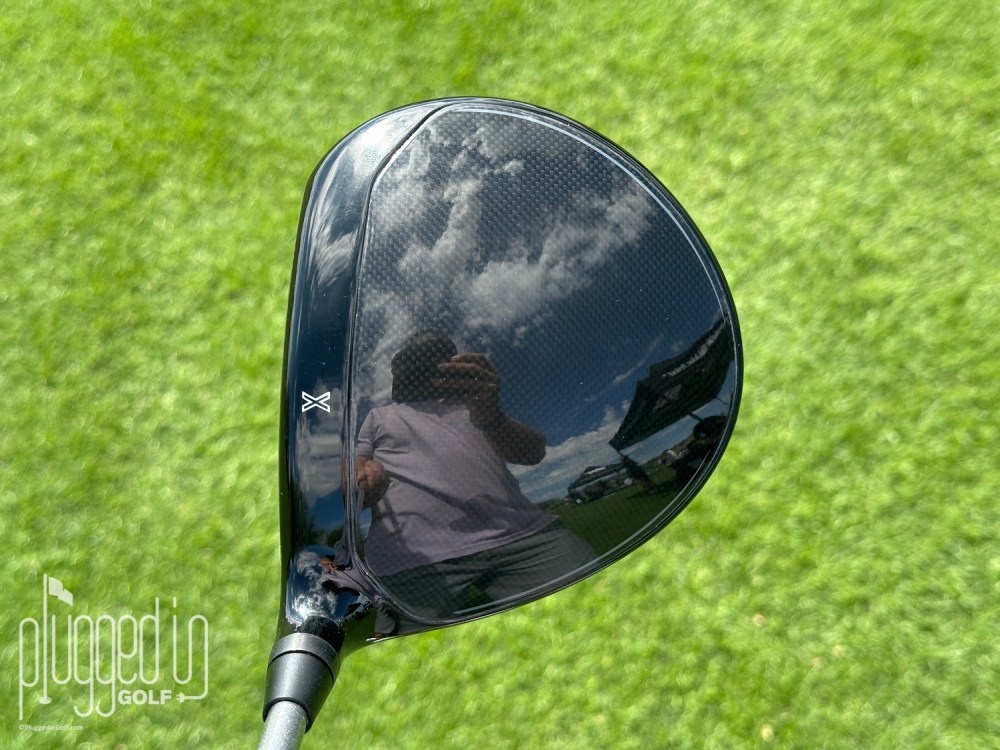
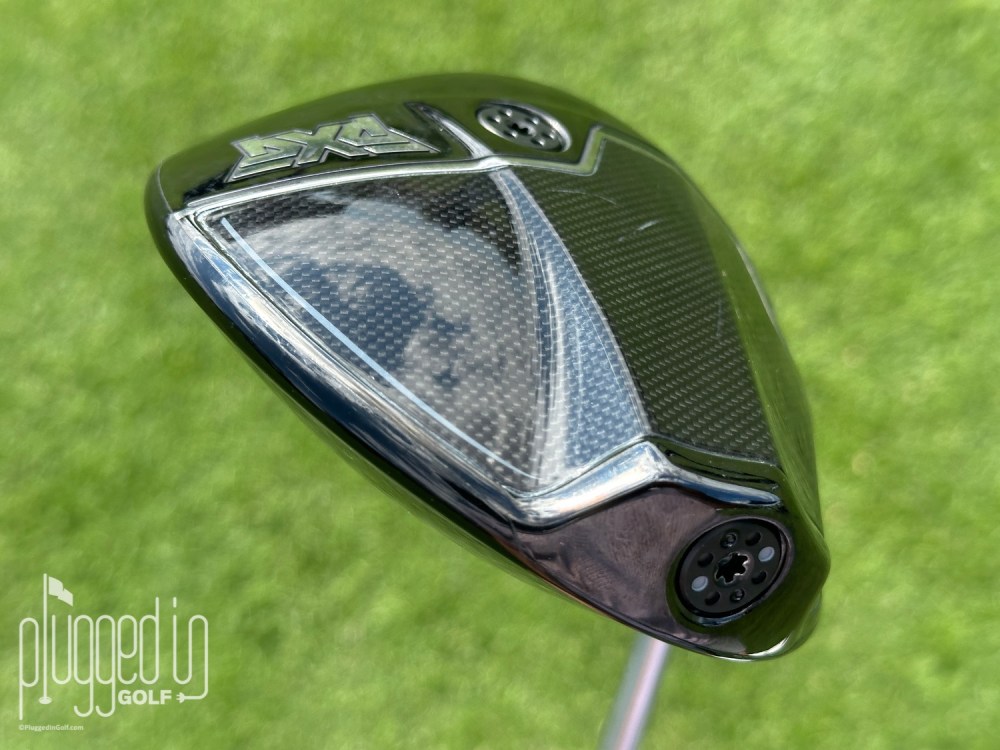
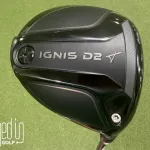
The PXG Lightning Tour driver has the most compact footprint of any of their new drivers. It’s still a 460 cc head, but it has a shorter front to back dimension. This is balanced against a much taller face. For me, the address look is beautiful but borderline intimidating (I’m not afraid to admit that I need forgiveness off the tee).
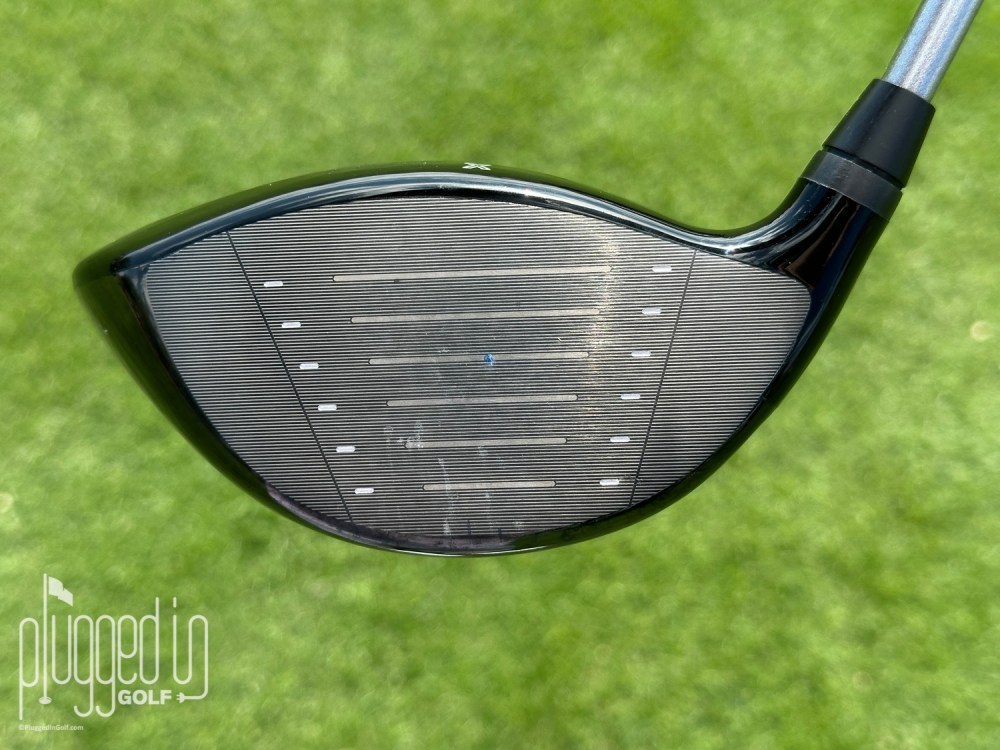
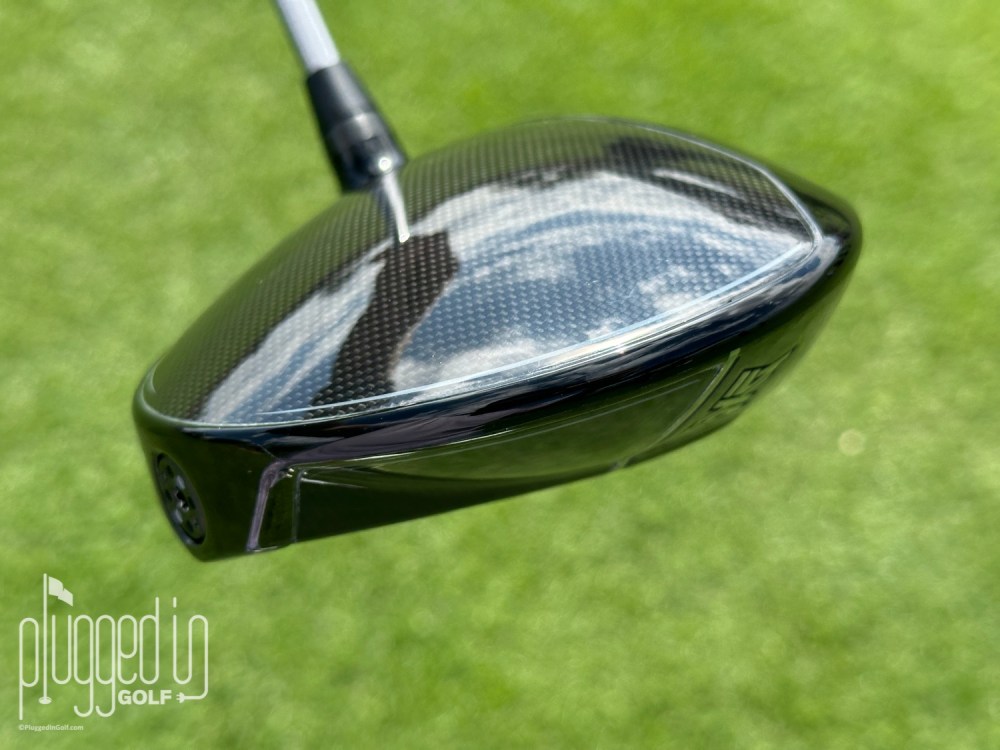
Carried forward from the Black Ops drivers is the gloss black, carbon fiber crown. The graphics on the trailing edge have been dialed down for a cleaner look. Another subtle change is the shape: the Lightning Tour is symmetrical, the Black Ops Tour-1 more pear-shaped. I also like the look of the new etched face.
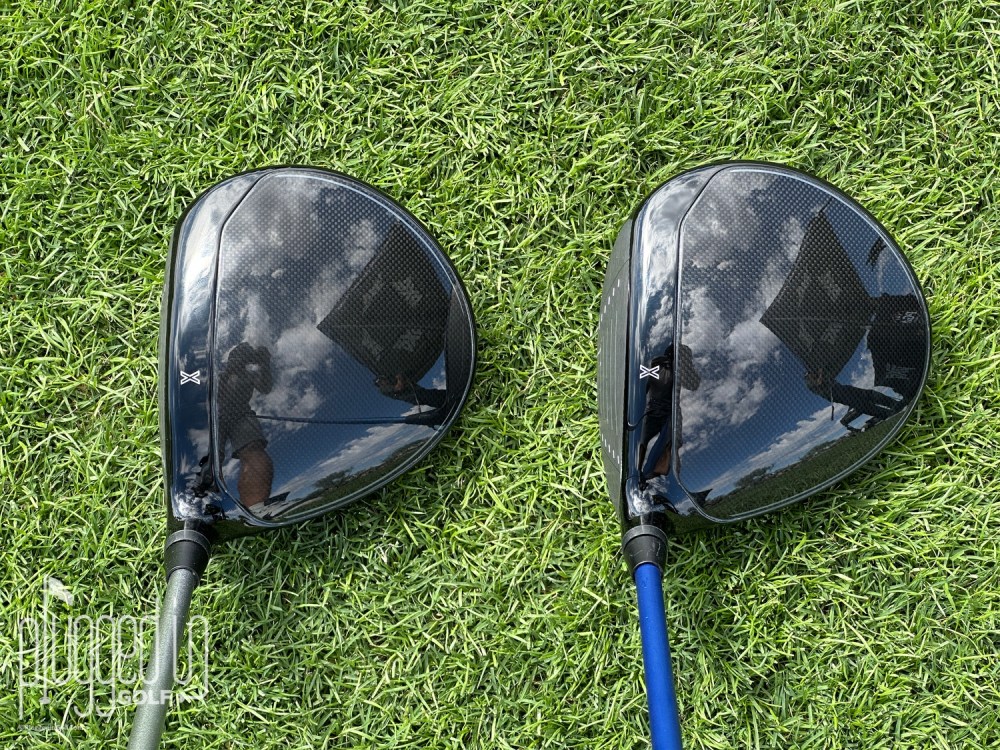
Above, you can see the PXG Lightning Tour driver on the left and the Lightning Tour Mid on the right [review HERE]. To my eye, the Tour has a meaningfully smaller footprint, especially when they’re side by side. The Tour Mid is a great middle ground; the Lightning Tour driver is for those that really want a compact, Tour-style head.
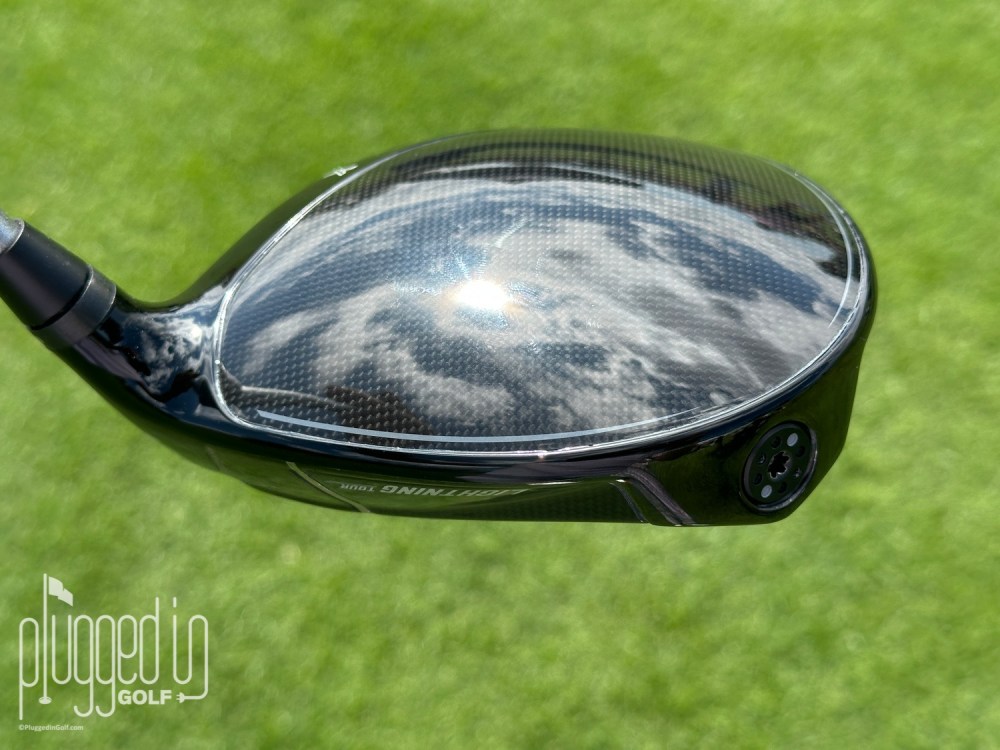
In the bag, the PXG Lightning Tour driver has a very clean look. The sole is almost entirely carbon fiber. The branding is minimal and pushed to the edges of the sole. As with all PXG clubs, the Lightning Tour driver is entirely black, white, and silver
Sound & Feel
PXG did an excellent job creating a consistent impact sensation across all three Lightning drivers. I hit them back to back to back during my fitting, and I walked away wondering if I wasn’t creating differences in my mind that didn’t really exist. I think there are some small distinctions, but this isn’t a situation where I was left pining for the PXG Lightning Tour driver because it felt so much better than my Lightning Max-10K+.
In terms of sound, the Lightning Tour driver produces a punchy “pop” that’s more wooden than metallic. It doesn’t ring out – the sound is gone as quickly as the golf ball is. The sound is average in volume at most, perhaps a bit on the quiet side. Mishits don’t sound bad, but they’re slightly dissonant, providing feedback on strike quality.
As you would expect from a Tour driver, there is ample feedback through the hands. It took no time at all to dial in to what this driver was telling me about my impact locations. The feel is solid across the face, but there’s a greater feeling of speed and power on the center of the face. If there is a notable difference between the PXG Lightning Tour driver and the Max-10K+, it’s that the Tour feels more solid.
Tech Talk
There’s a lot of interesting technology behind the PXG Lightning Tour driver, so we’re going to discuss that separately from what it did on the range and on the course. This section is for the gear nerds. If the tech doesn’t interest you, feel free to skip ahead.
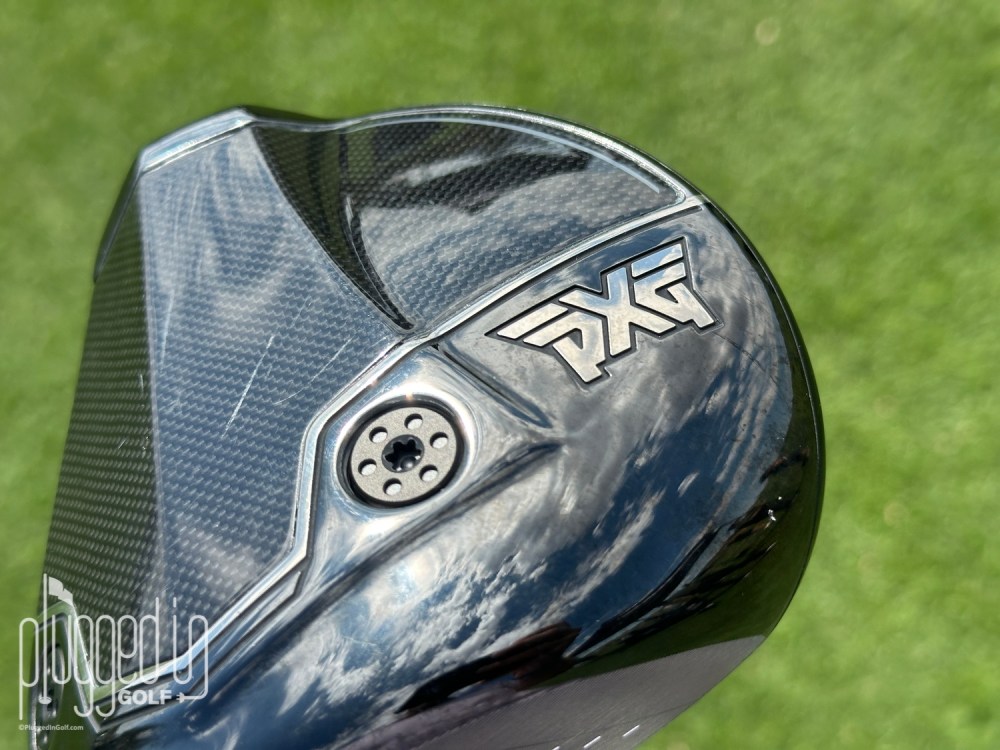
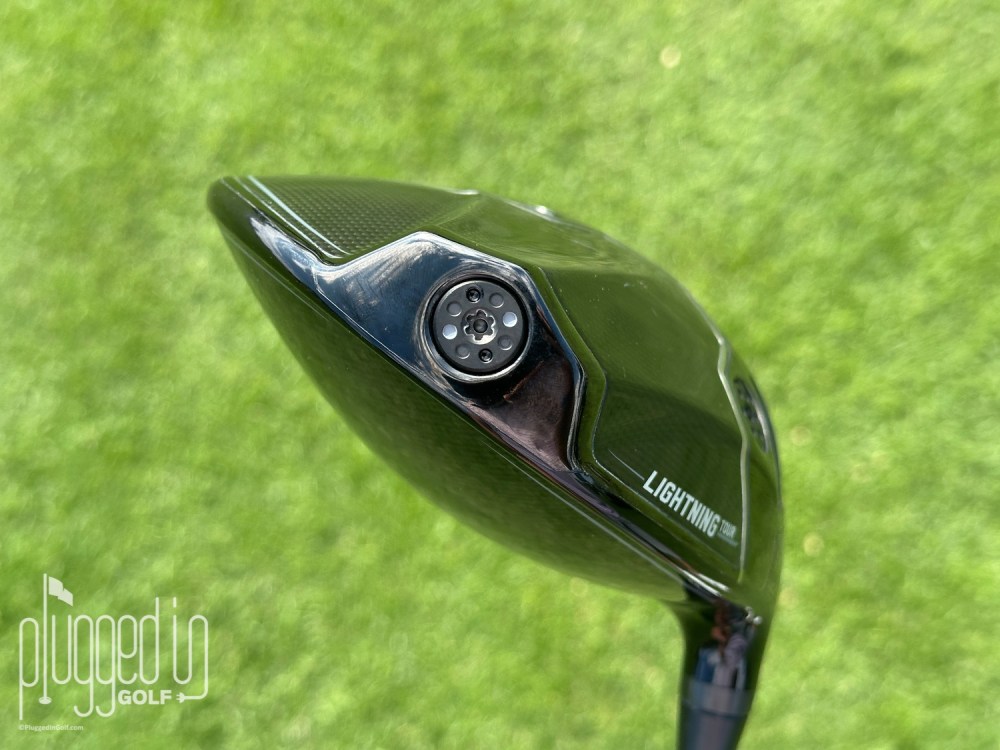
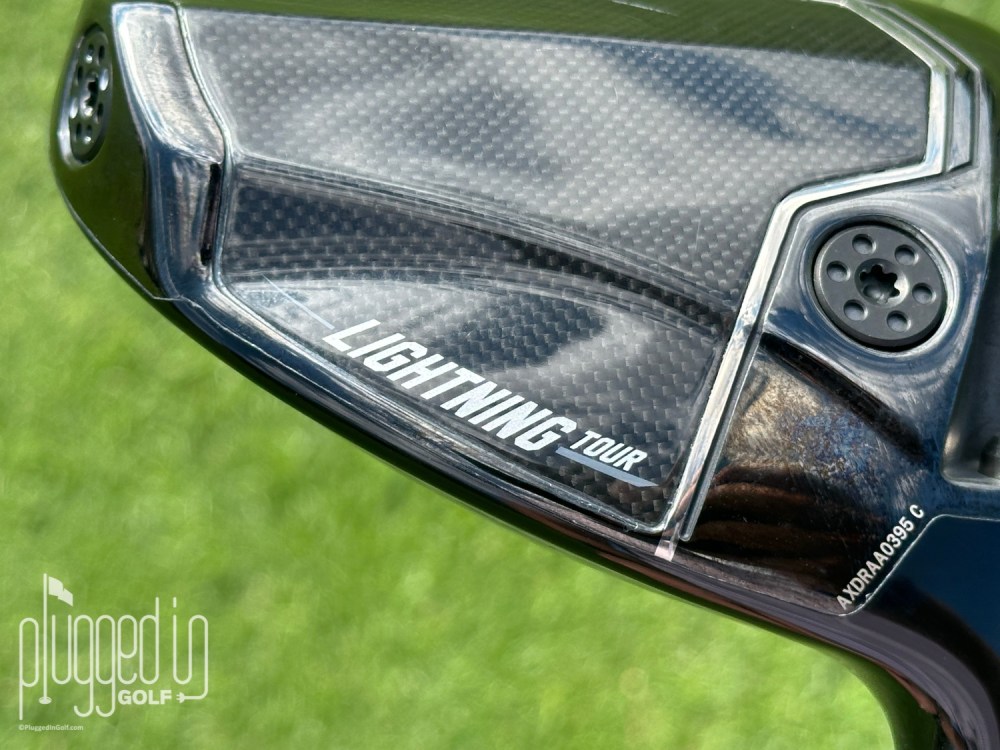
Looking at the Lightning Tour driver, one of the first things you’ll notice is the ridge in the center of the sole, what PXG calls “Spined Sole Design.” This is a key part in the Lightning’s Frequency Tuned Face. We have heard some OEMs talk about frequency before, but it’s always been in the context of dialing in the sound. PXG is using frequency to enhance performance. By tuning the frequency of the head to 4500hz to match the impact interval of the golf ball (how long it’s on the club face), PXG’s engineers have been able to increase face deflection, leading to more ball speed.
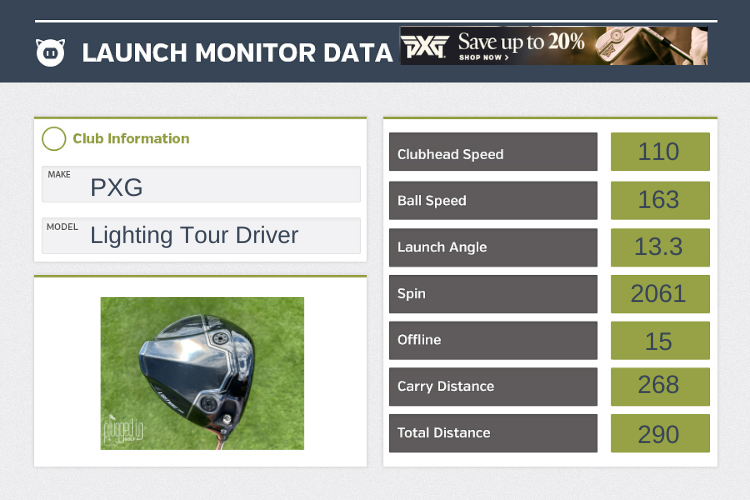
As always, PXG is willing to offer hard data to back their claim. Compared to the Black Ops Tour-1 driver [review HERE], the PXG Lightning Tour driver produces an extra 1.1 MPH of ball speed with a 100 MPH swing and an added 1.4 MPH with a 120 MPH swing.
The other big tech feature is the enhanced forgiveness. Despite being built for high level players, PXG wanted to make the Lightning Tour more playable on mishits. They did this through a larger carbon fiber sole plate – 67% bigger than on the Black Ops Tour-1. This led to a 2% boost in overall MOI and a dispersion that’s almost 10% better than its predecessor.
One final tech note: PXG etched the face of the Lightning drivers. This was done at the behest of PXG’s Tour players to make the face more visible. While looks may have been the driving force, testing showed that the etching also had performance benefits: dispersion area decreased by over 100 square yards in both wet and dry conditions.
Performance
If you’ve read my review of the Lightning Max-10K+ driver [find it HERE], you already know which driver I left Scottsdale with. I want maximum forgiveness off the tee, and that’s what I got from the Max-10K+. That said, I spent a fair amount of time with the PXG Lightning Tour driver, and it definitely made my decision harder than I thought it would be.
The number one thing that makes the Lightning Tour driver appealing is the enhanced ball speed. Tour-style drivers almost always have a more forward CG, and that translates to better performance on centered shots. PXG’s testing shows that the Tour is 1.4 MPH faster than the Max-10K+ with a 100 MPH swing. As a smart golfer who knows the importance of distance, it’s hard to turn down more ball speed.
Of course, the other side of that coin is that the Lightning Tour is less forgiving. For me – a sometimes (ok, often) erratic driver – I need to opt for forgiveness. If you’re routinely flushing it, however, you can take the extra ball speed with no big concerns. As these clubs go, the PXG Lightning Tour driver is surprisingly easy to hit. I hit several bad balls that stayed in play when I expected them to fly off the map.
Another key benefit of the PXG Lightning Tour driver is the piercing ball flight. Per PXG’s data, the Lightning Tour launches about one degree lower and spins about 300 RPM less than the Max-10K+ with a 100 MPH swing. For high speed or high spin players, that will translate to more distance in the air and on the ground. It also means better, more consistent performance in the wind.
Finally, in the same way that blade irons feel more agile and shapeable than big, chunky SGI irons, the PXG Lightning Tour driver invites players to conjure up beautiful shot shapes from the tee. Though it’s still a 460 cc head, the Lightning Tour feels nimble compared to max forgiveness drivers. Even for a player like me who has plenty of humility off the tee, this driver begs you to try bending it around the dogleg or hitting a low screamer underneath the wind.
Conclusion
If you want to get the most out of your speed and skill on the tee box, the PXG Lightning Tour driver is a must-try. With loads of adjustability, elite ball speed, and a piercing ball flight, it’s no surprise that this has seen great adoption on Tour. Get one fit to your swing, and you may start driving it like a pro, too.
Buy the PXG Lightning Tour Driver HERE
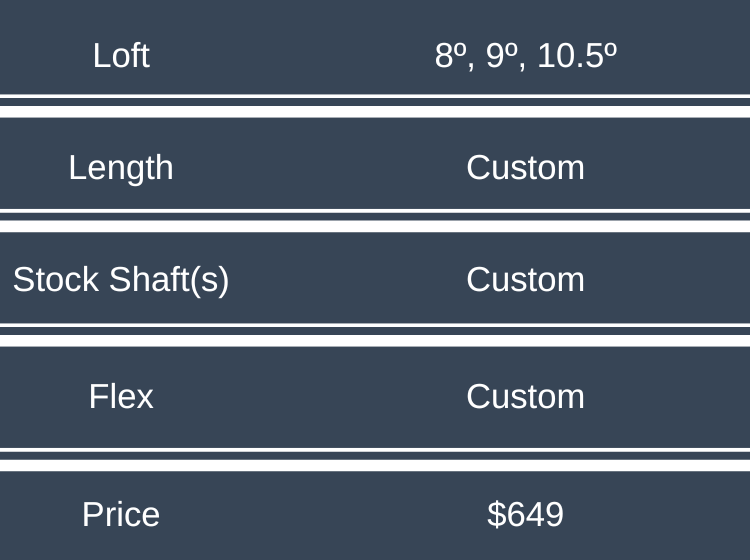
PXG Lightning Tour Driver Price & Specs

He founded Plugged In Golf in 2013 with the goal of helping all golfers play better and enjoy the game more.
Matt lives in the northwest suburbs of Chicago with his wife and two daughters.
- Aldila Rogue ∞ Blue Shaft Review - October 9, 2026
- Avoda Golf W2 Wedge Review - October 8, 2026
- SlackBoard Review - October 7, 2026




Join the Conversation | 10 Comments
Always appreciate your write ups. Just curious, what shaft did you use in testing? I know that shafts need fitting, but just curious if it was a stock option, upcharge, or something else.
Thanks, Fake. :)
I got the best results pairing the Lightning drivers with the Ventus Black – https://pluggedingolf.com/fujikura-2024-ventus-black-shaft-review/
Best,
Matt
PXG , looks like a Callaway crown, a TM, and Cobra sole.
Just like Taylormade there new head looks like a Cobra Aero Jet. Just nothing to see so far this year .
What clubhead speed difference did you see between the 10K vs the tour?
Which one would you game , the 10K or the tour?
Andrew,
I was 1 MPH faster with the 10K, but I wouldn’t read anything into that.
As I stated in the review, I want maximum forgiveness off the tee, so I opted for the 10K.
-Matt
I briefly had the chance to hit the Tour head with a GD VF 6s shaft and wasn’t impressed with the sound and feel of the club. Results down-range were good but couldn’t get myself off the fact that I love the sound/feel of my GT2 & Ventus Black TR 6s.
Todd,
One of the many reasons why everyone needs to hit clubs for themselves: sound and feel are entirely subjective. There are so many good clubs that there’s rarely a reason to play a club you don’t enjoy hitting.
Best,
Matt
Can you go back in time to compare the Lightning Tour Mid to a Gen5 0311?
Thanks,
-Dennis
Dennis,
If I had a time machine, that’s not what I’d be using it for. :)
Here’s Dylan’s review of GEN5: https://pluggedingolf.com/pxg-0311-gen5-driver-review/
Best,
Matt
I smile when I read that you were a bit intimidated by the smaller size of this driver head, despite it being 460cc. Like many of us older readers, I played when drivers went from wooden heads to the first metalwood heads. You’d really find those intimidating. The metal heads were actually smaller than the wood heads at first. The later to come Big Bertha seemed so big at the time, :)