
50 Words or Less
The PXG Lightning Tour fairway wood is extremely versatile. Exceptional high end performance. Notably less forgiving than the standard model, particularly with regard to launch angle. Fewer weighting options than the standard but still highly adjustable.
Introduction
Golfers tend to view fairway woods in one of two ways. The first perspective, which I share, is that it’s a club to be used occasionally, when the situation is perfect or you’re throwing caution to the wind. The other view is that the fairway wood is a tool to be used as often as possible, one that can make every situation better. If you fall in that latter camp, the PXG Lightning Tour fairway wood may be the kind of versatile, high performance stick that you’re looking for.
Looks
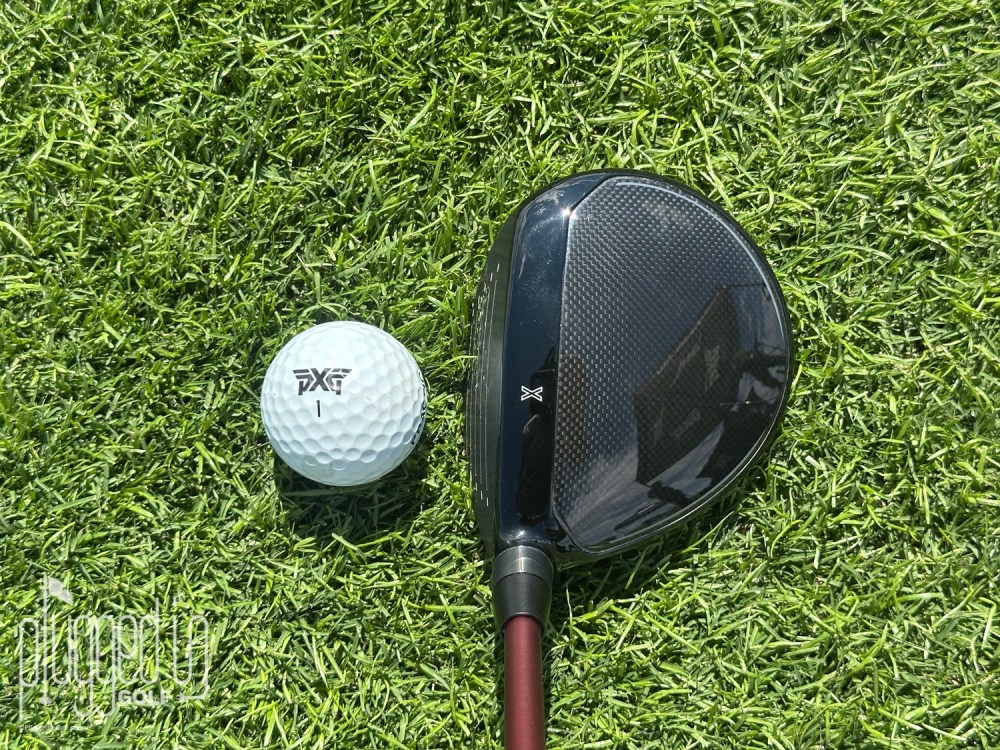
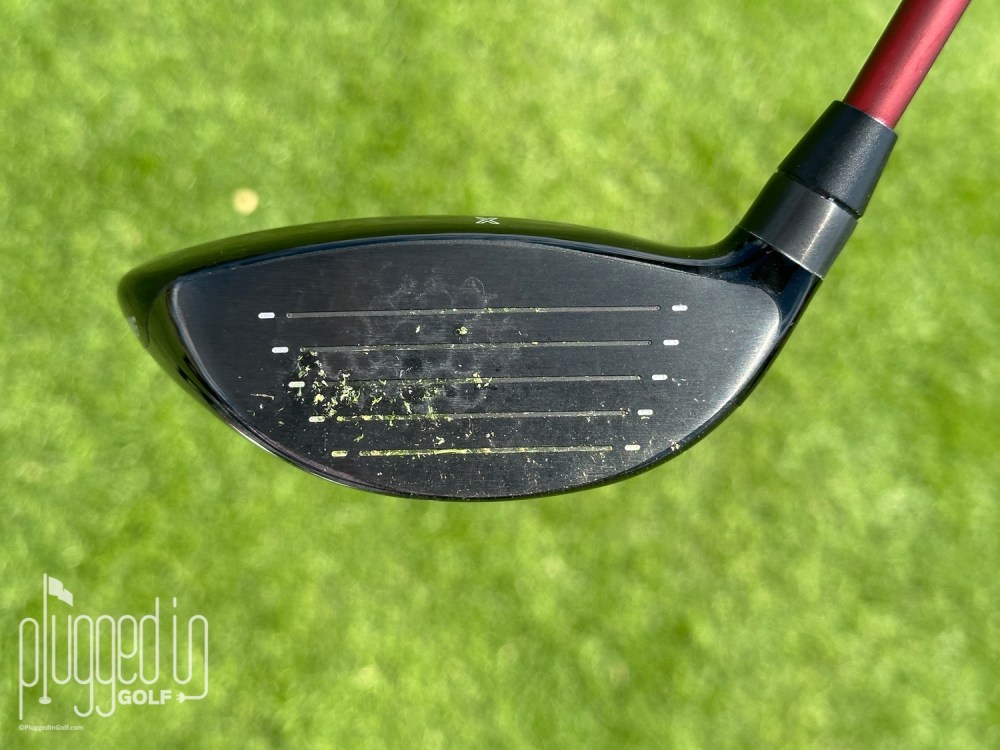
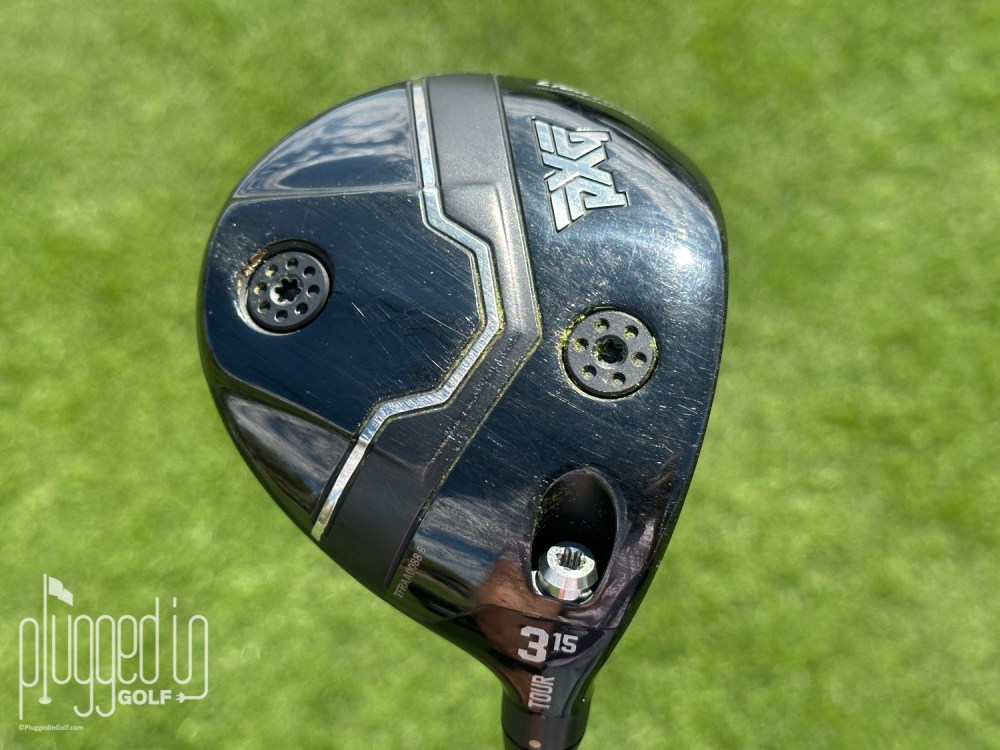
As you would expect, the PXG Lightning Tour fairway wood has a compact footprint at address. Symmetrical and shorter from front to back, this is the model that better players will be naturally drawn to. Even as a player who does not have tremendous confidence with their fairway woods, I couldn’t escape the visual appeal of this club.
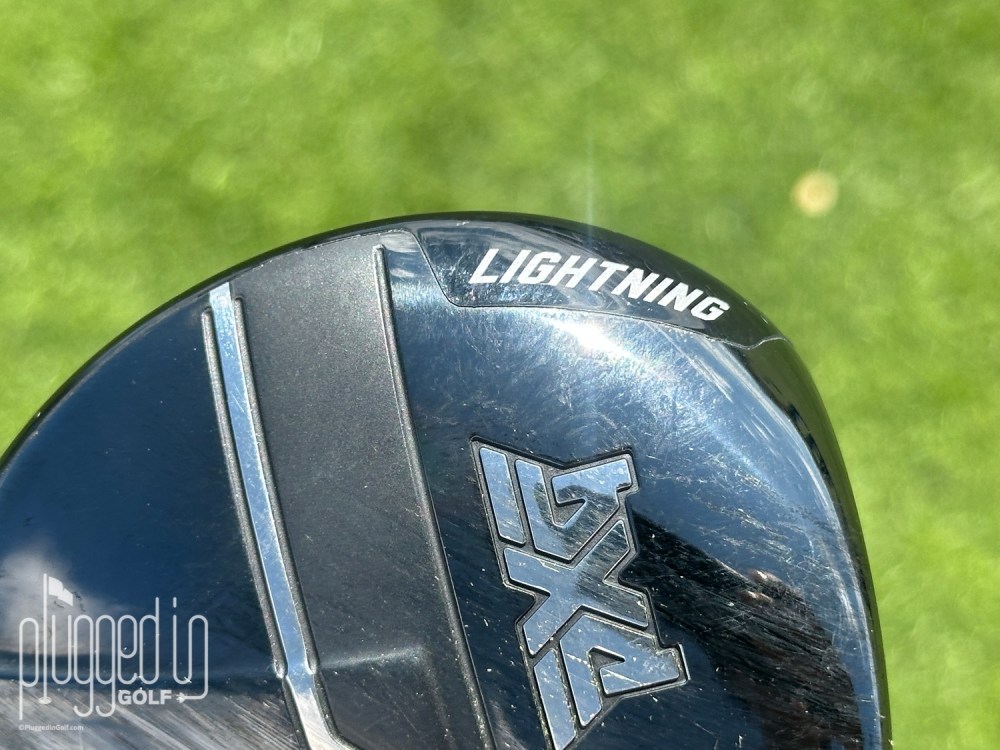
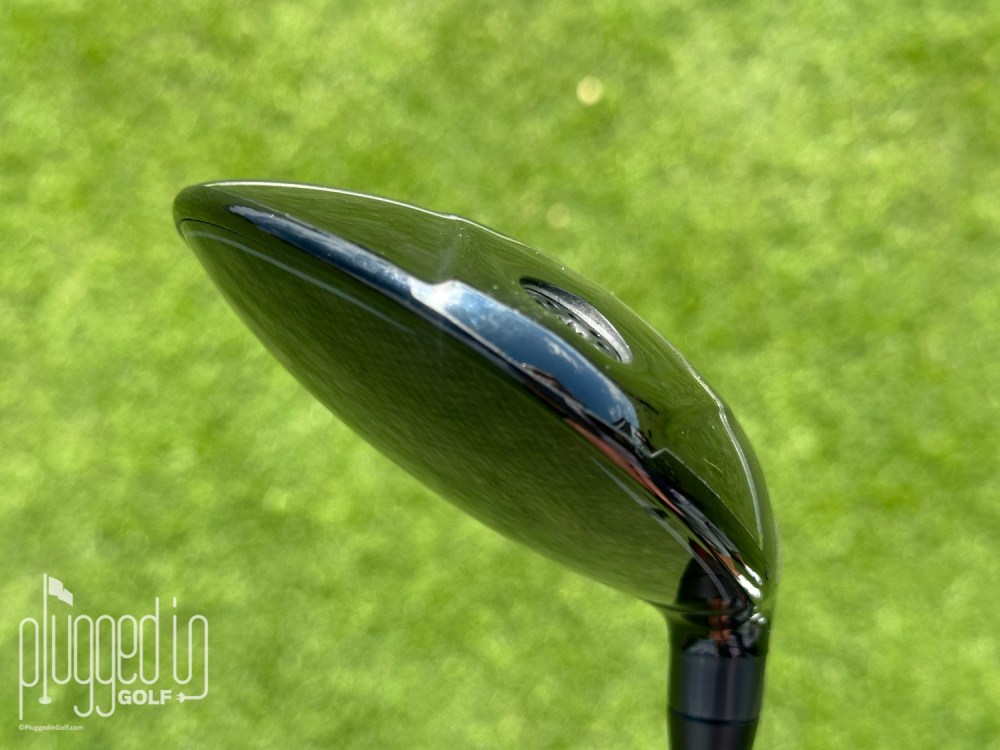
By modern standards, the Lightning Tour FW has a very understated aesthetic. The gloss black crown has almost no graphics and a simple “X” alignment aid. Flipping the club over, you’ll find PXG branding toward the toe, leaving the focus on the two movable weights. As always, PXG has limited the color palette to black, white, and silver.
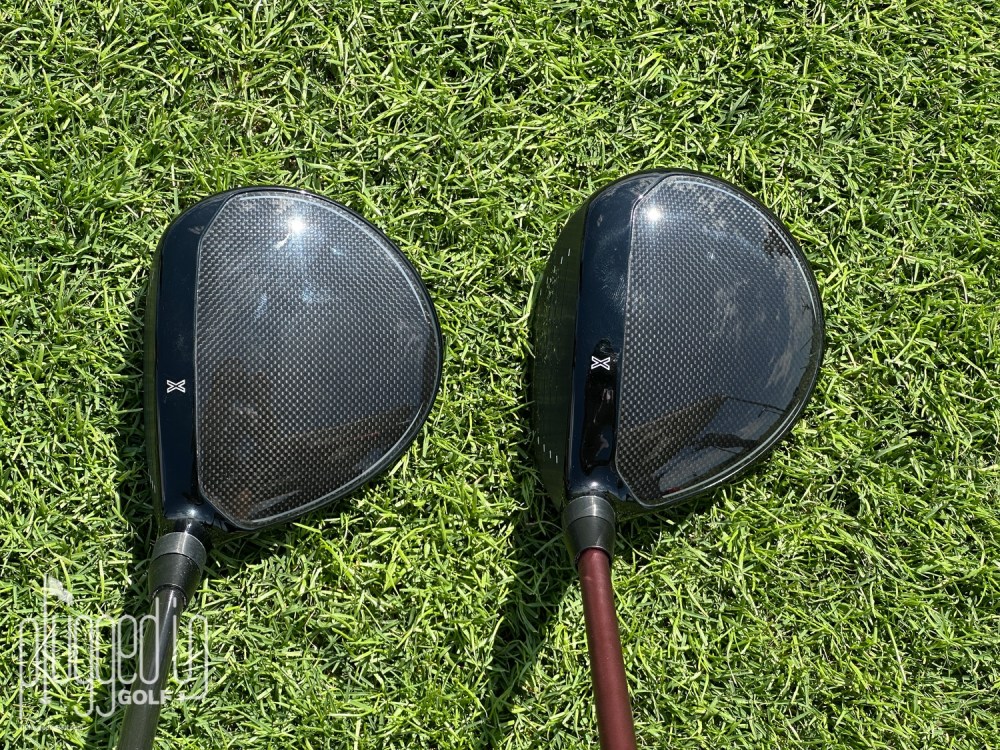
Above, you can see the PXG Lightning Tour fairway wood on the right, the standard version on the left. Though it’s not wildly smaller in any one dimension, the overall impression is that the Lightning Tour is a mini version of the standard (or the standard is a supersized Tour). The most important difference – which I’ll discuss in detail later – is the shape of the two faces. The standard Lightning fairway wood has a squared face, the Lightning Tour has a substantially rounded face.
Sound & Feel
I noted in my reviews of the Lightning drivers [find them HERE] that PXG did an excellent job keeping the sound and feel consistent across the three models. The same is true with the fairway woods. Like its brother, the PXG Lightning Tour fairway wood has a mid-low pitched impact sound that’s below average in volume. The sound is closest to a “pop,” without any of the metallic notes you usually get from a fairway wood.
If there’s a difference between the impact sensation of the two fairway woods, it’s that the Lightning Tour leans even more into the solid feel. The hit is still satisfying and powerful, but it’s more traditional which marries well with the sound of impact. Both your hands and ears will get clear feedback on strike quality.
Performance
One of the major changes from the Black Ops fairway wood [review HERE] to Lightning’s two models is the introduction of two very different face shapes. The standard Lightning FW has a square face, the PXG Lightning Tour fairway wood has very round face. This is in contrast to Black Ops which had only one option with a balanced, oval face shape.
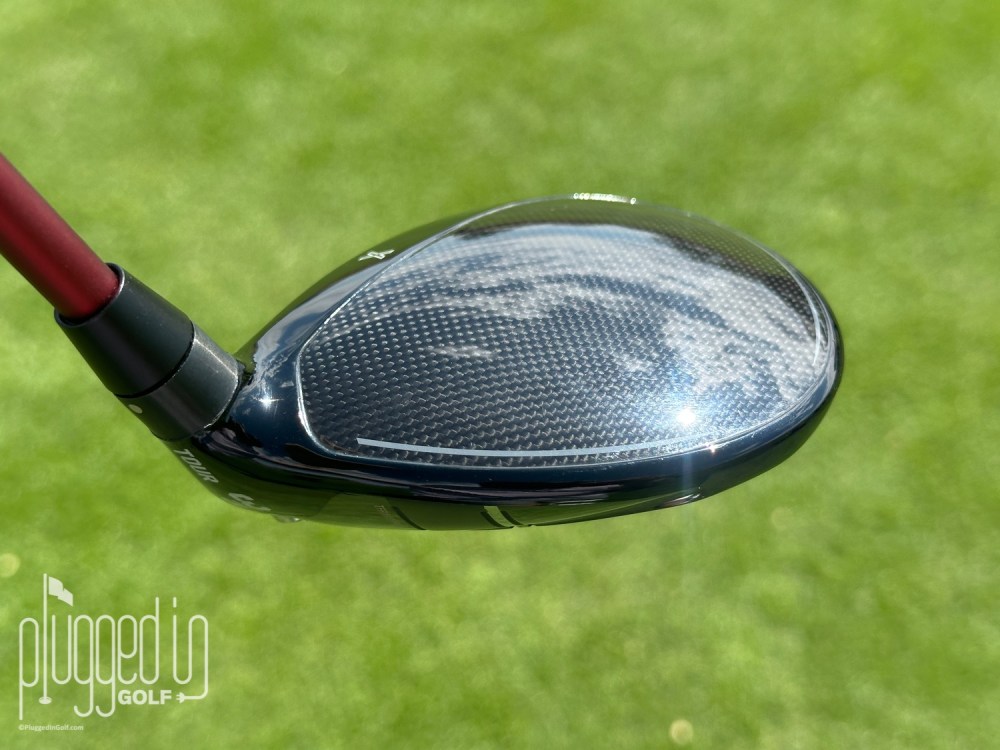
In my review of the standard Lightning FW [find it HERE], I explained that the primary benefit of the square face is having both a low CG and a higher MOI. That might leave you wondering, “Why would anyone want a rounded face?” The answer is versatility. Personally, I’m only hitting a fairway wood off a premium lie. More skilled players, however, want to dig their fairway wood out of the rough, hit it from a divot, or just feel less resistance from the turf. For those players, the rounded face and sole makes all the difference.
Additionally, the “costs” of the rounded face don’t matter to the low handicapper. They don’t need the higher MOI provided by the square face, and they may prefer the lower trajectory that the higher CG creates.
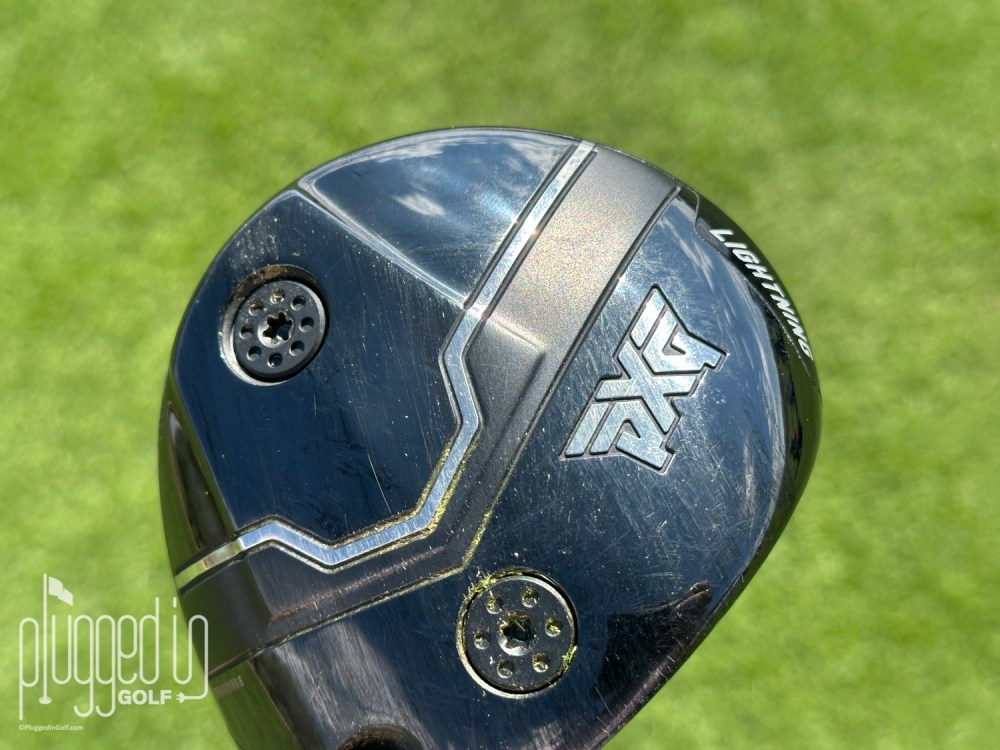
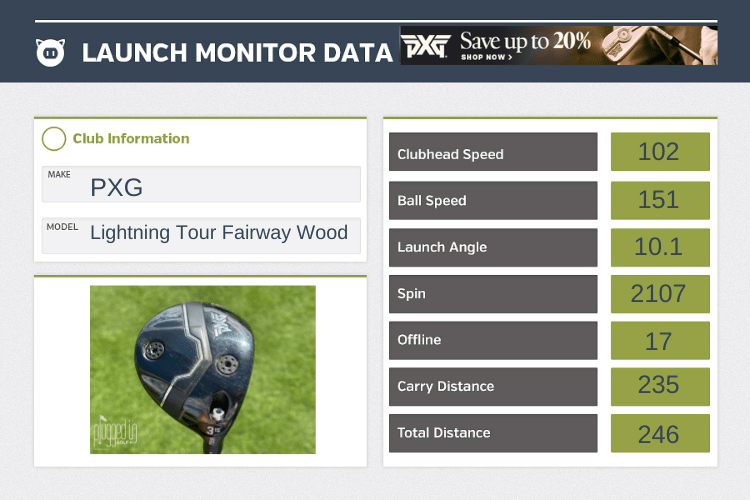
In my testing, the PXG Lightning Tour fairway wood delivered the high end performance and versatility that it promises. On my best swings, the ball speed was very high and the trajectory was gorgeous – strong and piercing. The smaller clubhead also feels more nimble, making shot shaping feel easier. The drawback, of course, is that the Lightning Tour is lower launching and less forgiving. It does a very good job retaining ball speed on mishits, but that’s of limited value when my poor swings are launching just a few degrees off the ground.
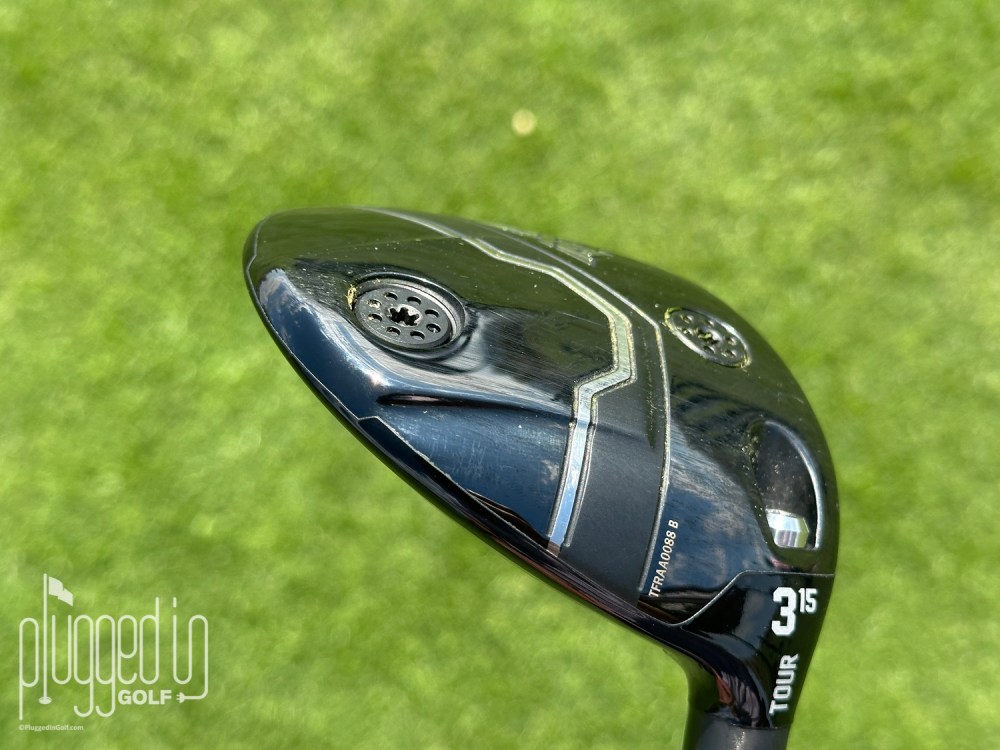
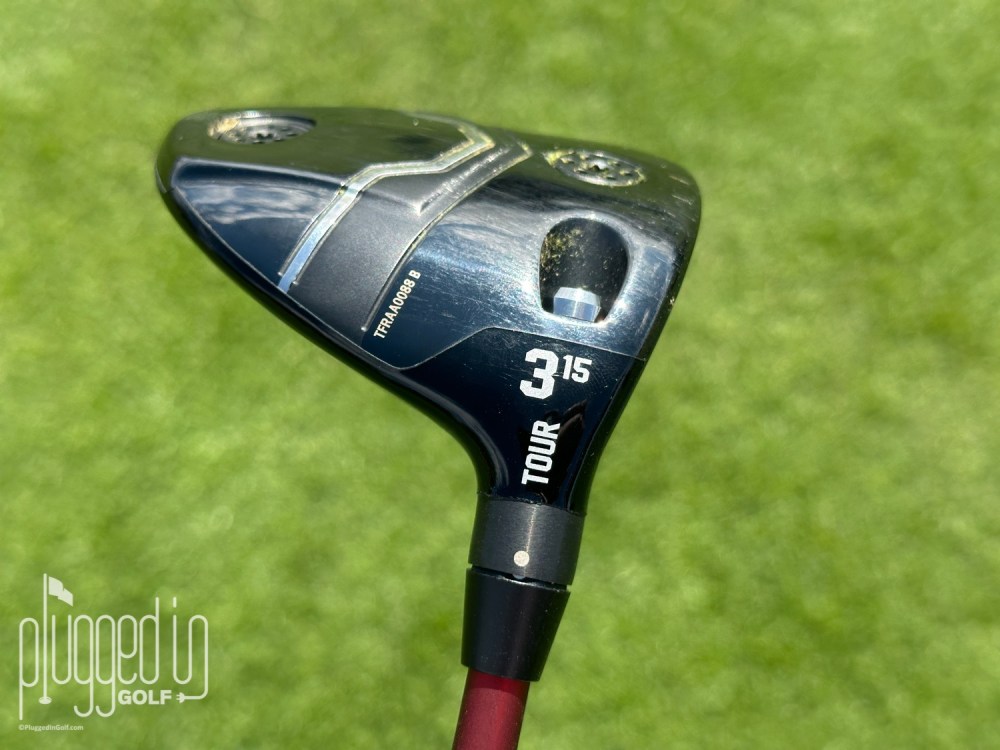
Finally, the other key difference between the two Lightning fairway woods is their adjustability. Where the standard model has three weight ports – toe, heel, and rear – the PXG Lightning Tour fairway wood has just two – front and back. The Lightning Tour FW comes stock with 12.5 and 2.5 gram weights, allowing you to make a noticeable change in the launch, spin, and stability of the head, but you can’t bias toward a draw or fade. Weights as heavy as 20 grams are available for those that want to access even more extreme performance. Both models share the same hosel which allows for loft, lie, and face angle adjustments.
Conclusion
For the skilled long game player, the PXG Lightning Tour fairway wood is a brilliant club. With elite peak ball speed and the ability to excel in a variety of situations, it’s a club that you’ll be reaching for multiple times per round.
Buy the PXG Lightning Tour Fairway Wood HERE
PXG Lightning Tour Fairway Wood Price & Specs


He founded Plugged In Golf in 2013 with the goal of helping all golfers play better and enjoy the game more.
Matt lives in the northwest suburbs of Chicago with his wife and two daughters.
- Graphite Design Tour AD EK Shaft Review - September 2, 2026
- Tanso Golf 249-MB Irons Review - September 2, 2026
- HeyBike Hybrid E-Bike Review - September 1, 2026



3 Comments
Great review Matt ! I think for me the standard Lightening FW will be the ticket. Can’t wait to hit them in a fitting soon.
Happy New Year ! You do a wonderful job ! My favorite of all !!!
Hi Matt. Given the ‘standard’ model has greater draw and fade adjustability, did you feel the ‘standard’ model with heavy weight in the toe or the ‘Tour’ model was more fade biased? Thanks, mab
Mab,
I think in a more extreme setting, the standard can be more fade biased.
Best,
Matt